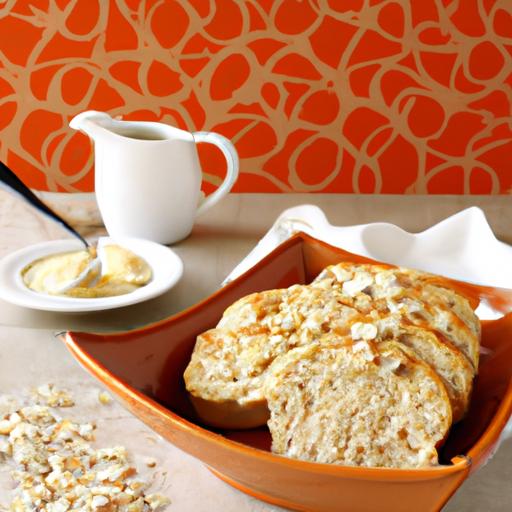

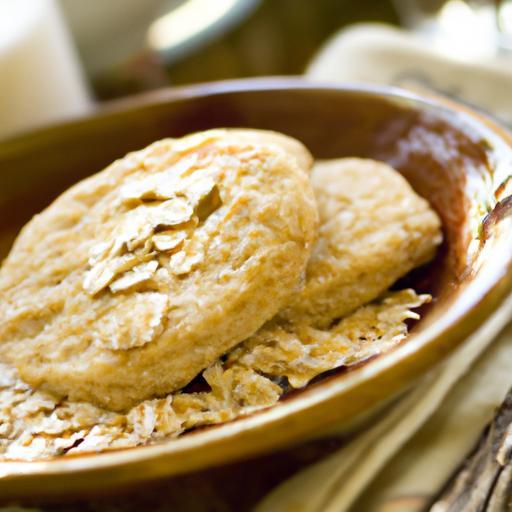
in the realm of wholesome baking, oat flour has quietly risen from humble origins to claim its rightful place as a kitchen superstar. Beyond its subtle, nutty flavor and delightful texture, oat flour offers a nourishing boost to your favorite recipes, turning ordinary treats into wholesome wonders. Whether you’re a seasoned baker or a curious culinary explorer, discovering delicious recipes that showcase oat flour opens a gateway to creating comforting, nutrient-packed delights that everyone can enjoy. Join us as we dive into the world of oat flour and uncover the magic of baking with this versatile, naturally gluten-free ingredient.
Exploring the Nutritional Benefits of Oat flour for Everyday Cooking
Wholesome Wonders: Delicious Recipes Using Oat Flour unlock a world of nutrition and flavor that elevate everyday meals. Oat flour, derived from finely ground whole oats, is a powerhouse ingredient rich in soluble fiber, particularly beta-glucan, which supports heart health and aids digestion. Its naturally gluten-free nature (when certified) and gentle nutty aroma make it an ideal choice for those seeking wholesome, nutrient-dense alternatives to traditional flours.
Using oat flour daily boosts your intake of vitamins like B-complex and minerals such as manganese and phosphorus, essential for energy metabolism and bone health. Plus, its low glycemic index helps stabilize blood sugar levels, adding a nourishing dimension to your cooking repertoire. Whether baked into morning muffins or folded into savory pancakes, oat flour enhances texture and adds a subtle, comforting flavor.
Prep and Cook Time
- Planning: 15 minutes
- Cooking: 25 minutes
- Total Time: 40 minutes
Yield
Serves 6 generous portions
Difficulty Level
Easy – Perfect for bakers and cooks of all skill levels aiming to explore oat flour’s versatility.
Ingredients
- 1 ½ cups oat flour, finely sifted
- 1 teaspoon baking powder
- ½ teaspoon baking soda
- ½ teaspoon sea salt
- 2 tablespoons coconut sugar (or brown sugar)
- 1 large egg, room temperature
- 1 cup buttermilk (or dairy-free milk with 1 tbsp vinegar)
- 3 tablespoons melted coconut oil (plus extra for greasing)
- 1 teaspoon pure vanilla extract
Instructions
- Preheat your oven to 350°F (175°C) and lightly grease a 9-inch round cake pan with coconut oil.
- In a medium bowl, whisk together oat flour, baking powder, baking soda, salt, and coconut sugar until evenly combined.
- in a separate large bowl, beat the egg with buttermilk, melted coconut oil, and vanilla extract until smooth and slightly frothy.
- Gradually fold the dry ingredients into the wet mixture with a spatula, stirring gently to retain air-avoid overmixing to prevent a dense texture.
- Pour batter into the prepared pan, smoothing the top with a spatula for an even bake.
- Bake for 22-25 minutes,or until a toothpick inserted in the center comes out clean and the edges turn a light golden brown.
- Cool in the pan for 10 minutes, than transfer to a wire rack to cool completely before slicing.
Tips for Success
- Achieve Fluffy Texture: Sifting oat flour removes clumps and aerates the flour for lighter bakes.
- Moisture Matters: oat flour absorbs more liquid than wheat flour – adjusting wet ingredients slightly can help maintain softness.
- Boost Binding: Add 1 teaspoon of ground flaxseed mixed with 3 tablespoons of water for extra structure if baking vegan.
- Storage: Keep oat flour in an airtight container in a cool,dry place or refrigerate for longer shelf life.
- Substitutions: Rolled oats can be blended finely as a last-minute oat flour replacement.
Serving Suggestions
This subtly sweet oat flour cake pairs beautifully with fresh berries and a dollop of whipped coconut cream. For a rustic, savory twist, serve warm slices topped with creamy herb ricotta and honey drizzle. Garnish with toasted oat flakes or a sprinkle of cinnamon to heighten the oat’s natural aroma and invite a comforting sensory experience.

| Nutrient | Per Serving |
|---|---|
| Calories | 210 kcal |
| Protein | 5 g |
| Carbohydrates | 30 g |
| Fat | 7 g |
| Fiber | 4 g |
Discover more creative ways to incorporate oat flour into your kitchen by exploring our Gluten-Free Sourdough Bread recipe. For further insight on oat flour’s health benefits, check out this informative article from the Healthline Nutrition Guide.


Q&A
Q&A: Wholesome Wonders – Delicious Recipes Using Oat Flour
Q1: What makes oat flour a “wholesome wonder” in baking and cooking?
A1: Oat flour is celebrated for its natural goodness, offering a mild, slightly sweet flavor and a tender texture to recipes. It’s packed with fiber, particularly beta-glucan, which supports heart health and digestion. Plus, it’s naturally gluten-free when made from certified gluten-free oats, making it a fantastic choice for those with sensitivities. Its versatility allows for creating everything from muffins to pancakes with a nutrient-rich twist.
Q2: How can I substitute oat flour for regular flour in my favorite recipes?
A2: Oat flour can replace all or part of all-purpose flour, but as it lacks gluten, it frequently enough works best when combined with other flours or with additional binding agents like eggs, flaxseeds, or chia seeds. For a one-to-one swap, especially in speedy breads or pancakes, start with 25-50% oat flour and experiment with ratios to find the perfect texture for your taste.
Q3: What are some delicious breakfast ideas using oat flour?
A3: Breakfast shines with oat flour! Try fluffy oat flour pancakes drizzled with honey and fresh berries, or oat flour banana muffins for a grab-and-go treat. You can also blend oat flour into smoothie bowls or use it to fortify homemade granola bars-wholesome energy to jumpstart your day.
Q4: Can oat flour be used in savory dishes as well?
A4: Absolutely! Oat flour’s subtle flavor can complement savory recipes beautifully. Use it to thicken soups and stews, coat vegetables for a crispy bake, or mix into veggie burger patties for a heartier texture. It’s also fantastic in savory pancakes or flatbreads paired with herbs and spices.
Q5: Are there any tips to keep oat flour baked goods moist and tender?
A5: Since oat flour doesn’t contain gluten,moisture retention is key to keep treats from becoming crumbly. Incorporate ingredients like yogurt, applesauce, mashed bananas, or a bit of oil to maintain softness. Baking at slightly lower temperatures and avoiding overmixing will also help preserve that tender crumb.Q6: Where can I find or how can I make oat flour at home?
A6: Oat flour is typically available at health food stores or well-stocked grocery aisles. To make your own, simply blitz rolled oats in a high-speed blender or food processor until you achieve a fine, powdery consistency.Homemade oat flour is freshest when used within a couple of weeks or stored airtight in the freezer.
Q7: How does oat flour affect the nutrition profile of my recipes?
A7: Incorporating oat flour boosts the fiber content and adds valuable minerals like iron, magnesium, and zinc. its antioxidants and heart-healthy beta-glucan fiber promote lower cholesterol and stable blood sugar levels. This means your baked goods are not only tasty but also nourishing bites of wellness.
Q8: Can oat flour be combined with other flours for diverse baking results?
A8: Yes! Oat flour pairs beautifully with almond flour for extra richness or with rice flour for a lighter texture. Combining flours can balance taste, texture, and nutritional benefits while expanding recipe possibilities-think hearty breads, cookies with a tender crumb, or luscious cakes that are light yet satisfying.
Q9: What are some creative sweet treats I can make using oat flour?
A9: Beyond classics, oat flour inspires creative desserts like oatmeal chocolate chip cookies with a chewy center, lemon-blueberry coffee cake bursting with tangy freshness, or even no-bake energy bites. Its mild flavor acts like a canvas waiting for spices, nuts, or dried fruit to shine.
Q10: Is oat flour suitable for those with food allergies or dietary restrictions?
A10: Oat flour is frequently enough a safe choice for gluten sensitivities when certified gluten-free and is free from common allergens like nuts and soy. however, cross-contamination can occur during processing, so always check labels. It’s also vegan-friendly and fits well into many special diets due to its natural, simple ingredients.
With oat flour’s nourishing profile and incredible versatility, the possibilities really are wholesome wonders-ready to transform your kitchen into a hub of healthful and delicious creations!
insights and Conclusions
As we wrap up our journey thru the comforting world of oat flour, it’s clear that this humble ingredient is much more than just a pantry staple. From tender muffins to hearty pancakes and everything in between, oat flour brings a wholesome twist to your favorite recipes-adding not only subtle, nutty flavor but also a boost of nutrition. Whether you’re gluten-sensitive, seeking a wholesome alternative, or simply eager to experiment in the kitchen, oat flour invites you to bake, cook, and savor with confidence. So next time you reach for that bag of oats, remember: a world of delicious, nourishing possibilities awaits-ready to turn everyday meals into wholesome wonders.