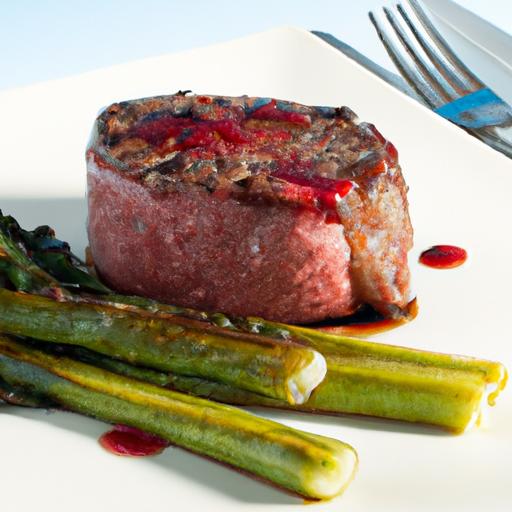
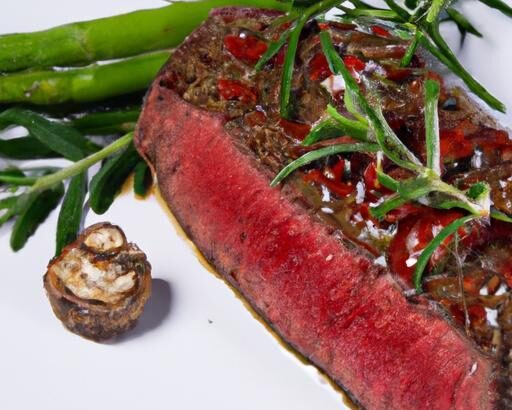
There’s a story woven into every slice of wagyu steak-a narrative of meticulous breeding,time-honored tradition,and an unwavering dedication to perfection. Known as the crown jewel of beef, Wagyu transcends ordinary dining, inviting us into a world where marbling meets artistry and flavor dances with texture. In this exploration of “The Art of Wagyu: Discovering Steak Perfection,” we delve deep into the origins, craftsmanship, and culinary mastery that elevate Wagyu from mere meat to an unforgettable experience. Join us as we uncover what makes this legendary steak the epitome of indulgence for connoisseurs and curious food lovers alike.
The Art of Wagyu unveils a culinary journey into one of the most exquisite and revered steak experiences in the world.Originating from Japan’s rich agricultural heritage, Wagyu beef’s unmatched quality comes from centuries of meticulous breeding and care, yielding a buttery texture that literally melts on your tongue.This treasure of meat is famed not only for its striking marbling but also for the delicate balance of flavor and tenderness that captivates chefs and food lovers alike.
Prep and Cook Time
- Preparation Time: 10 minutes
- Cooking Time: 8-12 minutes
Yield
Serves 2 steak enthusiasts
Difficulty Level
Medium – Perfect for those cozy with pan-searing and attentive cooking
The Art of Wagyu: mastering the Marbling - Ingredients
- 1 Wagyu ribeye steak (8-10 oz), about 1.5 inches thick
- 1 tsp fine sea salt
- 1/2 tsp freshly cracked black pepper
- 2 tbsp high-smoke point oil (such as grapeseed or avocado oil)
- 2 tbsp unsalted butter
- 3 fresh thyme sprigs
- 2 garlic cloves, smashed
Instructions
- Bring the steak to room temperature. Remove your Wagyu from the refrigerator 30 minutes before cooking-this ensures even cooking and enhances juiciness.
- Season the steak generously. Sprinkle both sides with fine sea salt and freshly cracked pepper,gently pressing the seasoning into the meat to enhance natural flavors.
- Heat your pan. Place a cast iron skillet over medium-high heat and add the grapeseed oil. Let it shimmer but not smoke,preparing the surface for a perfect sear.
- Sear the Wagyu. Place the steak in the hot pan and let it sear undisturbed for 3-4 minutes until a rich, golden crust forms. flip and sear the other side for 3 minutes.
- Initiate butter basting. Add unsalted butter, thyme sprigs, and smashed garlic to the pan.Tilt the pan slightly and spoon the melted butter repeatedly over the steak to infuse butter and aromatics deeply.
- Check doneness. Cook to medium-rare, about 125°F internal temperature (use a digital meat thermometer). This keeps the marbling sumptuous and intact.
- rest your steak. Transfer to a warm plate and tent loosely with foil for 5 minutes to allow juices to redistribute, ensuring every bite is sumptuous and tender.
- Slice and serve. Cut against the grain in thin slices to highlight the buttery texture and showcase the intricate marbling that defines Wagyu.
Tips for Success
- Don’t overcrowd the pan. Wagyu steaks are rich and cook quickly; give them room to sear evenly without steaming.
- Use a cast iron skillet. it retains heat superbly, creating the coveted crust that contrasts beautifully with the tender, marbled interior.
- Resist over-seasoning. The natural flavor of Wagyu is delicate-simple seasoning is best to spotlight its unique taste profile.
- Let it rest fully. Resting ensures juices are reabsorbed, preventing dryness and maximizing flavor.
- For a smoky twist, finish with a rapid brush of smoked sea salt for an added layer of complexity.
Serving Suggestions
Present your Wagyu slices atop a warm wooden board or elegant ceramic plate, garnished with a sprinkle of flaky sea salt and freshly ground black pepper. Complement the steak with simple sides like roasted baby fingerling potatoes tossed in rosemary and olive oil or a fresh, crisp watercress salad with citrus vinaigrette to cut through the beef’s richness. A few microgreens or edible flowers add vibrant color and freshness for a visually stunning plate.

| Nutrient | Per Serving (8 oz) |
|---|---|
| Calories | 650 |
| Protein | 56g |
| Carbohydrates | 0g |
| Fat | 50g |
For more on perfecting Wagyu steaks,explore our thorough guide. To dive deeper into Wagyu’s heritage, visit Japan Wagyu Association.
Q&A
Q&A: The Art of Wagyu: Discovering Steak Perfection
Q1: What makes Wagyu beef so special compared to other types of steak?
A1: Wagyu beef stands apart for its extraordinary marbling-the delicate web of intramuscular fat that melts into the meat, creating an unparalleled tenderness and rich, buttery flavor. this intricate fat distribution results from meticulous breeding,diet,and care,turning each cut into a culinary masterpiece that practically melts in your mouth.
Q2: How does the marbling in Wagyu influence the eating experience?
A2: The marbling isn’t just visually striking; it’s culinary magic in motion. As the Wagyu steak cooks, the fat gently renders, infusing the beef with moisture and flavor. This process delivers a juicy, succulent bite with an almost creamy texture, setting Wagyu apart from leaner steaks that rely more on muscle fibers for flavor.
Q3: Are there different grades or types of wagyu beef?
A3: Absolutely. Wagyu grading assesses tenderness, marbling, color, and texture, with the highest grades showcasing abundant, evenly distributed marbling. Additionally, types of Wagyu include Japanese breeds like Kobe, Matsusaka, and Ohmi, each revered for subtly distinct flavor profiles reflecting thier region of origin and rearing techniques.
Q4: How should Wagyu steak be cooked to highlight its qualities?
A4: cooking Wagyu requires a delicate touch.High heat for a short time is ideal-think quick sears-to achieve a caramelized crust while preserving the luscious interior fat.Overcooking risks melting away the prized marbling,so medium-rare to medium is the sweet spot for full flavor and texture harmony.
Q5: What role does Wagyu breed heritage play in the quality of the beef?
A5: The heritage and careful lineage of Wagyu cattle contribute deeply to their genetic predisposition for marbling. Raised in stress-free environments with specialized diets, their breed history is the foundation upon wich this exquisite fat pattern is built, giving Wagyu its signature melt-in-the-mouth allure.
Q6: can Wagyu be enjoyed beyond the traditional steak cut?
A6: Indeed! Wagyu’s versatility shines in many culinary formats-from thinly sliced shabu-shabu and yakiniku to luxurious tartare or decadent burgers. Each preparation presents Wagyu’s rich flavor and tenderness in unique ways,allowing chefs and food lovers to explore its full spectrum of textures and tastes.Q7: Is Wagyu beef sustainable or environmentally challenging to produce?
A7: While Wagyu production is resource-intensive due to its slow, careful rearing process, many farmers employ sustainable practices-such as pasture grazing and natural feed-to balance quality with environmental obligation. This blend of tradition and sustainability aims to preserve both the breed’s legacy and the planet’s health.Q8: Why has Wagyu captured the imaginations of chefs and food enthusiasts worldwide?
A8: Wagyu’s mystique lies in its perfect marriage of science, tradition, and indulgence. It represents the pinnacle of patience and precision in cattle rearing, offering a sensory experience that transcends ordinary dining-a celebration of texture, flavor, and the artistry behind every sumptuous bite.
Q9: How can a home cook best savor Wagyu without professional equipment?
A9: Home cooks can achieve steakhouse-worthy results by embracing simplicity: let the steak come to room temperature, season lightly, use a heavy skillet or grill for a quick sear, and resist overcooking. Rest the steak to redistribute juices and slice thinly to fully appreciate the buttery tenderness unique to Wagyu.
Q10: What should one look for when purchasing Wagyu to ensure authenticity?
A10: True Wagyu is often labeled with certification or provenance marks indicating its Japanese origin or certified breeding. Look for detailed grading information and reputable sellers who can trace the beef back to its source, ensuring you’re indulging in genuine Wagyu rather than imitations.
In Summary
As the final sizzle fades and the last delicate bite of Wagyu melts away, it’s clear that this is more than just a steak-it’s a celebration of craftsmanship, patience, and an unwavering commitment to excellence. The art of Wagyu isn’t merely in its marbling or its tenderness; it’s in the story woven through every carefully raised herd and every meticulously timed cut. Discovering steak perfection through Wagyu invites us to savor not just a meal,but a tradition that elevates the ordinary into an extraordinary culinary journey. Whether you’re a seasoned foodie or an eager newcomer, embracing Wagyu opens a door to flavors and textures that redefine what a steak can be-truly a masterpiece on a plate.