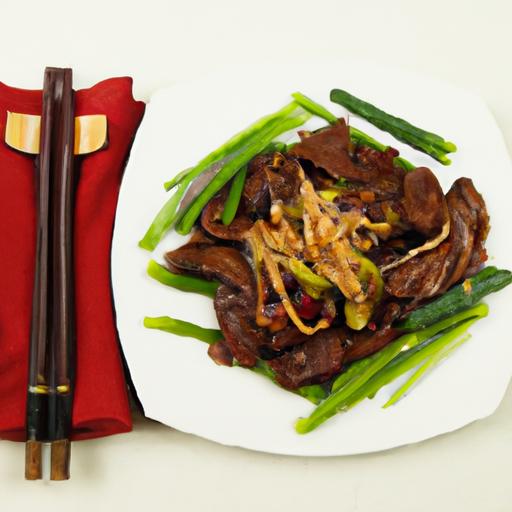
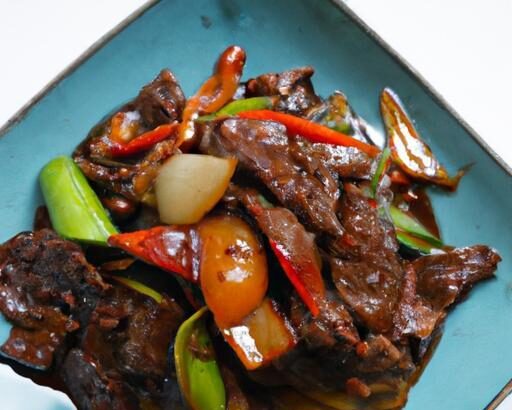
There’s an irresistible allure to mongolian beef-a dish that transforms tender slices of beef into a symphony of rich, savory flavors, all cloaked in a glossy, caramelized sauce. But beyond its restaurant fame lies a culinary secret: mastering the perfect balance of ingredients and techniques that turn a simple meal into a festivity of taste and texture. In this article, we’ll unravel the savory secrets behind crafting authentic mongolian beef at home. From selecting the ideal cut of meat to achieving that signature bite-sized tenderness, and from the harmonious blend of hoisin and soy sauces to the subtle hint of ginger and garlic, prepare to elevate your cooking and impress your palate with this iconic dish.Let’s dive into the art-and science-of Mongolian beef mastery.
Choosing the Ideal Cut for Tender Mongolian Beef
Savory Secrets start with selecting the perfect beef cut to ensure your Mongolian Beef is irresistibly tender and flavorful. Opt for cuts like flank steak or skirt steak, which are lean yet full of robust flavor when sliced thinly against the grain. These cuts offer a delightful chew that soaks up the sauce beautifully without turning tough. Avoid thicker, less tender cuts like chuck or round, which require long braising and don’t achieve the signature rapid-cook tenderness this dish demands.
For beginners and pros alike, trimming excess fat while leaving enough marbling ensures juicy bites. After slicing, marinate briefly with cornstarch and a dash of soy sauce; this velvetizes the meat, enhancing texture and helping achieve that signature silkiness when seared.
Crafting the Signature Sauce for balanced Flavor
What makes Mongolian Beef truly stand out is its sauce-a harmonious blend of savory, sweet, and umami notes that coat every morsel. Start with low-sodium soy sauce as your salty backbone, balanced with fresh ginger and garlic for aromatic depth.sweeten naturally with brown sugar to create that caramelized glaze.To elevate complexity, incorporate a splash of hoisin sauce or dark soy sauce for richness and color, but keep these subtle to avoid overpowering the dish’s brightness.
Simmer the sauce just until it thickens slightly-this allows each slice of beef to be coated without weighing it down. For a mild heat kick, add a pinch of crushed red pepper flakes. This signature sauce is a game-changer, marrying perfectly with the tender beef to create an addictive flavor profile.
Techniques for Achieving the Perfect Sear and Texture
Mastering the sear is crucial. Use a cast iron skillet or heavy-bottomed wok, heating it until just smoking hot. Add a thin layer of oil with a high smoke point, such as vegetable or canola oil. Spread the beef in a single layer to avoid steaming; overcrowding prevents caramelization and leads to uneven cooking.
sear quickly for 1-2 minutes per side, letting the natural sugars caramelize into a mouthwatering crust. Resist moving the beef prematurely to encourage a deeply golden-brown surface. Remove beef only once it’s seared and slightly rare inside-that residual heat will finish cooking in the sauce later, preserving tenderness.
Essential Tips for Serving and Presentation
Presentation is your last chance to wow the senses before the first bite. Serve Mongolian beef atop a bed of steamed jasmine rice or fluffy white rice noodles to soak up the luscious sauce. Garnish generously with freshly sliced green onions and a sprinkle of toasted sesame seeds for texture and vibrant color contrast.

For a final touch of brightness and aroma, add thin slivers of fresh red chili or a few sprigs of cilantro. A wedge of lime on the side offers balance, inviting diners to customize acidity. Present your dish on a wide, shallow platter to showcase the glossy sauce glistening over thin ribbons of tender beef-an inviting sight guaranteed to impress.
Prep and Cook Time
- Preparation: 15 minutes
- Cooking: 10 minutes
- Total Time: 25 minutes
Yield
Serves 4 hungry diners
Difficulty Level
Medium – perfect for home cooks ready to elevate their stir-fry skills
Ingredients
- 1 lb flank steak, thinly sliced against the grain
- 2 tbsp cornstarch
- 2 tbsp vegetable oil
- 1/4 cup low-sodium soy sauce
- 1/4 cup water
- 1/4 cup packed brown sugar
- 2 cloves garlic, finely minced
- 1 tbsp fresh ginger, grated
- 1 tbsp hoisin sauce
- 1 tsp crushed red pepper flakes (optional)
- 2 green onions, sliced thinly
- 1 tbsp toasted sesame seeds
- Steamed jasmine rice, for serving
Instructions
- Prep the beef: Toss thinly sliced flank steak with cornstarch until evenly coated. Let rest 10 minutes for a velvet-like texture.
- Make the sauce: In a bowl, combine soy sauce, water, brown sugar, hoisin sauce, garlic, ginger, and red pepper flakes. Stir well to dissolve sugar.
- Heat your pan: Warm vegetable oil in a large cast iron skillet or wok over medium-high heat until shimmering.
- Sear the beef: Add beef in a single layer without crowding.Cook 1-2 minutes per side, letting it caramelize and form a crust. Work in batches if necessary. Remove and set aside.
- Simmer sauce: Pour sauce mixture into the hot pan, bringing it to a gentle boil.Cook until syrupy,about 2-3 minutes.
- Combine beef and sauce: Return seared beef to pan.Toss quickly to coat all pieces with the glossy sauce. Remove from heat.
- Garnish and serve: Sprinkle green onions and sesame seeds over the beef. Serve promptly atop steamed jasmine rice for a stunning presentation.
Chef’s Notes and Tips for Success
- For a gluten-free version, substitute tamari for soy sauce.
- To keep beef tender, slice against the grain and avoid overcooking.
- Make the sauce ahead and store in the fridge; reheat gently with beef when ready to serve.
- If you prefer less sweetness, reduce brown sugar by half and balance with a splash of rice vinegar for acidity.
- Use a carbon steel wok or cast iron skillet for best heat retention and even searing.
Serving Suggestions
Accompany the dish with steamed broccoli or snap peas for crunch and color. Add a fresh cucumber salad dressed with sesame oil and rice vinegar for contrast. Drizzle a little toasted sesame oil over the top before serving to infuse a nutty aroma.
For an added visual flourish, serve on charcoal-black stoneware plates to make the golden-brown beef and glistening sauce pop, enticing your guests to dig in.
| Nutrient | Per Serving |
|---|---|
| Calories | 350 kcal |
| Protein | 35 g |
| Carbohydrates | 18 g |
| Fat | 14 g |

Delight in every bite as you unveil the Savory Secrets of perfectly cooked Mongolian Beef-tender, flavorful, and visually stunning.
Explore more Asian-inspired recipes like our Best Beef Teriyaki Recipe to elevate your weeknight dinners. For authentic soy sauce details and proper storage tips, check out this extensive soy sauce guide by Serious Eats.
Q&A
Q&A: Savory Secrets – Mastering the perfect Mongolian Beef Recipe
Q1: What makes Mongolian Beef distinct from other stir-fry dishes?
A1: Mongolian Beef stands out with its harmonious blend of sweet and savory flavors, featuring tender strips of beef caramelized in a glossy, soy-based sauce enriched with brown sugar and ginger. Unlike many stir-fries that focus heavily on vegetables, Mongolian Beef emphasizes the perfect balance between richly flavored meat and a luscious sauce that clings to every bite.
Q2: Which cut of beef works best for Mongolian Beef, and why?
A2: Flank steak is the star choice for Mongolian Beef.It’s lean yet tender enough when sliced thinly against the grain, allowing the beef to soak up the sauce without becoming chewy. Its natural grain and texture make it ideal for quick cooking, preserving a juicy bite that’s essential for dish perfection.
Q3: How critically important is the slicing technique for the beef?
A3: Slicing is crucial! Thin, even strips sliced against the grain ensure tenderness and quick, uniform cooking. Cutting against the grain breaks down muscle fibers, which helps the meat stay tender even with high-heat stir-frying.
Q4: What are the key flavor components to replicate authentic Mongolian Beef?
A4: The foundational flavors include soy sauce’s salty umami, the caramel-like sweetness of brown sugar, a hint of fresh ginger’s warmth, and a touch of garlic’s pungency. Together, thay create a complex yet balanced sauce that’s signature to Mongolian Beef.
Q5: Can you suggest any cooking tips to achieve that glossy, luscious sauce coating?
A5: Absolutely! To achieve the signature sheen, start by stir-frying the beef over high heat to quickly seal in juices and create a slightly caramelized exterior. Then, cook down the sauce ingredients until it thickens slightly; this concentrated glaze will beautifully coat each slice. Adding a cornstarch slurry near the end also helps thicken and intensify the sauce’s clinging power.
Q6: Are there any vegetable additions that complement Mongolian Beef without overpowering the dish?
A6: While Mongolian Beef traditionally centers on meat, you can gently incorporate crisp scallions or thinly sliced bell peppers. These add subtle freshness and a pop of color, enhancing texture without overshadowing the savory harmony of the beef and sauce.
Q7: What’s the ideal serving suggestion for Mongolian Beef?
A7: Serve it hot over steamed jasmine rice or sticky rice to soak up every drop of the luscious sauce. A side of lightly sautéed greens like bok choy or Chinese broccoli can round out the meal, balancing richness with a fresh, crunchy bite.
Q8: How can one adjust the recipe to suit a preference for less sweetness?
A8: To dial back sweetness, simply reduce the brown sugar slightly or substitute part of it with a splash of low-sodium soy sauce or tamari to maintain depth without added sweetness. Experimenting with a squeeze of fresh lime juice at the end can also provide a bright contrast that balances the glaze beautifully.
Q9: Is marinating the beef necessary in Mongolian Beef?
A9: While not mandatory, a quick marinade with soy sauce, cornstarch, and a touch of oil can enhance texture and flavor, ensuring the beef emerges tender and silky. This step helps the sauce cling better and gives a more luscious mouthfeel.
Q10: What common pitfalls should be avoided when making Mongolian Beef?
A10: Overcrowding the pan can cause the beef to steam rather than sear, leading to less flavorful, soggy bites. High heat and short cooking times are essential for the ideal texture. Also, beware of making the sauce too watery-letting it reduce properly and using cornstarch ensure that glossy, thick finish characteristic of a truly perfected Mongolian Beef.
Closing Remarks
As you close the chapter on your journey to mastering the perfect Mongolian beef, remember that this dish is more than a recipe-it’s a delightful dance of flavors and textures that captures the essence of savory comfort. With each tender bite, you’ve uncovered the secrets of balancing sweet soy undertones, tender strips of beef, and that ever-critically important caramelized glaze. Now armed with these savory secrets, you’re ready to bring a taste of Mongolian magic to your own kitchen, impressing family and friends alike with a dish that’s as rich in history as it is in flavor. So go ahead-sizzle, stir, and savor your way to culinary confidence, one appetizing bite at a time.