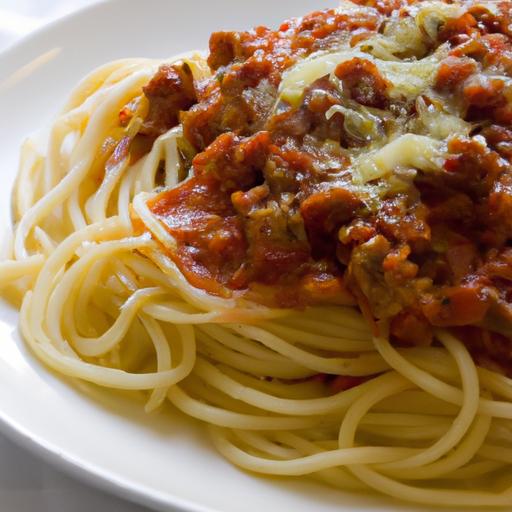

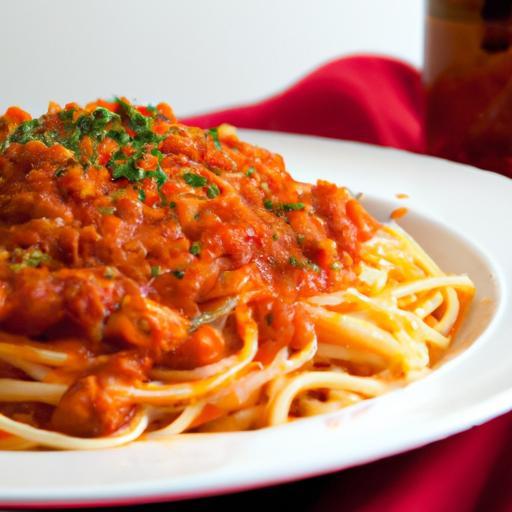
Few dishes capture the heart of comfort food quite like a steaming plate of spaghetti Bolognese. This timeless Italian classic,with its rich,savory sauce and tender strands of pasta,has become a beloved staple in kitchens around the world. Yet, behind its seemingly simple appearance lies a culinary art-a delicate balance of flavors, textures, and techniques that transform humble ingredients into a mouthwatering masterpiece. In this ultimate guide to perfect spaghetti Bolognese sauce, we’ll unravel the secrets of slow-simmered goodness, explore essential tips from seasoned chefs, and arm you with all you need to create a sauce that’s nothing short of spectacular. Whether you’re a home cook seeking to elevate your weeknight dinners or an aspiring foodie eager to master Italian cuisine, this journey promises to bring your spaghetti Bolognese to majestic new heights.
Spaghetti Bolognese sauce begins with choosing the ideal ingredients that create a rich, authentic flavor you can taste in every bite. This classic Italian meat sauce is a true labor of love,built from humble components carefully selected and expertly layered to develop depth and complexity. The secret lies not only in what you use but also how you treat each element-bringing the freshest vegetables,quality ground beef,and fragrant herbs together to craft a harmonious symphony of taste.
Prep and Cook Time
- Planning: 20 minutes
- Cooking: 1 hour 45 minutes (slow simmering essential)
Yield
- Serves 6 hearty portions
Difficulty Level
- Medium – requires patience but perfect for home cooks ready to impress
Ingredients
- 2 tbsp extra virgin olive oil
- 1 large onion, finely chopped
- 2 medium carrots, peeled and diced
- 2 celery stalks, diced
- 3 cloves garlic, minced
- 500g (1.1 lbs) lean ground beef, preferably grass-fed
- 1 cup whole milk
- 1 cup full-fat canned crushed tomatoes
- 2 tbsp tomato paste
- 1 cup beef stock, homemade or low sodium
- 1 tsp dried oregano
- 1 tsp dried basil
- Salt and freshly cracked black pepper, to taste
- Fresh basil leaves, for garnish
- Freshly grated Parmigiano-Reggiano cheese, for serving
Instructions
- Heat olive oil in a heavy-bottomed saucepan over medium heat. Add the finely chopped onion, diced carrots, and celery. Sauté until soft and translucent, about 7 minutes, stirring often to avoid browning.
- Add the minced garlic, stirring for an additional 1 minute until fragrant but not browned.
- increase heat to medium-high. Add the ground beef, breaking it up with your wooden spoon. Cook until browned evenly, about 8 minutes. Patience is key: do not rush or stir excessively to allow caramelization for deeper flavor.
- Pour in the whole milk and simmer gently, stirring often, until most of the milk has evaporated – about 10 minutes. This technique tenders the meat and mellows acidity.
- Add the tomato paste and roasted crushed tomatoes.Stir well to combine, coating the beef and vegetables.
- Pour in the beef stock, then sprinkle in oregano, basil, salt, and a generous amount of black pepper.
- Bring to a gentle simmer, then reduce heat to low. Cover partially and let the sauce simmer slowly for at least 1 hour 15 minutes, stirring occasionally. The slow simmer transforms simple ingredients into a velvety, deeply flavored sauce. If it thickens too much, add a splash of stock or water.
- Before serving,adjust seasoning and stir the sauce vigorously to emulsify all flavors.
chef’s Notes: Tips for Success
- Ingredient quality matters: Use fresh vegetables and high-quality ground beef for the richest flavor profile.
- Milk is a secret weapon: adding milk early tenderizes the meat and softens the acidity from tomatoes-don’t skip this step!
- Slow simmer: Resist the urge to rush. Low and slow cooking allows flavors to meld and sauce to thicken naturally.
- For a lighter version, substitute beef with ground turkey or chicken but extend the simmering time to build depth.
- Make ahead: This sauce tastes even better the next day and freezes beautifully for up to 3 months.
Serving Suggestions
Twirl this luscious Bolognese over perfectly cooked al dente spaghetti for a classic presentation. Finish with fresh basil leaves and a generous shaving of Parmigiano-Reggiano to enhance aroma and add a nutty finish. Complement the dish with a crisp green salad dressed with lemon vinaigrette, and crusty garlic bread to soak up every last drop of sauce. for an authentic Italian touch,use a wide shallow bowl to showcase the sauce beautifully.
| Nutritional Info (per serving) | Amount |
|---|---|
| Calories | 410 kcal |
| Protein | 32 g |
| Carbohydrates | 18 g |
| Fat | 22 g |
Learn more about authentic Italian techniques here. for perfect pasta cooking times and other traditional recipes, visit our Classic Italian Pasta Recipes collection.

Q&A
Q&A: The Ultimate Guide to perfect Spaghetti Bolognese Sauce
Q1: What makes a Bolognese sauce “perfect”?
A1: The perfect Bolognese sauce strikes a balance between rich, slow-cooked meatiness and a harmonious blend of fresh and dried ingredients. It should be thick enough to coat your spaghetti, deeply flavorful from layers of sautéed vegetables, herbs, and carefully simmered tomatoes, yet light enough to complement rather than drown the pasta.Q2: Which type of meat works best for a classic Bolognese sauce?
A2: Ground beef is the star of a traditional Bolognese, providing hearty flavor and texture.For variety, lean ground veal or a blend of beef and veal can add subtle complexity without overpowering the sauce. Remember, the key is to brown the meat slowly, so it develops a rich, caramelized base.
Q3: Can I make Bolognese sauce vegetarian without losing flavor?
A3: Absolutely! Substitute meat with lentils, mushrooms, or hearty plant-based crumbles. Mushrooms,in particular,bring a natural umami punch that mimics the depth of meat,especially when finely chopped and sautéed until caramelized. Use vegetable broth and add extra herbs and slow-simmered tomatoes to build that classic hearty profile.


Q4: What vegetables are essential in a traditional Bolognese?
A4: The holy trinity of Bolognese veggies includes finely diced onions,carrots,and celery. Thes “soffritto” ingredients form the aromatic base, providing sweetness, earthiness, and texture. Cooking them slowly in olive oil or butter unlocks their flavors and sets the stage for a luxurious sauce.
Q5: How important is the tomato component in the sauce?
A5: Tomatoes are crucial but should complement, not dominate, the meat and veggies. Using high-quality canned tomatoes or fresh, ripe ones allows for a naturally balanced sweetness and acidity. The key is a gentle simmer to meld flavors without overcooking the tomatoes into bitterness.
Q6: What’s the secret to the perfect consistency?
A6: Patience is everything. Simmer your sauce slowly for at least an hour, uncovered, to reduce excess liquid and concentrate flavors. The ideal Bolognese sauce is thick enough to cling lovingly to pasta strands but still moist and saucy-not dry or soupy.
Q7: should I add milk or cream to my Bolognese?
A7: A splash of milk or cream is a traditional step that softens acidity and enriches texture. It helps tenderize the meat and fosters a smooth, velvety mouthfeel. Just add it toward the end of cooking and stir gently to incorporate.
Q8: How do I pair the sauce with spaghetti perfectly?
A8: Cook spaghetti in well-salted water until just al dente-firm to the bite with a slight chew. Toss the pasta directly in the pan with your Bolognese sauce over low heat, allowing strands to absorb the savory sauce. Finish with a generous grating of Parmesan cheese and fresh basil or parsley for a vibrant finish.
Q9: Can I prepare Bolognese sauce in advance?
A9: Yes! Bolognese sauce often tastes even better the next day, as the flavors deepen. Store it in an airtight container in the refrigerator for up to 3 days or freeze in portions for up to 3 months. Reheat gently on the stove, adding a splash of broth or water if needed.
Q10: Any tips for elevating my homemade Bolognese to resturant quality?
A10: Use fresh herbs like thyme and bay leaves during simmering; finish with a drizzle of high-quality extra-virgin olive oil; and don’t rush the browning and simmering stages. Lastly, quality ingredients and patience turn simple elements into a symphony of flavors worthy of any trattoria table.
Wrapping Up
As you simmer your way through this ultimate guide to perfect spaghetti Bolognese sauce, remember that the magic lies not only in the ingredients but in the love and patience you pour into every step. From the rich aroma of sautéed onions to the slow melding of robust tomatoes and tender meat, each moment brings you closer to a sauce that’s truly unforgettable. So, tie on your apron, embrace the art of slow cooking, and let your kitchen be filled with the warm, comforting flavors of Italy. With this recipe in your culinary arsenal, every plate of spaghetti Bolognese you serve will be a celebration of tradition, taste, and timeless deliciousness. Buon appetito!