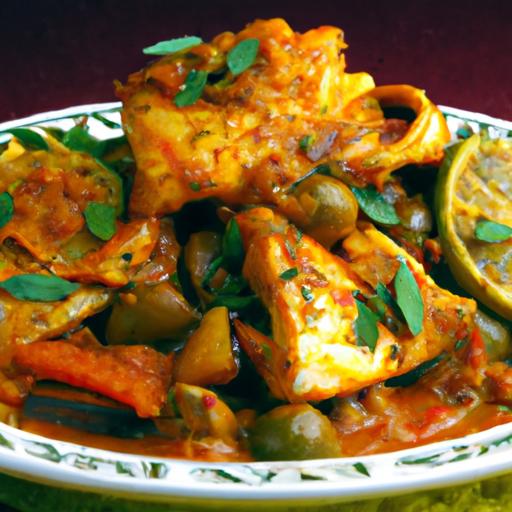

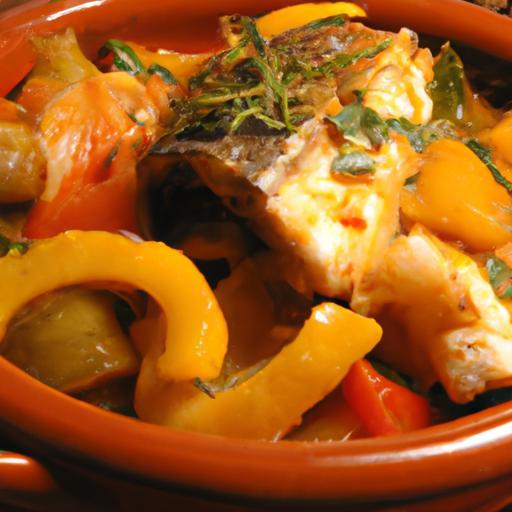
Nestled along the sun-kissed shores of Morocco, where the Atlantic meets the Mediterranean, a culinary treasure simmers gently in earthenware pots-Moroccan Fish Tagine. this iconic dish is more than just a meal; it’s a vibrant tapestry woven from the region’s rich history, aromatic spices, and the fresh bounty of the sea. Each bite takes you on a flavorful journey through bustling souks filled with saffron and cumin, citrus groves heavy with preserved lemons, and the salty breeze of coastal fishing villages.In this article, we dive deep into the origins, unique ingredients, and cooking techniques that make Moroccan Fish Tagine a beloved emblem of North African cuisine, inviting food lovers everywhere to savor a dish that’s as much a celebration of culture as it is of taste.
The Art of Balancing Spices in Moroccan Fish Tagine
Moroccan Fish Tagine is a timeless celebration of vibrant spices and succulent seafood that transports your senses straight to the bustling souks of Morocco. This dish is more than just a meal; it’s a symphony of fragrant, earthy, and smoky flavors carefully aligned to create a harmonious taste experiance. Mastering the balance of spices is essential-too sharp, and you overpower the delicate fish; too subtle, and the dish lacks its signature warmth and depth.
The foundation begins with , , and , which offer a smoky warmth. These are complemented by the lively brightness of and , while a touch of and brings subtle complexity and a hint of sweetness. A final flourish of and awakens the whole dish with herbal brightness,perfectly balancing the sea’s natural flavors.
selecting the Freshest Seafood for authentic Flavors
Choosing the freshest seafood is pivotal to this dish’s success. Opt for firm, white-fleshed fish like , <bbarramundi, or <bcod-these varieties hold up beautifully in the tagine without falling apart under gentle simmering. Locally sourced, wild-caught fish will naturally have a sweeter, cleaner taste, creating a vibrant canvas for the layered spices.
Shellfish like or <bscallops can also be added for contrasting textures and flavors. When shopping,look for shiny,translucent flesh with a mild,oceanic scent; avoid fish that smells overly fishy or has dull skin. Fresh lemons and preserved lemons further brighten and enhance the oceanic notes, making the flavors sing.
Customary Cooking Techniques That Elevate Every Bite
Using a traditional tagine pot or an earthenware casserole creates a unique cooking environment-steam and heat circulate gently, allowing the spices and seafood to slowly marry their flavors. This slow, simmered approach keeps the fish tender and moist. Before adding the fish,sauté your spice blend in olive oil with garlic and onions to create a fragrant base. Deglazing with a splash of fresh lemon juice and fish or vegetable stock unlocks brightness and depth.
Layering is key: place root vegetables or potatoes first, then layer the fish atop so it steams delicately without overcooking. Cover and cook at low heat, occasionally spooning the sauce over the fish to infuse it with spice essence. For smoky notes, finish with a swift sprinkle of steeped in warm water or a drizzle of toasted .
Tips for Pairing Moroccan Fish Tagine with Perfect Sides and Wines
This dish shines with accompaniments that soak up its rich, spicy sauce without competing. Serve with fluffy <bcouscous or to mop every drop. A cooling side like or tempers heat and adds creamy texture.


If you prefer rice, aromatic infused with toasted almonds or dried apricots works beautifully, weaving in subtle sweetness that contrasts the spices.
For beverages, explore crisp, mineral-driven white wines such as a or a from South Africa. These will enhance the dish’s radiant, citrusy notes without overpowering the seafood. For non-alcoholic options, chilled sparkling water with a splash of fresh lemon or a lightly brewed mint tea cleanses the palate and complements the aromatic spices.
Prep and Cook Time
- readiness: 20 minutes
- Cooking: 35 minutes
- Total Time: 55 minutes
Yield
Serves 4
Difficulty Level
Medium – perfect for home cooks familiar with spice layering and simmering techniques
Ingredients
- 1.5 lbs firm white fish fillets (sea bass, cod, or barramundi), cut into large chunks
- 2 tbsp olive oil
- 1 large onion, thinly sliced
- 3 cloves garlic, minced
- 1 tsp ground cumin
- 1 tsp ground coriander
- 1 tsp smoked paprika
- ½ tsp ground cinnamon
- ½ tsp ground ginger
- 1 pinch saffron threads, soaked in 2 tbsp warm water
- 1 preserved lemon, rinsed, pulp removed, peel thinly sliced
- 1 cup diced tomatoes (fresh or canned)
- 1 cup fish stock or vegetable broth
- 1 handful fresh cilantro, chopped
- 1 handful fresh parsley, chopped
- Salt and freshly ground black pepper, to taste
- Juice of 1 lemon
- Optional: 12 medium shrimp, peeled and deveined
instructions
- Warm the olive oil in a tagine or heavy-bottomed pot over medium heat. Add sliced onion and sauté gently until softened and translucent,about 7 minutes.
- Add garlic, ground cumin, coriander, smoked paprika, cinnamon, and ginger. Stir constantly for 1-2 minutes until fragrant but not burnt.
- Pour in diced tomatoes and fish stock.Bring to a gentle simmer, scraping the bottom to release any browned bits.
- Stir in the preserved lemon peel and saffron water. Let the sauce simmer uncovered for 10 minutes until slightly thickened.
- Season the sauce with salt, pepper, and lemon juice. Layer root vegetables or potatoes at the base of the tagine if desired.
- Place fish chunks gently atop the sauce. cover and cook on low heat for 10-12 minutes, spooning sauce over fish occasionally for even cooking.
- If using shrimp, add them during the last 5 minutes of cooking, ensuring they turn pink and opaque.
- Sprinkle fresh cilantro and parsley before serving for a burst of color and herbaceous aroma.
Chef’s Notes
- Preserved lemon is key to authentic flavor-if unavailable, zest one lemon and add a splash of lemon juice as a substitute, tho it won’t replicate the same depth.
- Maintain a gentle simmer to keep fish flaky yet moist; high heat can toughen the seafood.
- For a spicier kick, add a finely chopped or a pinch of <bHarissa paste to the sauce.
- Make-ahead tip: Prepare the sauce base a day in advance to allow flavors to meld; add fish and reheat gently when ready to serve.
Serving Suggestions
Serve this aromatic tagine alongside fluffy couscous or warm, soft flatbreads. Garnish with extra fresh herbs, lemon wedges, and a drizzle of good-quality olive oil for shine.For a refreshing contrast, a simple cucumber and mint yogurt salad heightens the experience, cutting through the savory richness.
| Nutrient | Per Serving |
|---|---|
| Calories | 320 kcal |
| Protein | 35 g |
| Carbohydrates | 10 g |
| Fat | 12 g |

For those eager to dive deeper into Moroccan culinary traditions, check out our article on Moroccan Spice Blends: The Heart of North African Flavors. To explore the health benefits of key spices like cumin and coriander, visit this detailed study.
Q&A
Q&A: Moroccan Fish Tagine – A Flavorful Journey of Spices and sea
Q1: What makes Moroccan Fish Tagine a standout dish in moroccan cuisine?
A1: Moroccan Fish Tagine captivates the senses with its vibrant blend of spices, fresh seafood, and slow-cooked vegetables.Unlike many stews, it masterfully balances citrusy brightness, earthy warmth, and herbal freshness-all layered together in a traditional earthenware pot known as a tagine, which enhances the melding of flavors with its unique steam-circulating design.
Q2: What types of fish are typically used in Moroccan Fish Tagine?
A2: Firm white fish such as cod, sea bass, or halibut are popular choices thanks to their ability to absorb spices without falling apart during cooking.These varieties complement the robust spice profile and hold their shape well amid the tender vegetables and aromatic broths.Q3: Which key spices define the flavor profile of this dish?
A3: The soul of Moroccan Fish Tagine lies in its fragrant spices-ground cumin, coriander, paprika, and turmeric create a golden, earthy foundation.Bright accents of preserved lemon and fresh cilantro provide zesty and herbal highlights, while a touch of chili pepper adds a gentle warmth that lingers on the palate.
Q4: How does the tagine cookware influence the cooking process?
A4: The conical lid of the tagine traps steam during slow cooking, allowing moisture and aromas to circulate continuously. This gentle braising locks in juices, tenderizes the fish delicately, and concentrates the spice-infused broth, delivering an intensely flavorful, melt-in-your-mouth experience.
Q5: Can Moroccan Fish Tagine be made without a traditional tagine pot?
A5: Absolutely! While the ceramic tagine enhances authenticity, a heavy-bottomed Dutch oven or a deep, covered skillet can work as substitutes. The key is to cook slowly over low heat to replicate the moisture-retaining environment the tagine design provides.
Q6: Which vegetables typically accompany the fish in this dish?
A6: Sliced tomatoes, bell peppers, onions, and sometimes potatoes create a colorful, textural contrast. Their natural sweetness and earthiness complement the spices, while absorbing the aromatic broth, transforming into tender bites that highlight the coastal mediterranean influence.
Q7: How is preserved lemon used in Moroccan Fish Tagine, and why is it vital?
A7: Preserved lemon adds a tangy, salty brightness that cuts through the richness of the fish and spices. It is typically chopped finely or sliced and cooked with the fish, imparting a unique citrus complexity that is emblematic of Moroccan cooking and essential to the dish’s layered flavor profile.
Q8: What herbs are essential to finish and garnish a Moroccan Fish Tagine?
A8: Fresh cilantro and flat-leaf parsley are traditional finishing touches. They add a burst of freshness and vivid green color, balancing the dish’s warmth with an herbal brightness that lifts the entire plate.
Q9: Is Moroccan Fish Tagine a healthy meal option?
A9: Indeed! This dish combines lean protein from the fish with nutrient-rich vegetables and heart-healthy spices. its slow-cooked method preserves the integrity of ingredients without the need for heavy fats, making it a wholesome and flavorful choice.Q10: How can one experience the essence of Moroccan Fish Tagine beyond the flavors?
A10: To truly embrace the Moroccan spirit,serve the tagine family-style on a low table with warm crusty bread for scooping,and enjoy it alongside simple salads or olives. The communal sharing and lingering aromas evoke the vibrant social and sensory tapestry of Moroccan dining traditions.
Wrapping Up
As the fragrant steam of moroccan Fish Tagine rises, it tells a story far beyond its vibrant spices and tender seafood-a tale of coastal winds mingling with ancient trade routes, where North African tradition meets the bounty of the sea. This dish invites you not just to taste, but to journey through layers of history, culture, and culinary artistry. Whether you’re a seasoned chef or an adventurous food lover,the tagine’s harmonious blend of flavors offers a appetizing reminder that cooking is,at heart,a flavorful expedition connecting us to distant lands and timeless traditions. so next time you simmer spices and fish together, remember: you’re crafting more than a meal-you’re savoring a slice of Morocco’s soul.