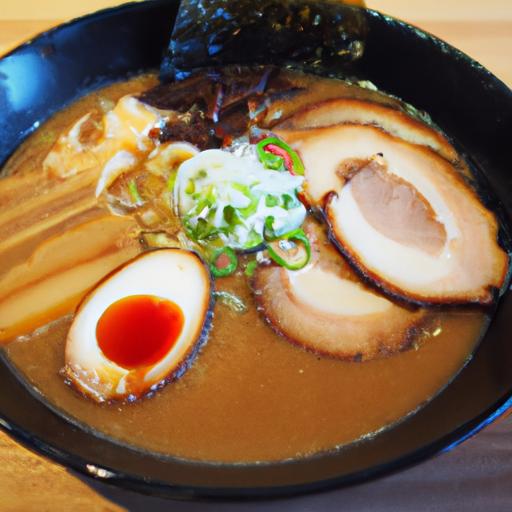

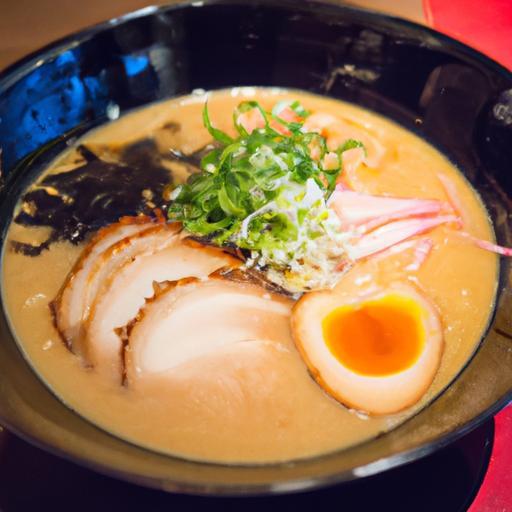
In the bustling world of ramen,few dishes captivate the palate quite like miso ramen-a harmonious blend of rich,savory broth,tender noodles,and an orchestra of vibrant toppings. Yet, behind its comforting allure lies a culinary tradition steeped in history and craftsmanship. If you’ve ever wondered how to recreate the deep umami essence and perfect balance of authentic miso ramen in your own kitchen,you’re in the right place. This step-by-step guide will unlock the secrets behind this iconic Japanese favorite, taking you on a flavorful journey from broth to bowl, helping you master every element with confidence and care. Prepare to elevate your cooking and indulge in a bowl of miso ramen that tastes as genuine as it does unforgettable.
Unlock the Secrets of Authentic Miso Ramen by mastering the quintessential elements that bring this Japanese classic to life.From selecting the perfect miso paste to crafting a rich, umami-packed broth, and choosing noodles that harmonize seamlessly with every slurp, this guide will inspire both your palate and kitchen creativity. With thoughtful toppings and garnishes, your homemade miso ramen will not only taste phenomenal but also showcase the vibrant colors and textures that make it truly unforgettable.
Prep and Cook Time
- Planning: 20 minutes
- Cook Time: 1 hour 15 minutes
- Total Time: 1 hour 35 minutes
Yield
- 4 generous servings
Difficulty Level
- Medium – great for dedicated home cooks looking to elevate their ramen game
Ingredients
- Broth Base: 8 cups chicken broth (preferably homemade or low-sodium)
- Miso Paste: 3 tbsp red miso paste (aka aka miso), plus 2 tbsp white miso for balance
- 1 cup dashi stock (kombu and bonito flakes brewed)
- 2 cloves garlic, minced
- 1-inch piece fresh ginger, grated
- 2 tbsp sesame oil
- 1 tbsp soy sauce
- 1 tbsp mirin
- Ramen noodles, fresh or dried (see noodle selection below)
- Toppings & Garnishes: Soft boiled eggs, sliced scallions, corn kernels, bamboo shoots, toasted sesame seeds, nori sheets, and thinly sliced chashu pork (optional)
Selecting the Perfect Miso Paste for a Rich and Balanced Flavor
The foundation of authentic miso ramen lies in the quality and type of miso paste used.Red miso imparts a deep,fermented savoriness with a subtle sweetness,while white miso lends a delicate creaminess and mild umami. Combining them ensures a beautifully layered broth that’s rich but not overpowering. When shopping, look for unpasteurized, traditionally fermented miso stored in refrigerated sections to capture the fullest depth of flavor. Keep your miso paste refrigerated and add it at the end of cooking to preserve its nuanced taste and aroma.
Crafting the Ultimate Broth: Techniques to Develop Depth and Umami
Start by gently sautéing garlic and ginger in sesame oil until fragrant but not browned, about 2-3 minutes. This infuses your broth with aromatic warmth. Add dashi stock and chicken broth to build a umami-rich base-dashi’s smoky kombu and bonito notes elevate conventional ramen broth complexity. Simmer the liquid gently for at least 45 minutes to allow flavors to meld without becoming bitter. When seasoning, stir in miso paste off-heat to safeguard those delicate fermented nuances, then finish with a splash of soy sauce and mirin for balance and slight sweetness.
Noodle Know-How: Choosing the Ideal Texture and Thickness
Ramen noodles come in many shapes and thicknesses, each bringing a distinct mouthfeel that changes your bowl’s personality. Opt for wavy medium-thickness yellow alkaline noodles to cling beautifully to the hearty broth, allowing each bite to be coated in flavor. Fresh noodles have a tender elasticity with a slightly chewy bite, while dried versions offer convenience and a firmer texture. To cook perfectly, boil noodles separately for 2-3 minutes or until al dente, then rinse quickly under cold water to stop cooking and remove surface starch-this prevents unwanted mushiness in your final bowl.
Toppings and Garnishes that Elevate Your Miso Ramen Experience
The joy of ramen doesn’t end with broth and noodles; toppings complete this edible masterpiece. Soft-boiled eggs with custardy yolks add luscious creaminess, while thinly sliced scallions and toasted sesame seeds provide luminous and nutty contrasts. crunchy corn kernels offer subtle sweetness and texture, and marinated bamboo shoots introduce an earthy bite. A sheet of crispy nori wraps the dish in a briny ocean aroma, and for meat lovers, tender chashu pork slices make your bowl irresistible. Consider a sprinkle of shichimi togarashi (Japanese seven-spice) for a subtle kick that awakens your senses.
Step-by-Step Instructions
- Prepare the broth: Heat 2 tbsp sesame oil in a large pot over medium heat. Add minced garlic and grated ginger, sautéing until aromatic, about 2-3 minutes.
- Add liquids: Pour in 1 cup dashi stock and 8 cups chicken broth. Bring to a gentle simmer, reduce heat to low, and cook uncovered for 45 minutes, skimming any foam.
- Season the broth: Remove pot from heat. In a small bowl,whisk 3 tbsp red miso and 2 tbsp white miso with ½ cup warm broth. Stir this mixture back into the pot gently. Add 1 tbsp soy sauce and 1 tbsp mirin, stir to combine.
- Cook noodles: Bring a separate pot of water to a boil. Add ramen noodles, cooking according to package directions (generally 2-3 minutes). drain and rinse briefly under cold water to halt cooking and remove starch. Set aside.
- Prepare toppings: Soft boil eggs by simmering in boiling water for 6-7 minutes, then shock in ice water before peeling. Slice scallions, toast sesame seeds over low heat, and prepare additional toppings as desired.
- Assemble bowls: Divide noodles evenly among four bowls. Ladle hot broth over noodles. Artfully arrange toppings including halved soft-boiled eggs, corn, bamboo shoots, scallions, sesame seeds, nori, and chashu pork if using.
- Serve immediately: Encourage diners to mix toppings and noodles for a multi-textured experience with every bite.
Chef’s Notes & Tips for Success
- For a vegetarian variation, substitute chicken broth with mushroom or vegetable broth and use kombu-based dashi.
- Miso paste can be intense; always add gradually and taste before adding more to maintain balance.
- Make broth ahead and refrigerate – flavors deepen overnight. Reheat gently, avoiding a vigorous boil to preserve miso freshness.
- Experiment with homemade ramen noodles if feeling adventurous; tender yet springy is the goal.
- Keep your toppings colorful and varied for that restaurant-quality visual appeal and textural harmony.
Serving Suggestions
Serve in wide, deep bowls to showcase the vibrant colors of your creation. Pair with chopsticks and a wide soup spoon for an authentic experience.Complement the meal with a light Japanese beer or chilled green tea to refresh the palate. Garnish each bowl with a sprinkle of fresh chopped scallions or microgreens to add pop and layer the wholesome rustic taste with fresh brightness.
| Nutrient | Per Serving |
|---|---|
| Calories | 480 kcal |
| Protein | 30 g |
| Carbohydrates | 40 g |
| Fat | 18 g |


For a deeper understanding of Japanese miso varieties and their health benefits,visit the Real Japanese Food miso guide. Looking to explore more ramen styles? Check out our related article on Shoyu Ramen Recipe to diversify your noodle repertoire.
Q&A
Q&A: Unlock the Secrets of Authentic Miso Ramen – A Step-by-Step Guide
Q1: What makes miso ramen different from other types of ramen?
A1: Miso ramen is distinguished by its rich, savory broth infused with fermented soybean paste-miso. Unlike clear shoyu or porky tonkotsu broths, miso ramen offers a deep umami punch with a creamy texture that warms you from the inside out. Its bold, fermented flavors create a hearty soup that perfectly complements tender noodles and vibrant toppings.
Q2: Why is authentic miso ramen considered a culinary treasure?
A2: Authentic miso ramen is a delicate balance of tradition, technique, and terroir. It’s not just a bowl of noodles; it’s a cultural story simmered over hours. The fermentation of miso itself is an age-old craft, and when combined with carefully prepared broth and fresh ingredients, it elevates the dish to an art form cherished in Hokkaido and beyond.Q3: What are the essential ingredients to gather for making authentic miso ramen at home?
A3: To capture the soul of miso ramen,you’ll need:
- High-quality miso paste (typically red or blended miso)
- Rich chicken or pork broth (or a combination)
- Fresh ramen noodles (medium-thick and curly for that perfect bite)
- Aromatic veggies like garlic,ginger,and scallions
- Toppings such as chashu pork,menma (bamboo shoots),boiled eggs,corn,and butter-classic Hokkaido touches that add character and texture
Q4: How do you develop the complex broth that defines authentic miso ramen?
A4: The broth is the heart of authentic miso ramen,and its complexity comes from layering flavors. Start by simmering pork bones and chicken carcasses to extract rich umami. infuse this base with sautéed garlic, ginger, and onions for aromatic depth. Then, gently whisk in miso paste off the heat to preserve its nuanced flavors without bitterness. Slow cooking and continuous tasting are keys to unlocking a broth that sings with balanced richness.
Q5: Can I customize miso ramen without losing authenticity?
A5: Absolutely! While the fundamentals remain-the miso-forward broth, hearty noodles, and traditional toppings-ramen invites creativity. Regional variations have added corn,butter,or spicy chili oil. Feel free to experiment with toppings like mushrooms or seaweed, as long as you maintain the balance between the savory miso flavor and complementary ingredients. Authenticity thrives in respect for tradition, not rigidity.
Q6: Any insider tips for achieving restaurant-level miso ramen at home?
A6: Certainly! Use quality, fresh ingredients and don’t rush the broth. Toasting miso paste lightly before mixing it in can deepen its flavor. Cook your noodles al dente and drain well to avoid sogginess.Layer toppings thoughtfully-soft-boiled eggs with runny yolks, slices of tender chashu, and fresh scallions add texture and a pop of freshness. And remember, patience is your best ally in bringing out authentic flavors.Q7: Why should food lovers embark on making miso ramen themselves?
A7: Making authentic miso ramen is a rewarding culinary journey-it connects you with Japanese culture, hones your cooking skills, and delights your senses. Beyond just eating, crafting your own bowl invites mindfulness and creativity, turning a simple meal into an experience of warmth, tradition, and soulful satisfaction.
Q8: Where can I learn more about the history and variations of miso ramen?
A8: Dive into culinary books focused on Japanese cuisine, browse food documentaries on ramen culture, and explore local ramen shops specializing in Hokkaido-style miso ramen. Online forums and cooking classes often share insider knowledge and tips, making your adventure both educational and mouthwateringly delicious.
Unlocking the secrets of authentic miso ramen isn’t just about following a recipe-it’s about embracing a rich tradition that transforms humble ingredients into a symphony of flavor. Ready your ladle, and let the savory journey begin!
Future Outlook
As you’ve unraveled the rich layers of authentic miso ramen-from selecting the perfect miso paste to crafting a broth that sings with umami-you’re now equipped to bring this iconic Japanese delight to your own kitchen. Remember, the art of miso ramen is as much about patience and balance as it is indeed about bold flavors. With each simmer and stir, you’re not just making a meal; you’re creating a bowl steeped in tradition and comfort. So grab your chopsticks, savor the steam rising from your masterpiece, and let every slurp transport you to the bustling ramen stalls of Japan. Your journey into authentic miso ramen has only just begun-may every bowl be a delicious revelation.