Beneath the sun-soaked skies of the Mediterranean,where turquoise waves kiss terracotta shores,a humble vegetable thrives with vibrant flavor and timeless appeal: the Mediterranean green bean. More than just a garden staple, these slender pods carry the essence of coastal living-fresh, crisp, and infused with the rich heritage of seaside kitchens.From bustling markets in Greece to rustic tables in Italy, Mediterranean green beans offer a deliciously simple way to experience the region’s bounty. Join us as we explore this verdant gem’s history, culinary versatility, and the ways it brings a splash of the Mediterranean coast to your plate.
mediterranean Green Beans: A Vibrant Taste of the Coast
Mediterranean green beans carry the essence of sunlit coastal markets and rustic village kitchens.These slender, tender pods have journeyed through centuries, blending the culinary traditions of Greece, Italy, and North Africa into a vivid tapestry of flavor and culture. their crisp snap and verdant hue reflect more than freshness-they tell a story of simplicity, healthful eating, and vibrant coastal life that continues to inspire modern cooks around the world.
Prep and Cook Time
Preparation: 15 minutes
Cooking: 10 minutes
Total: 25 minutes
Yield
Serves 4 as a side dish
Difficulty Level
Easy
Mediterranean Green Beans Ingredients
- 1 lb fresh Mediterranean green beans, trimmed and washed
- 2 tbsp extra virgin olive oil
- 3 cloves garlic, thinly sliced
- 1 small lemon, zested and juiced
- 1/2 tsp sea salt
- Freshly ground black pepper to taste
- 1 tbsp chopped fresh mint or flat-leaf parsley
- 1/4 cup toasted pine nuts (optional for garnish)
Instructions
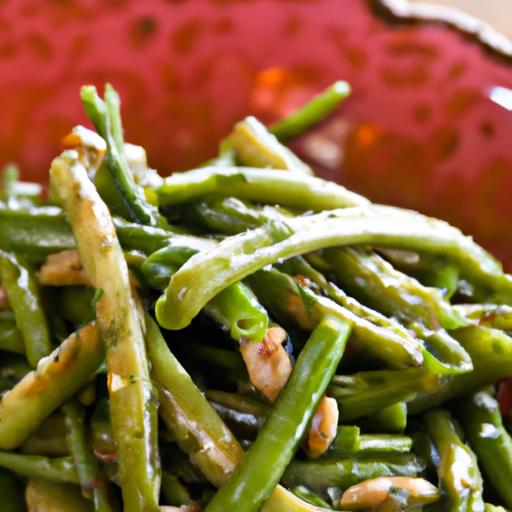
- Bring a large pot of salted water to a boil. Add the Mediterranean green beans and blanch for 3-4 minutes until crisp-tender and vibrantly green. Promptly transfer to an ice bath to halt cooking and preserve color. Drain and set aside.
- In a large sauté pan, heat 2 tbsp extra virgin olive oil over medium heat. Add the sliced garlic and cook gently until fragrant and golden, about 2 minutes-be careful not to burn.
- Add the blanched green beans to the pan and toss to coat in the fragrant garlic oil.Sauté for another 3-5 minutes, stirring frequently, allowing the beans to soak in the flavors without losing their snap.
- Remove from heat. Stir in the fresh lemon zest and juice, 1/2 tsp sea salt, and black pepper to taste.
- Transfer to a serving platter and garnish with chopped fresh mint and toasted pine nuts for an added nutty crunch and herbal freshness.
Chef’s notes: Tips for Success
- Choosing Beans: Select slender, shining green pods without blemishes or wrinkles for optimal tenderness.
- Blanching: this speedy bath locks in vibrant color and crunch. Don’t skip the ice bath to stop the cooking process immediately.
- Garlic: Slice thinly instead of mincing for a milder, toasted flavor that won’t overpower.
- Variations: Add a pinch of chili flakes for subtle heat or swap pine nuts for slivered almonds for a different texture.
- Make-Ahead: Prepare and store beans separately from garnishes; toss just before serving to keep freshness.
serving Suggestions
This dish shines as a side to grilled seafood or a mezze platter featuring olives, hummus, and crusty bread. Serve warm or at room temperature, drizzled with extra olive oil and sprinkled with a few more fresh herbs. A wedge of lemon on the side invites diners to brighten the dish further. For a stunning presentation, serve on rustic ceramic plates garnished with colorful edible flowers or microgreens.

| Nutrient | Per Serving |
|---|---|
| calories | 95 |
| Protein | 3 g |
| Carbohydrates | 8 g |
| Fat | 7 g |
The Rich Heritage and Benefits Behind Mediterranean Green Beans
Steeped in the rich soils and radiant sunlight of the mediterranean basin, these green beans have long been cherished for both their flavor and nutritional value. Ancient Mediterranean cultures prized them not only for their fresh, slightly sweet taste but also for their ability to nourish the body during long farming days and coastal harvests. This legacy of wholesome eating remains firmly embedded in customary coastal diets today.
From a nutritional standpoint, Mediterranean green beans are low in calories and high in dietary fiber, key minerals like magnesium and potassium, plus vitamins A and C. Their antioxidant content supports heart health and immune function, making them a natural staple for those pursuing a balanced, healthful lifestyle.
Traditional and Contemporary Culinary Uses Along the Mediterranean Coast
Coastal regions have developed countless recipes highlighting these green beans. In Greece, they often simmer gently with tomatoes, onions, and fragrant herbs in a dish called “fasolakia.” In Italy’s Ligurian coast, green beans complement herbaceous pesto and fresh seafood. North African cooks add a tangy touch with preserved lemons and cumin spices. Today’s chefs fuse these traditions with modern techniques-roasting, grilling, or even pickling mediterranean green beans-highlighting their versatility and vibrant texture.
Tips for Selecting, storing, and Preparing Mediterranean Green Beans
When selecting these green beans, look for pods that are bright, firm, and slender without any signs of wilting or browning tips. Store them unwashed in a breathable paper bag or perforated plastic in the refrigerator’s crisper drawer.They will stay fresh for up to a week when stored properly.
Before cooking, simply trim the ends and rinse them gently under cold water. For effortless crispness and vivid color, blanch them briefly and shock in ice water, as detailed above.This technique also reduces bitterness, bringing out their natural sweetness.
For further inspiration on Mediterranean vegetable dishes, check out our Mediterranean Vegetable Recipes collection. For more in-depth nutrition data, visit the Nutrition Society.
Q&A
Q: What makes Mediterranean green beans uniquely vibrant compared to other green bean dishes?
A: Mediterranean green beans burst with a vibrant flavor thanks to the bright combination of fresh herbs like oregano and thyme, zesty lemon, and the natural sweetness of ripe tomatoes. The coastal influence brings a sun-kissed freshness, making the dish both colorful and aromatic-a true party of the Mediterranean’s lively spirit.
Q: Which key ingredients define the Mediterranean twist on green beans?
A: The key players include tender green beans, ripe tomatoes or cherry tomatoes, fragrant garlic, extra virgin olive oil, fresh herbs such as parsley and dill, and a splash of lemon juice or zest. These ingredients come together in a harmony that highlights simplicity and freshness, hallmarks of Mediterranean cuisine.
Q: How can Mediterranean green beans be prepared to retain their bright color and crisp texture?
A: To keep their bright green hue and satisfying crunch,green beans should be blanched briefly in boiling water,then immediately shocked in ice-cold water. This process stops the cooking, locking in both color and texture before they’re gently simmered with the rest of the Mediterranean ingredients.
Q: Are there traditional regional variations of this dish along the Mediterranean coast?
A: Absolutely! In Greece, green beans might be slow-cooked with tomatoes and herbs until tender, frequently enough with a touch of olive oil and lemon.In Italy, particularly in coastal regions, green beans may be sautéed quickly with garlic and finished with fresh basil or parsley. each region brings its own nuance,reflecting local produce and culinary traditions.
Q: What makes Mediterranean green beans a healthy addition to any meal?
A: This dish is a nutrient powerhouse-green beans provide fiber and vitamins, while olive oil supplies heart-healthy fats. Fresh herbs and lemon add antioxidants and a natural boost of flavor without extra calories. Together, they create a nourishing side or light main that supports a balanced, vibrant lifestyle.
Q: Can Mediterranean green beans be served warm as well as cold?
A: Definitely! Mediterranean green beans are incredibly versatile. Served warm, they offer a cozy, comforting flavor perfect alongside a hearty fish or grain dish. Chilled or at room temperature, they transform into a refreshing salad ideal for sunny days or picnics, making them a year-round favorite.
Q: What are some creative ways to enjoy Mediterranean green beans beyond the plate?
A: Think beyond mealtime-try tossing Mediterranean green beans into a grain bowl with quinoa and sun-dried tomatoes, mixing them into a rustic frittata, or blending them into a vibrant green bean pesto. Their bright, fresh profile can uplift many culinary creations, inviting a taste of the coast wherever you are.
To Wrap It Up
As the sun-soaked shores of the Mediterranean continue to inspire culinary traditions around the world, these vibrant green beans stand as a testament to the region’s commitment to fresh, flavorful simplicity. Whether sautéed with garlic and olive oil or nestled alongside a tangy tomato salad, Mediterranean green beans invite us to savor not just a dish, but a way of life-one that celebrates health, heritage, and the rich bounty of the coast. So next time you’re seeking a vibrant twist on a classic vegetable, let the colors and tastes of the mediterranean guide your palate to new, delicious horizons.