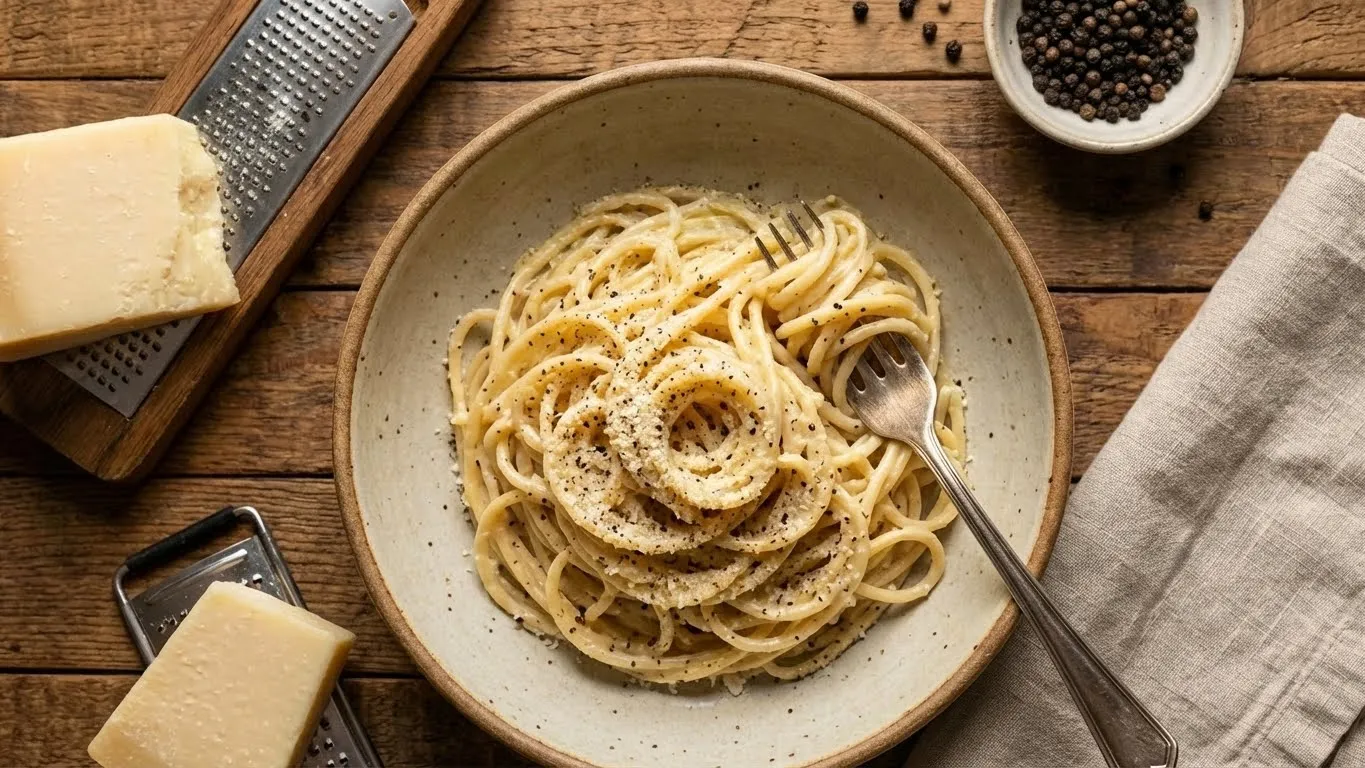

Few dishes capture the magic of simplicity quite like Cacio e Pepe. This quintessential Roman pasta, with it’s hypnotic blend of Pecorino Romano cheese and freshly cracked black pepper, transforms just a handful of humble ingredients into a velvety, luscious experience for the senses. Yet, beneath its seemingly effortless exterior lies a delicate alchemy-one that balances technique, timing, and touch to achieve that signature creamy coating without a drop of cream. In this ultimate guide to mastering Cacio e Pepe, we’ll unravel the secrets behind its perfect texture, share expert tips to elevate your home cooking, and celebrate the art of turning simplicity into sublime. Whether you’re a seasoned pasta aficionado or a curious kitchen adventurer, prepare to embark on a journey where cheese meets pepper in glorious harmony.
Mastering Cacio e Pepe begins with selecting the ideal Pecorino Romano to build an authentically bold, yet balanced flavor profile that elevates this deceptively simple Roman classic. This salty,tangy sheep’s milk cheese forms the savory backbone of your sauce,so the quality and age of your Pecorino Romano will directly impact the richness and depth of your final dish.
Choosing the Perfect Pecorino Romano for Authentic Flavor
Opt for a Pecorino Romano that is well-aged (about 8-12 months), which provides a robust, slightly sharp flavor and a firm texture perfect for finely grating. Avoid pre-grated cheeses as they often lack freshness and melt unevenly, compromising the smooth creaminess essential in Mastering Cacio e Pepe. when grating,use a microplane or the finest side of a box grater to ensure the cheese blends effortlessly. Freshly grated Pecorino Romano will embrace the hot pasta water to form silky ribbons of decadence.
Techniques to Achieve Silky, Lusciously Creamy Sauce Every Time
Creating a flawlessly creamy sauce hinges on mastering the emulsification of cheese, pasta water, and freshly cracked black pepper. The key lies in patience and timing: reserve ample pasta cooking water rich in starch, adding it gradually while vigorously tossing the pasta and cheese off the heat to coax out a glossy, velvety sauce without clumps. Using a large sauté pan or mixing bowl warmed in advance prevents premature cooling and cheese clumping. Never skip the vigorous stirring – it’s the magic that makes the sauce cling luxuriously to every strand of pasta.
Balancing Pepper Heat with Elegant Simplicity in Your Pasta
Black pepper is not merely an afterthought but the soul of this dish, offering a peppery warmth that contrasts the salty Pecorino. For Mastering Cacio e Pepe,freshly ground black peppercorns toasted lightly in a dry pan release essential oils,enhancing fragrance and adding subtle smoky notes. Add the pepper gradually; start with a modest pinch and increase according to your palate. The goal is a harmonious balance where pepper’s piquancy complements rather than overpowers the creamy richness. This refined simplicity is what makes the dish timelessly elegant.
Expert Tips for Elevating Cacio e Pepe with Complementary Ingredients
While classic cacio e pepe thrives in its purity, subtle enhancements can elevate the experience while respecting its tradition. Consider finishing with a drizzle of extra-virgin olive oil for a smooth sheen and fruity nuances. A touch of freshly grated lemon zest can awaken the palate with luminous notes that cut through richness. Freshly chopped flat-leaf parsley introduces a refreshing herbal lift without stealing focus. For textural contrast, sprinkle toasted, coarsely chopped walnuts or pine nuts just before serving. Every accompaniment should whisper, not shout, adding layers while preserving the dish’s core identity.
Prep and Cook time
- Planning: 10 minutes
- cooking: 15 minutes
- Total Time: 25 minutes
Yield
- Serves 4 elegantly
Difficulty Level
- Medium – requires attention to technique
Ingredients
- 12 oz spaghetti or tonnarelli pasta
- 1 1/2 cups finely grated Pecorino Romano cheese (aged 8-12 months recommended)
- 2 teaspoons freshly cracked black peppercorns
- 1 1/2 cups reserved pasta cooking water (warm and starchy)
- 2 tablespoons extra-virgin olive oil (optional, for finishing)
- 1 teaspoon finely grated lemon zest (optional garnish)
- Fresh flat-leaf parsley, chopped (optional garnish)
Instructions
- Bring a large pot of salted water to a lively boil. Add the pasta and cook until al dente, stirring occasionally to prevent sticking.
- While pasta cooks, dry-toast the black pepper: In a large skillet over medium heat, toast cracked peppercorns, stirring, about 2 minutes until fragrant. Remove from heat.
- Reserving pasta water: Before draining pasta, ladle out 1 1/2 cups of the hot starchy water and set aside.
- Drain pasta quickly and transfer directly to the skillet with toasted pepper (off heat) to retain residual warmth.
- Gradually add the reserved pasta water, about 1/4 cup at a time, tossing energetically with tongs or a fork to evenly coat pasta and gently warm the skillet.
- sprinkle the grated Pecorino Romano over pasta in small increments, continuously tossing and stirring off heat to avoid cheese clumping. The sauce will begin to form a smooth,creamy coating.
- Adjust consistency by adding more pasta water as needed, achieving a glossy, slightly fluid sauce that clings beautifully to each strand.
- If using, drizzle extra-virgin olive oil and gently toss again for added silkiness.
- Serve immediately, garnished with fresh parsley and a light dusting of lemon zest for brightness.
Tips for Success
- Cheese quality is paramount: Always grate Pecorino Romano fresh to prevent gritty textures and uneven melting.
- Do not overheat the skillet: Adding cheese off the direct heat avoids stringy, clumpy sauce.
- Keep pasta water warm: Using cool water halts emulsification and yields a dull sauce.
- Use long pasta such as spaghetti or tonnarelli: Their shape best holds the sauce, maximizing flavor delivery.
- For a dairy alternative: Substitute Pecorino Romano with aged vegetarian hard cheese, ensuring similar saltiness and texture.
- Make-ahead tip: Prepare pasta,toasted pepper,and cheese combo separately; reheat gently with reserved pasta water to restore creaminess.
Serving Suggestions
Plate your cacio e pepe in warm shallow bowls or classic pasta plates to showcase that luscious coating. Complement with a crisp side salad dressed with lemon and olive oil to balance richness. A wedge of crusty rustic bread provides the perfect vehicle for mopping up any remaining silky sauce.Garnish sparingly with extra black pepper and a pale dusting of cheese for visual appeal. This dish shines simple-sometimes, less truly is more.

| Nutrient | Per Serving |
|---|---|
| Calories | 530 kcal |
| Protein | 21 g |
| Carbohydrates | 75 g |
| Fat | 14 g |
For a deeper dive into Italian pasta techniques, check out our detailed guide on perfect pasta cooking techniques.To learn more about Pecorino romano’s unique history and production, visit the official Consorzio Pecorino Romano.


Q&A
Q&A: Mastering Cacio e Pepe – The Ultimate Creamy Pasta Guide
Q1: What is Cacio e Pepe, and why is it considered a classic in Italian cuisine?
A1: Cacio e Pepe translates to “cheese and pepper” in Italian, encapsulating its simple yet bold flavor profile. This Roman pasta masterpiece is beloved for its minimalist ingredients-just Pecorino romano cheese, freshly cracked black pepper, pasta, and starchy cooking water-all combining to create a luxuriously creamy, peppery sauce that clings to each strand of pasta with irresistible finesse.
Q2: How do you achieve the perfect creamy texture without using cream?
A2: The secret lies in the magic of starchy pasta water combined with finely grated Pecorino Romano cheese. The warm pasta water-rich in starch-acts as a silky emulsifier, helping the cheese melt smoothly without clumping. The key is to reserve enough of this water before draining the pasta, then whisk it gradually into the cheese and pepper over low heat, coaxing it into a glossy, luscious sauce.
Q3: Which pasta shapes work best for Cacio e Pepe?
A3: Traditionalists favor long, thin pasta like spaghetti or tonnarelli because their slender form allows the pepper and cheese to coat every strand evenly. That said, feel free to experiment with bucatini, linguine, or even thicker spaghetti varieties. The goal is to ensure enough surface area for the creamy sauce to cling lovingly to each noodle.
Q4: How should the black pepper be prepared for authentic flavor?
A4: Freshly cracked black pepper is essential. Use a mortar and pestle or a coarse grinder to release pepper’s aromatic oils and vibrant heat. toasting the freshly cracked pepper briefly in the pan before adding cheese and pasta water can amplify its smoky, lively flavor, elevating the entire dish.
Q5: Can I use a different cheese if I don’t have Pecorino Romano?
A5: Pecorino Romano’s sharp, tangy bite is integral, but if unavailable, finely grated aged Parmesan can work as a substitute-though the flavor will be milder and less salty. For an authentic cacio e pepe experience, stick with Pecorino whenever possible, and make sure to grate it fresh for the best melt and flavor.
Q6: What common mistakes should I avoid when making Cacio e Pepe?
A6: The most frequent pitfalls are adding cheese directly to the pasta without enough starchy water and overheating the sauce, which causes the cheese to clump or become grainy. The cheese must be tempered slowly with pasta water on low heat, constantly whisking to achieve a smooth emulsification. Overcooking pasta or using cold water to mix the sauce can also dull the texture and flavor.
Q7: How important is the timing when combining pasta and sauce?
A7: Timing is everything! You want the pasta hot and just drained,so the residual heat helps melt the cheese perfectly. Add the reserved pasta water and cheese right after draining, tossing vigorously off the heat or on very low heat to encourage a creamy, silky coating. Acting quickly ensures the sauce clings well without solidifying or separating.
Q8: Can Cacio e Pepe be adapted for a vegan diet?
A8: Traditional Cacio e Pepe hinges on Pecorino Romano, so a vegan version requires creativity. Nutritional yeast can mimic cheesy notes, and cashew cream or soaked blended nuts add creaminess. Freshly cracked black pepper remains key. while the vegan variant won’t replicate the exact taste, thoughtful ingredient choices can deliver a satisfying homage to this classic.
Q9: What side dishes or accompaniments complement Cacio e Pepe?
A9: Given its richness and simplicity, light, fresh sides complement it best. A crisp green salad dressed with lemon vinaigrette or sautéed seasonal greens with garlic provide refreshing contrasts.Roasted vegetables or a delicate mushroom sauté also balance the peppery, cheesy intensity.
Q10: Why is mastering Cacio e Pepe considered a rite of passage for pasta lovers?
A10: despite its humble ingredients, Cacio e Pepe demands technique, timing, and precision-no shortcuts. Its success rests on perfectly balancing heat, liquid, and cheese without the crutch of heavy cream or complex sauces. When nailed, it showcases how simplicity and skill can transform a handful of pantry staples into a dish that’s infinitely greater than the sum of its parts. Mastering it feels like unlocking the purest essence of Italian pasta artistry.
To Wrap It Up
As you twirl your fork through that glossy tangle of perfectly cooked spaghetti, cloaked in a velvety cloak of pecorino and pepper, you’re not just savoring a dish-you’re partaking in a timeless Roman ritual. Mastering cacio e pepe is more than a recipe; it’s an art of balance, patience, and simplicity elevated to divine heights.Now equipped with these tips and techniques, you can bring this ultimate creamy pasta delight from the heart of Italy right to your own kitchen. So go ahead-embrace the alchemy of cheese, pepper, and pasta, and let every bite remind you that sometimes, the simplest things in life are the most exceptional.