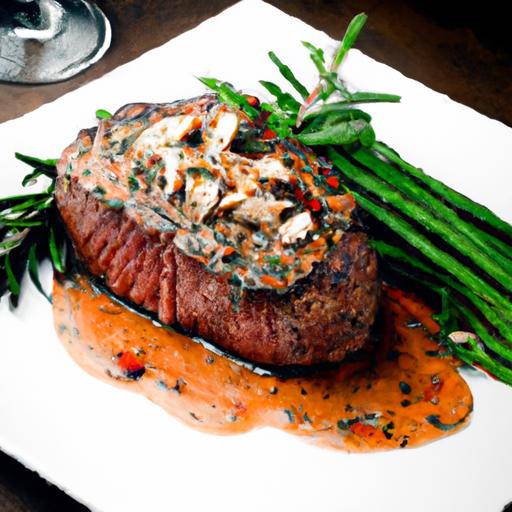

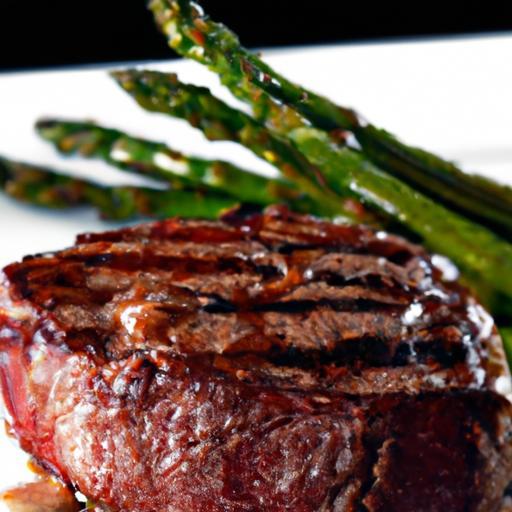
There’s something undeniably satisfying about the perfect sizzle of a steak hitting a hot pan-the crackle, the aroma, the promise of a juicy, flavorful bite. But achieving that flawless sear, with its caramelized crust and tender interior, can feel like a culinary mystery reserved for seasoned chefs. Fear not: mastering the art of pan-seared steak is within every home cook’s reach. In this article, we’ll unlock the secrets to perfect searing every time, from choosing the right cut to controlling heat and timing, so you can confidently transform a simple steak into a mouthwatering masterpiece. Get ready to elevate your cooking game and savor steakhouse-quality results right in your own kitchen.
Choosing the Ideal Cut for pan-Searing Success
Mastering pan-seared steak begins with selecting the perfect cut that can stand up to high heat and deliver both tenderness and flavor. Cuts like ribeye, striploin, and sirloin are fantastic choices due to their marbling and thickness, which allow for a juicy interior while achieving a beautifully caramelized crust. Opt for steaks that are at least 1 to 1.5 inches thick to ensure you can develop a golden sear without overcooking the inside. Grass-fed or dry-aged options provide slightly different flavor profiles, with richer beefy notes that make every bite truly special.
Preparing Your Steak for Maximum Flavor and Texture
Proper preparation is key to unlocking the full potential of your steak. begin by gently patting the meat dry with paper towels; moisture is the enemy of that coveted crust. Allow your steak to come to room temperature for 30 to 45 minutes before cooking-this ensures even cooking throughout. Don’t skimp on seasoning: a generous sprinkle of kosher salt and freshly cracked black pepper on both sides penetrates the steak, enhancing its natural flavors without overpowering its richness.
Mastering Heat control for the Ultimate Sear
One of the pillars of mastering pan-seared steak is understanding how to control heat effectively. Preheat your skillet-preferably cast iron or heavy stainless steel-over medium-high to high heat until it’s smoking hot. this intense heat is crucial to triggering the Maillard reaction, which creates that mouth-watering, deeply browned crust. Use oils with a high smoke point such as avocado or refined grapeseed oil to prevent burning. Once the steak hits the pan, resist the temptation to move it promptly; letting it sit undisturbed for 2-3 minutes allows the crust to develop fully.
Essential Techniques for Achieving a Perfect Crust
Achieving that picture-perfect crust involves a dance between heat and timing. After searing one side until it naturally releases from the pan, flip and sear the other side. For thicker cuts, finish in a preheated oven at 400°F (204°C) to gently bring the internal temperature to your desired doneness. Periodically baste with clarified butter, fresh thyme, and garlic to infuse the steak with aroma and additional layers of flavor. rest your steak on a wire rack for 5-10 minutes before slicing; resting redistributes juices, delivering the moast tender, juicy bite possible.
Prep and Cook time
- preparation: 10 minutes (plus 30-45 minutes to bring steak to room temp)
- Cooking: 8-12 minutes (depending on steak thickness and preferred doneness)
- Total Time: Approximately 50-60 minutes
Yield
Serves 2 hearty portions
Difficulty Level
Medium – Perfect for home cooks looking to elevate their steak game with confidence
Ingredients
- 2 ribeye steaks, about 1.5 inches thick (10-12 oz each)
- 1 tbsp avocado oil (or refined grapeseed oil)
- 1 tbsp kosher salt
- 1 tsp freshly ground black pepper
- 2 tbsp unsalted clarified butter
- 2 sprigs fresh thyme
- 2 garlic cloves, lightly crushed
Instructions
- bring steaks to room temperature: Remove steaks from the fridge 30-45 minutes prior to cooking and pat dry with paper towels to remove excess moisture.
- season generously: Sprinkle kosher salt and black pepper evenly on both sides of each steak. Don’t be shy – this step builds flavor and crust.
- Preheat your skillet: Place a heavy cast iron or stainless steel pan over medium-high heat until it just begins to smoke, about 5 minutes.
- Add oil and sear: Pour in avocado oil and swirl to coat. Gently lay steaks in the pan,ensuring they don’t overlap. Sear undisturbed for 3-4 minutes on the first side, until a rich, deep golden crust forms.
- Flip and add aromatics: Turn steaks over with tongs. Reduce heat slightly and add clarified butter, thyme, and crushed garlic to the pan. Carefully tilt the pan and spoon the melted butter over the steaks continuously for 2-3 minutes.
- Finish in the oven (optional): For thicker cuts or a more precise doneness, transfer the skillet to a preheated 400°F oven for 3-5 minutes. Use an instant-read thermometer; medium-rare is ~130°F.
- Rest your steak: Remove steaks,place on a wire rack,and tent loosely with foil for 5-10 minutes to redistribute juices and lock in tenderness.
- Slice and serve: Cut against the grain, garnish with fresh thyme, and enjoy immediately.
Chef’s Notes: Tips for Success
- For an even more robust crust, lightly dust steaks with a pinch of baking soda before seasoning – it promotes browning by raising surface pH.
- Substitute ribeye with striploin or top sirloin for leaner cuts, adjusting cook time accordingly.
- If your pan isn’t large enough, cook steaks one at a time to avoid steaming and crowding.
- Never stab your steak with a fork during flipping-use tongs to prevent juice loss.
- Make-ahead: Season steaks and let rest in the fridge overnight for even deeper flavor.Bring to room temperature before cooking.
Serving Suggestions
Pair your pan-seared steak with a silky garlic mashed potato or roasted seasonal vegetables like asparagus or baby carrots for balanced flavors.A sprinkle of flaky sea salt right before plating adds a delightful crunch and elevates the crust’s complexity. Garnish with fresh thyme sprigs or a light drizzle of browned butter to enhance aroma and presentation. For an herbaceous twist, serve alongside a chimichurri or classic béarnaise sauce to complement the rich, beefy notes.

| Nutrient | Per Serving (1 Steak) |
|---|---|
| Calories | 710 kcal |
| protein | 55 g |
| Carbohydrates | 0 g |
| Fat | 53 g |
Explore more expert tips on pan-seared steak here.
For detailed temperature guidelines and doneness charts,visit the USDA FoodData Central.

Q&A
Q: What’s the secret to getting that perfect crust on a pan-seared steak?
A: It all starts with a hot pan, a dry steak, and simple seasoning.High heat encourages the Maillard reaction, which creates that golden-brown, flavorful crust. Make sure your steak is patted dry before seasoning with just salt and freshly ground black pepper. Avoid overcrowding the pan so the steak sears instead of steams.
Q: how do I know when the pan is hot enough to place the steak?
A: A rapid test is to flick a few drops of water onto the pan – if they sizzle and evaporate immediately, your pan is ready. Another sign is when a few drops of oil start shimmering and gently smoke but don’t burn. Using a heavy-bottomed skillet, like cast iron, helps create and maintain this even, high heat.
Q: Should I use oil or butter for searing?
A: Start with a high smoke point oil like grapeseed, avocado, or sunflower oil to get the crust going without burning. Once the steak is mostly seared, add a knob of butter with garlic and fresh herbs like thyme or rosemary to baste the steak for added richness and aroma-just be careful not to let the butter burn.
Q: How thick should my steak be for ideal pan-searing?
A: Aim for steaks that are at least 1 to 1.5 inches thick. Thinner cuts tend to cook through too quickly and won’t develop the perfect contrast between a crusty outside and juicy interior. Thicker cuts give you more control over cooking to the desired doneness.
Q: is it better to sear a cold steak or one at room temperature?
A: Let your steak sit at room temperature for about 30 minutes before cooking. This step helps the steak cook more evenly and prevents the outside from charring before the inside reaches your preferred doneness.Q: How do I prevent the steak from sticking to the pan?
A: Make sure your pan and oil are hot before adding the steak. The initial contact should create a natural release once the crust forms. Avoid moving the steak too soon; give it time to develop that beautiful sear. If the steak resists lifting, it likely needs more time.
Q: How long should I sear each side?
A: This depends on the steak’s thickness and your level of doneness. As a general guideline, sear for 2-3 minutes per side for a 1-inch steak to achieve medium-rare. Use a meat thermometer or the finger test to gauge doneness accurately. Remember, the steak will continue to cook slightly after resting.
Q: Should I flip the steak multiple times or just once?
A: Flipping once is a classic method that ensures even crust development on each side. Though, some chefs use the “frequent flipping” technique to cook steaks more evenly and faster. Experiment to find which you prefer, but don’t flip constantly-give the steak time to brown each side.
Q: How crucial is resting the steak after searing?
A: Resting is crucial. After cooking, let your steak rest on a warm plate for about 5 to 10 minutes. This allows juices to redistribute inside the meat, resulting in a tender, juicy bite rather than a flood of hot juice on your cutting board.Q: Can I use a marinade for pan-searing steak?
A: While marinades add flavor,they can interfere with searing by introducing moisture. If you marinate, pat the steak very dry before cooking.For classic pan-seared steaks, a simple seasoning of salt and pepper often produces the best crust and pure beef flavor.
Q: What kind of steak cuts are best suited for pan-searing?
A: tender, well-marbled cuts like ribeye, striploin (New York strip), filet mignon, and sirloin shine with pan-searing. These cuts develop deep flavor and a luscious crust while staying juicy inside.
Q: How can I add extra flavor while searing without overpowering the steak?
A: Adding aromatics like smashed garlic cloves, fresh rosemary, or thyme to the pan during the final minutes infuses subtle herbal notes. Basting with melted butter helps deliver richness without masking the steak’s natural taste.
With these tips in hand, your next steak will boast a restaurant-worthy sear, juicy interior, and mouthwatering flavor-every time!
The Conclusion
Mastering the art of pan-seared steak transforms a simple meal into a culinary masterpiece. With each sizzle and aromatically charged hiss, you’re not just cooking-you’re creating a symphony of flavors and textures that dance on the palate. Remember, perfect searing is a balance of heat, timing, and technique, all coming together to lock in juices and build that irresistible crust. Armed with these tips, your next steak won’t just be dinner; it will be an experience-one that celebrates the beauty of patience, precision, and passion in the kitchen. So fire up your pan, embrace the process, and savor every glorious bite of your perfectly seared steak.