
🍫 Master the Art: Authentic Italian Cannoli Recipe Unveiled
Ther’s something undeniably enchanting about biting into a crisp, golden shell filled with velvety, sweet ricotta cream-welcome to the world of authentic Italian cannoli. More than just a dessert, cannoli are tiny edible masterpieces that carry centuries of Sicilian tradition adn passion in every bite. In this article, we’ll unravel the secrets behind crafting these iconic pastries from scratch, guiding you through time-honored techniques and insider tips to help you master the art of making cannoli at home. Prepare to embark on a delicious journey where ingredients, texture, and authenticity come together to create a truly unforgettable dessert experience.
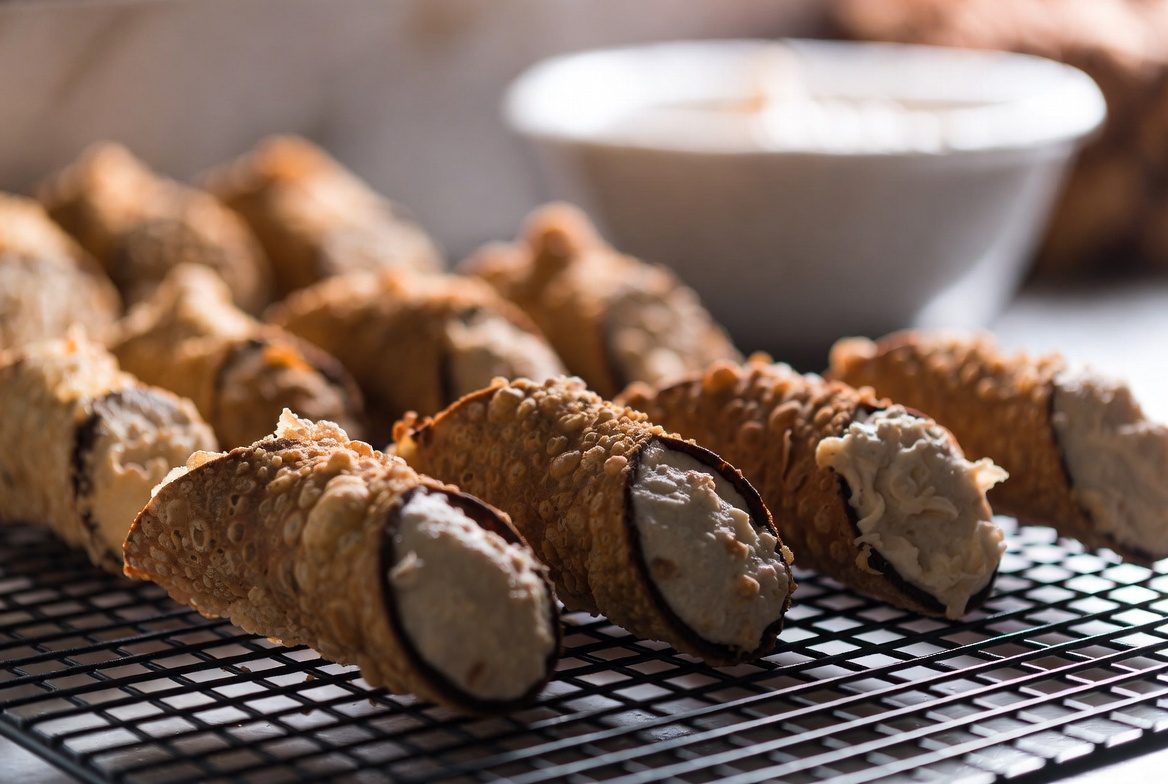
Master the Art: Authentic Italian Cannoli Recipe unveiled begins with crafting the perfect crispy shells that form the foundation of this beloved Sicilian treat. These golden tubes delight with their delicate crunch, while the luscious ricotta filling bursts with pure Italian flavor. whether you’re recreating a cherished family tradition or discovering cannoli for the first time, this guide invites you to indulge in every step-from the dough to the final garnish, delivering authenticity in every bite.
🕒 Prep and Cook Time
- 🧂 Planning: 40 minutes
- Resting (dough chill time): 1 hour
- 🔥 Frying: 15 minutes
- Assembly: 20 minutes
- ⏳ Total Time: Approximately 2 hours 15 minutes
🍰 Yield
 🍽️ Makes 12 classic cannoli (servings)
👩🍳 Difficulty Level
Medium – Ideal for home cooks looking to elevate their dessert repertoire.
🧺 Ingredients
- For the Cannoli Shells:
- 🌾 1 ¾ cups all-purpose flour, sifted
- 🍚 2 tablespoons granulated sugar
- 🧂 ¼ teaspoon fine sea salt
- 🍫 1 tablespoon unsweetened cocoa powder (optional, for traditional speckled look)
- 🥚 1 large egg
- 🧈 2 tablespoons unsalted butter, softened
- 🍷 / 💧 / 🥛 ½ cup dry white wine substitute: sparkling water or milk to keep it alcohol-free
- 🧪 Vegetable oil, for deep frying
- For the Ricotta Filling:
- 🧀 2 cups whole milk ricotta, drained overnight in a fine mesh
- 🍚 ¾ cup powdered sugar, sifted
- 🌼 1 teaspoon pure vanilla extract
- 🌿 ½ teaspoon ground cinnamon
- 🍫 ¼ cup mini dark chocolate chips
- 🍊 Zest of 1 organic orange (optional for brightness)
- For Garnish:
- 🥜 Chopped pistachios
- 🍚 Additional powdered sugar, for dusting
- Fresh mint leaves (optional)
🪄 instructions
1️⃣ Prepare the Dough: In a bowl, whisk together flour, sugar, salt, and cocoa powder (if using). Add the egg and butter, then gradually pour in the sparkling water (or milk) while mixing until a cohesive dough forms.
2️⃣ Knead and rest: Turn the dough onto a floured surface and knead for 8-10 minutes until smooth and elastic.Wrap in plastic wrap and chill for at least 1 hour-this rest relaxes the gluten, ensuring crispness upon frying.
3️⃣ Roll and cut: Divide dough into two portions. Roll each out on a lightly floured surface until very thin (about 1/16 inch). Cut into 5-by-3-inch ovals or rectangles, perfect to wrap around cannoli tubes.
4️⃣ Shape Shells: Wrap each dough piece tightly around a prepared cannoli tube, sealing edges with a tiny bit of water or beaten egg.


5️⃣ Heat Oil: In a deep pot, heat vegetable oil to 350°F (175°C). Use a candy thermometer for precise temperature to avoid greasy shells.
6️⃣ Fry Shells: Carefully lower the dough-wrapped tubes into the hot oil, frying for about 2-3 minutes until golden and blistered. Turn halfway for even cooking. Remove with tongs and drain on paper towels. Let cool before gently slipping off the metal tubes.
7️⃣ Prepare Filling: In a chilled bowl, whisk ricotta, powdered sugar, vanilla, and cinnamon until smooth and creamy. fold in chocolate chips and orange zest, if using. Keep refrigerated until assembly.
8️⃣ Fill Cannoli: Using a pastry bag or spoon, carefully pipe or spoon the ricotta filling into each shell from both ends to completely fill the tube.
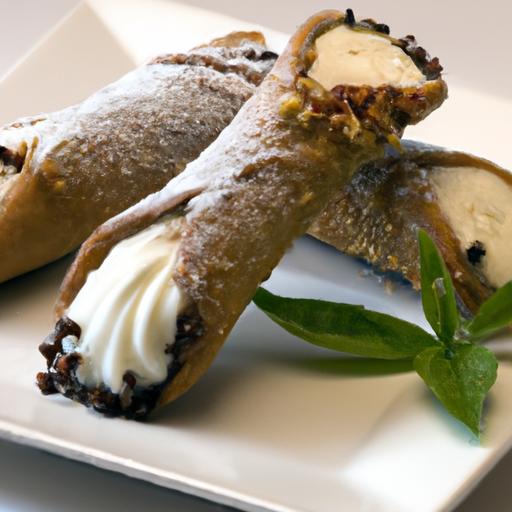
9️⃣ Garnish and Serve: Dip ends into chopped pistachios, dust with powdered sugar, and add a fresh mint leaf for color contrast and aromatic freshness.
💡 Tips for Success
- Drain ricotta well: Excess moisture results in soggy filling and watery texture. Use fine mesh overnight or press gently with paper towels.
- Chill dough thoroughly: Cold dough fries better,producing crisp shells that hold their crunch without breaking.
- Maintain oil temperature: Too cool leads to greasy shells; too hot burns the dough. Use a thermometer and adjust heat as needed.
- Fill just before serving: Cannoli shells quickly absorb moisture and lose crispness; assemble no more than 30 minutes before eating.
- Variations: Swap mini choc chips for finely chopped candied citrus peel or gently toss ricotta with toasted almonds for a nutty twist.
🍽️ Serving Suggestions
Present your cannoli on a beautifully decorated platter with contrasting garnishes like vibrant pistachios and fresh mint leaves. Sprinkle a light dusting of powdered sugar moments before serving for that final irresistible touch. Pair these with an espresso or a luminous citrus sorbet to complement the creamy sweetness and textural harmony of each bite.
| Nutritional Info (per cannolo) | Calories | Protein (g) | Carbs (g) | Fat (g) |
|---|---|---|---|---|
| Shell | 120 | 2 | 18 | 5 |
| Filling | 180 | 6 | 15 | 10 |
| Total | 300 | 8 | 33 | 15 |

For a further dive into Italian desserts that celebrate tradition and bold flavors, explore our Classic Italian Tiramisu Recipe. Or learn more about ricotta’s heritage and uses at Serious Eats’ Ricotta Guide.


🧠: Master the Art: Authentic Italian Cannoli Recipe Unveiled
Q1: What makes an Italian cannoli truly authentic?
A1: Authentic Italian cannoli are defined by their crisp, golden-brown pastry shells and a creamy, slightly sweet ricotta cheese filling. The shells must be perfectly fried to achieve a delicate crunch, while the filling should be smooth, rich, and lightly enhanced with traditional flavors like vanilla, citrus zest, or a hint of cinnamon. Authenticity lies in this harmonious balance of textures and flavors,rooted deeply in Sicilian culinary tradition.
Q2: What type of ricotta should I use for the filling?
A2: For the creamiest, most luscious filling, choose fresh, whole-milk ricotta. It’s crucial to drain it well to remove excess moisture, which can make the filling runny and less stable. The best ricotta will be smooth and slightly sweet on its own,serving as the perfect canvas for gentle flavorings like orange zest or tiny chocolate chips.
Q3: Can I make cannoli shells from scratch, or should I buy them pre-made?
A3: making cannoli shells from scratch is a rewarding way to truly master this classic dessert. Homemade shells bring a fresh crunch and authentic flavor that pre-made ones often lack. Plus, crafting your own lets you control ingredients and avoid preservatives. the key is to roll the dough thin, fry it to a crisp golden hue, and shape it tightly around metal cannoli tubes before frying.
Q4: How do I keep cannoli shells crunchy when filled?
A4: To maintain that signature crunch, fill your cannoli shell as close to serving time as possible. the ricotta filling’s moisture can soften the shell quickly, so wait to fill them just before presentation. If you must prepare in advance, keep shells and filling separate, then assemble shortly before enjoying for the best texture.Q5: What are some traditional flavorings or garnishes for the filling?
A5: Classic additions include finely chopped candied orange peel, tiny dark chocolate chips, or a sprinkle of cinnamon. For the finishing touch, dust each cannolo with powdered sugar and optionally dip the ends in chopped pistachios or more chocolate chips to add texture and visual appeal.Q6: Are there any tips for frying the shells perfectly?
A6: Absolutely! Heat your oil to approximately 350°F (175°C) for optimal frying.Too hot,and the shells brown too quickly; too cool,and they become greasy. Fry the shells just until golden and crisp, typically about 2-3 minutes. Use metal cannoli forms for sturdy shaping and roll the dough thin enough to become light and crispy but not so thin it breaks easily.Q7: Can the filling be made ahead of time?
A7: yes! The ricotta filling can be prepared a day in advance and stored in the refrigerator. This not only saves time but also allows the flavors to meld beautifully. Just be sure to stir it well before filling your shells to restore its creamy texture.Q8: What’s the history behind cannoli in Italian culture?
A8: Cannoli originated in Sicily and were traditionally served during Carnevale, Italy’s pre-Lenten festival celebrating indulgence before fasting. Their crescent-shaped shells symbolize fertility and abundance,making them a symbol of joy and celebration.Over centuries, this dessert has become a beloved symbol of Sicilian heritage worldwide.
Q9: Can I customize the filling for a unique twist while staying true to tradition?
A9: Certainly! While the classic ricotta base remains central, you can add subtle flavors such as vanilla bean, lemon zest, or a sprinkle of cinnamon to personalize your cannoli. Small additions like toasted nuts or a few finely chopped dried fruits can also complement the creaminess without overpowering the traditional profile.
Q10: What common mistakes should I avoid when making cannoli?
A10: Key pitfalls include overfilling the shells, which can cause them to crack; frying at the wrong temperature, leading to greasy or burnt shells; and using wet ricotta without draining it properly, making the filling too runny.patience during dough rolling and controlled frying will elevate your cannoli from good to extraordinary!
Dive into this timeless italian delight with confidence, and let each bite transport you to the sunny shores of Sicily-where crisp shells meet velvety ricotta, crafting a dessert masterpiece you’ll be proud to share.
👨🍳 The Way Forward
As you close the chapter on this culinary journey,remember that mastering authentic Italian cannoli is more than just following a recipe-it’s about embracing a tradition steeped in rich flavors and heartfelt craftsmanship. With each crispy shell and creamy filling you create, you’re not only honoring generations of artisans but also adding your own touch to this beloved Sicilian masterpiece. So roll up your sleeves, gather your ingredients, and let the timeless art of cannoli-making transform your kitchen into a celebration of heritage and taste. Buon appetito!