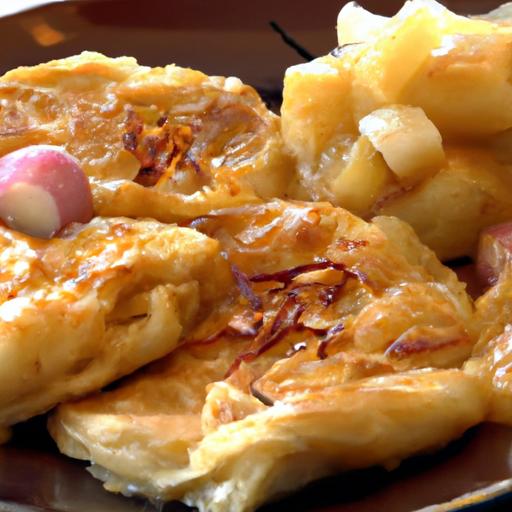

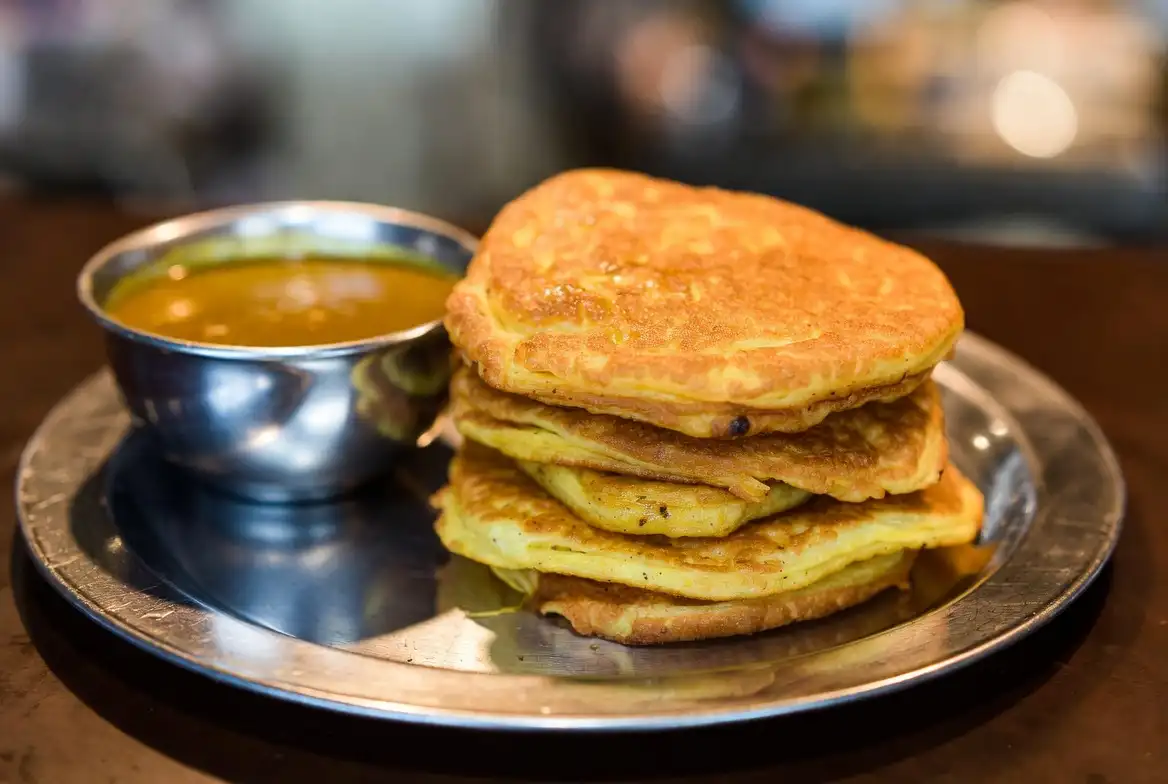
In the bustling streets and cozy corners of malaysia, a humble yet irresistible culinary treasure weaves together history, culture, and flavor-Roti Canai. This flaky, golden flatbread, with its delicate layers and crispy edges, is more than just a breakfast staple; it is indeed a delicious testament to Malaysia’s rich multicultural tapestry. Born from the melding of Indian techniques and local ingredients, Roti Canai invites food lovers on a sensory journey, where each bite unravels stories of heritage and tradition. join us as we explore the origins, planning, and enduring appeal of this iconic dish that continues to delight palates across Malaysia and beyond.
Origins and Cultural Importance of Malaysian Roti Canai
Malaysian roti canai stands as a testament to the rich, multicultural tapestry that defines Malaysia’s culinary heritage. Rooted in Indian Muslim cuisine, this flaky flatbread made its way to Malaysia through Tamil Muslim immigrants and quickly became beloved street food across the nation.More than just bread, roti canai symbolizes communal gatherings, shared meals during Ramadan, and the everyday joy of mfusing simple ingredients into a crispy, tender masterpiece. Each bite captures a deep connection to tradition, crafted with an artisanal technique passed down through generations.
Its cultural significance is profound; roti canai is a culinary bridge connecting Malay, Indian, and Chinese flavors and customs. It’s often enjoyed alongside dhal curry, sambal, or sugar-each accompaniment telling its own story of Malaysia’s diverse food landscape. This roti isn’t merely food; it’s heritage in edible form, embodying the warmth of malaysian hospitality and the artistry of humble ingredients.
The Art of Crafting Flaky Layers and Perfect Texture
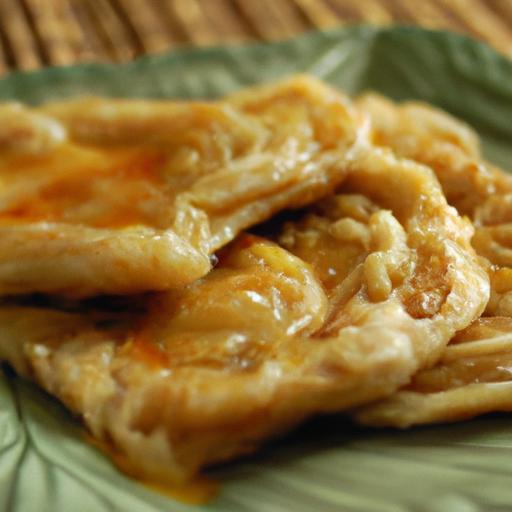
What truly elevates Malaysian roti canai is the delicate technique that creates its iconic flaky layers and soft inside. The magic lies in the dough’s elasticity, achieved by a generous kneading process combined with rest periods to develop the gluten network. After resting,the dough is skillfully stretched and spun until almost transparent,then folded multiple times to trap thin layers of fat and air. Cooking on a hot, greased griddle develops a gorgeously crisp, golden exterior with an irresistible chewiness inside.
Mastering this artisanal skill requires patience and practice, but the outcome is supremely rewarding. Optimal texture balances between crunch and softness, with each flake promising an explosion of buttery, comforting flavor. When pressed correctly, the dough’s layers puff slightly during cooking, creating pockets that capture curry sauces or a simple drizzle of condensed milk.
Exploring customary and Modern Flavor Variations
While the classic Malaysian roti canai is loved for its simplicity, modern culinary creativity has inspired myriad variations. Traditional pairings include dhal curry, chicken curry, or curry fish, emphasizing deep, spiced notes that complement the bread’s mild buttery flavor. For a sweeter twist, try roti canai with kaya spread-a luscious coconut jam-or a drizzle of palm sugar syrup and a dusting of grated coconut.
Contemporary chefs have introduced fillings like bananas, eggs, or even cheese to the dough before folding, bridging familiar tastes with innovative textures. Savory fillings featuring minced chicken, spicy rendang, or mushroom stuffing provide a heartier meal option. For adventurous palettes,roti canai topped with contemporary dips such as spicy peanut sauce or infused with aromatic herbs shows how this humble bread continues evolving while respecting its roots.
Top Recommended spots to Savor Authentic Roti Canai
- Restoran Valentine’s, Kuala Lumpur – Famous for their perfectly thin and crisp roti canai paired with rich dhal.
- Transfer Road Roti Canai, Penang – A bustling street stall acclaimed for its flaky layers and freshly made curries.
- Mamak stalls Nationwide – These open-air eateries are the heart of authentic roti canai culture, serving fast and affordable varieties 24/7.
- Roti Canai Terbang Taman Megah, Petaling Jaya – Known for its skillful “flying” technique in dough stretching and innovative fillings.
Exploring these spots offers more than just a meal-it’s an immersion into Malaysian daily life and traditional culinary craftsmanship.
prep and Cook Time
- preparation: 20 minutes (plus 1 hour resting time)
- Cooking: 15 minutes
- Total Time: 1 hour 35 minutes
Yield
serves 4-6 people (makes 8-10 roti canai)
Difficulty Level
Medium – requires time and technique for dough handling
Ingredients
- 3 cups all-purpose flour, sifted
- 1 tsp salt
- 1 tbsp sugar
- 1 cup warm water (approximate)
- 2 tbsp ghee (or melted unsalted butter), plus extra for cooking
- ½ cup evaporated milk
- Vegetable oil for frying
Instructions
- Combine dry ingredients: In a large bowl, stir together the sifted flour, salt, and sugar.
- Mix wet ingredients: Add warm water, evaporated milk, and ghee to the dry ingredients. stir well to form a soft dough.
- Knead the dough: Turn dough onto a lightly floured surface and knead for 8-10 minutes until smooth and elastic.
- rest the dough: Shape dough into a ball, coat lightly with oil, cover with a damp cloth, and let it rest for at least 1 hour to relax the gluten.
- Divide dough: After resting, divide dough into 8-10 equal balls and brush each with ghee or oil.
- Stretch the dough: On a clean, flat surface, gently stretch each ball into a thin, almost translucent circle (about 12 inches diameter). Be patient – this takes gentle hands and practice.
- Fold layers: Fold each stretched dough into thirds to form a rectangle, then fold again into a square to trap air layers inside.
- Heat the griddle: Preheat a flat skillet or tawa over medium heat, grease lightly with oil or ghee.
- Cook roti: Place folded dough on the hot griddle, cook for 2-3 minutes on each side until golden brown and crisp, pressing lightly with a spatula for even cooking.
- Serve hot: Remove from heat, gently fluff layers, and serve immediately with your choice of curry or sugar.
Chef’s Notes and Tips for Success
- Resting is key: Allowing the dough to rest ensures easier stretching and flakier layers.
- Oil generously: Using ghee or oil while folding and cooking locks in moisture and richness.
- Don’t rush stretching: The thinness of the dough defines the quality of flaky layers-think like a delicate veil.
- Make ahead: Dough balls can be refrigerated overnight; bring to room temperature before stretching.
- For gluten-free: Try substituting part of the flour with rice flour but expect a change in texture.
Serving Suggestions
The quintessential way to enjoy this dish is with a warm bowl of dhal or chicken curry. For a simple, comforting treat, drizzle with sweetened condensed milk or serve alongside a scoop of kaya jam. Garnish with freshly chopped coriander or finely sliced green chilies to add a touch of freshness and heat. Pair with a hot cup of teh tarik (pulled tea) for an authentic Malaysian experience.
| Nutritional Info (per serving) | Calories | Protein | Carbs | Fat |
|---|---|---|---|---|
| Roti Canai (1 piece) | 220 kcal | 5 g | 30 g | 8 g |
For a deeper dive into traditional Malaysian dishes, check out our Malaysian curry recipes guide. To explore the history and global influence of Indian breads, visit Britannica’s Roti entry.
Q&A
Q&A: Malaysian Roti Canai – Flaky Delight of Heritage and Flavor
Q1: What exactly is Roti Canai and what makes it unique in Malaysian cuisine?
A1: Roti Canai is a beloved Malaysian flatbread known for its crispy,flaky layers and soft,chewy inside.Unlike typical flatbreads, it’s skillfully hand-flipped and stretched into a thin sheet before being folded and cooked on a griddle. This technique creates a delicate, buttery texture that perfectly balances crispness and tenderness-a true culinary marvel reflecting Malaysia’s rich multicultural heritage.
Q2: Where did roti Canai originate from, and how did it become a Malaysian staple?
A2: Roti canai’s roots trace back to Indian immigrants, specifically the South Indian paratha, brought to Malaysia through historical trade and migration. Over time, the dish was embraced and adapted by Malaysians of various backgrounds, evolving into a unique fusion that’s now a national favorite enjoyed across all ethnic groups and social settings-from humble street stalls to upscale cafes.
Q3: What ingredients are commonly used to make authentic Roti Canai?
A3: the heart of Roti Canai is a simple dough made from wheat flour, water, finely ground salt, and a generous amount of ghee or oil to achieve that signature flaky texture. Some recipes incorporate a bit of condensed milk or sugar to add subtle sweetness, but the essence lies in the dough’s meticulous handling and pan-frying technique rather than complex ingredients.
Q4: How is Roti Canai traditionally served and enjoyed?
A4: Traditionally, Roti Canai is served piping hot, accompanied by a bowl of spicy dhal (lentil curry) or various types of curries like chicken or vegetable curry. The combination of crispy bread dipped into savory, fragrant curry creates a harmony of textures and flavors that’s comforting and deeply satisfying. It’s also common to find sweet versions, paired with condensed milk or sugar for a delightful contrast.
Q5: Are there popular variations of Roti Canai across malaysia?
A5: Absolutely! Variations abound, including Roti Telur (filled with egg), Roti Kaya (spread with coconut jam), and Roti Planta (slathered with margarine or butter). regional differences sometimes add cheese, bananas, or other fillings, each adding a local twist to the classic. These adaptations showcase malaysia’s creativity and love for layering flavors.
Q6: What role does Roti Canai play in Malaysia’s cultural and social landscape?
A6: Beyond being a delicious dish, Roti Canai is a social experience that unites people over breakfast, lunch, or late-night meals. it’s commonly found in “mamak” stalls-open-air eateries run by Indian-Muslim communities-where friends and families gather to share stories and enjoy hearty food in a vibrant atmosphere.The dish exemplifies malaysia’s spirit of inclusiveness and communal joy.
Q7: Can Roti Canai be enjoyed by people with dietary restrictions?
A7: While the classic recipe contains wheat flour and ghee, which is clarified butter, many establishments offer variations catering to dietary needs. For those avoiding dairy, some stalls use vegetable oil instead of ghee.Gluten-free versions are less common but are gaining interest as culinary innovation grows. Always inquire at local eateries for specific adaptations.Q8: What’s the best way to experience Roti Canai for someone visiting Malaysia for the first time?
A8: To truly savor Roti Canai, seek out a bustling mamak stall where the action of skilled roti-flippers fills the air with a tempting aroma. Ordering it with dhal and a side of teh tarik (pulled tea) creates an authentic experience steeped in tradition. Watching the rhythmic folding while chatting with locals adds flavor beyond the dish-a genuine taste of Malaysian hospitality.Q9: Can Roti Canai be made at home, or is it best left to the experts?
A9: While making Roti Canai at home is possible, it requires practice to master the dough-stretching and folding technique that creates its flaky layers. Home cooks can enjoy experimenting with recipes and find joy in the process, but nothing quite replicates the expert skill and lively ambiance of a Malaysian street stall. For the adventurous, it’s a rewarding culinary journey.
Q10: Why has Roti Canai retained its popularity across generations in Malaysia?
A10: Roti Canai’s enduring appeal lies in its simplicity, versatility, and comforting flavors that resonate universally. It is deeply woven into Malaysia’s daily life and cultural identity, offering a taste that’s nostalgic yet ever-adaptable. As both a humble comfort food and a canvas for culinary creativity,Roti Canai continues to capture hearts and palates across generations.
To Wrap It Up
As the golden layers of Malaysian roti canai continue to crisp and curl on griddles across the nation, they tell a story much richer than their flaky texture suggests-a story of heritage, cultural fusion, and the simple joy of breaking bread together. More than just a breakfast staple or a street-side snack, roti canai is a living testament to Malaysia’s vibrant history and its people’s enduring love for bold, comforting flavors. Whether enjoyed with a steaming bowl of dhal, dipped in spicy curry, or savored plain, this humble flatbread invites you to experience a delicious chapter of Malaysia’s culinary tapestry-one flaky, buttery bite at a time.