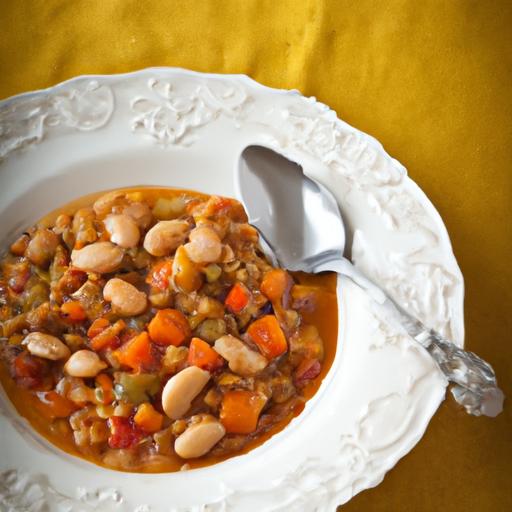

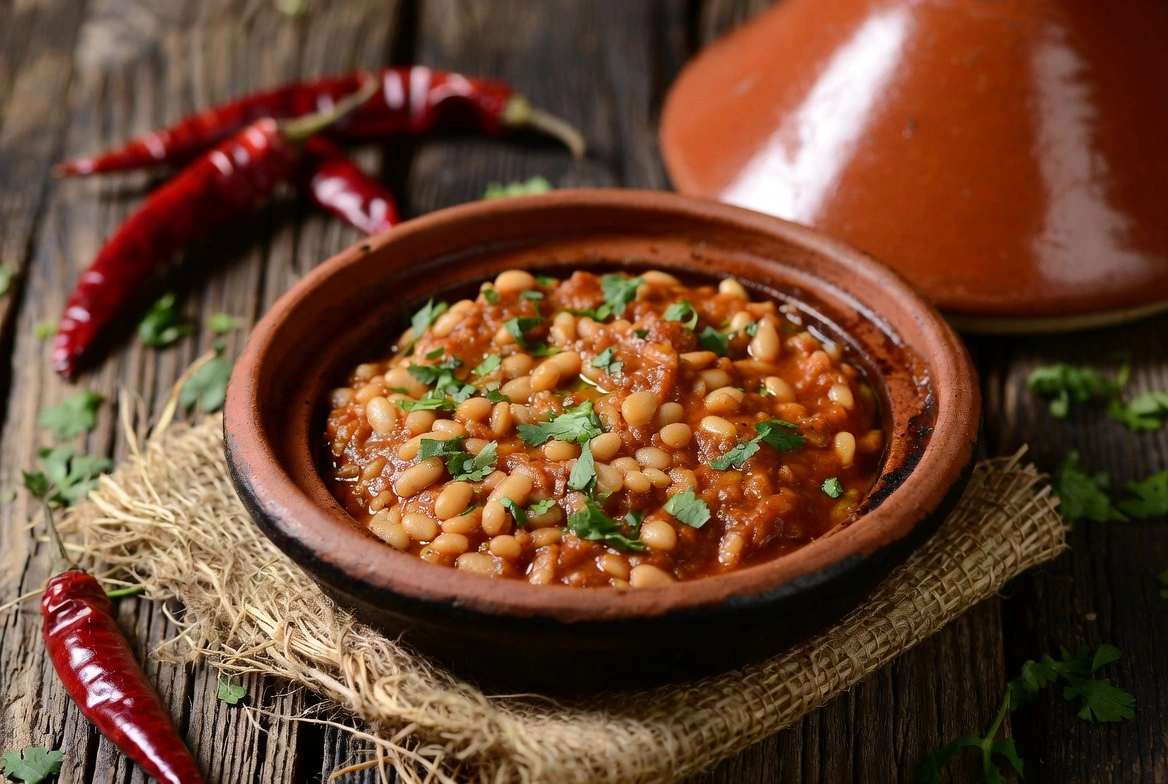
nestled in teh heart of Moroccan kitchens and bursting with warmth and flavor, Loubia Delight is more then just a white bean stew-its a culinary embrace steeped in tradition and comfort. This hearty dish tells a story of sun-kissed fields where beans ripen, of fragrant spices that dance on the tongue, and of generations who have savored its simple, nourishing goodness. Join us as we explore the rich heritage, vibrant ingredients, and soul-soothing essence of Morocco’s beloved Loubia, a stew that transforms humble white beans into an unforgettable feast of taste and culture.
Loubia Delight is a celebration of Morocco’s rich culinary heritage, a hearty white bean stew that warms both body and soul. Rooted deeply in Moroccan traditions, this dish combines humble ingredients with bold spices, crafting an aromatic stew that tells stories from bustling medinas to peaceful village kitchens. every forkful delivers a tender embrace of creamy white beans simmered in a vibrant tomato and fragrant herb broth-a truly soulful experience that captures the essence of Moroccan hospitality.
Prep and Cook Time
- Preparation: 15 minutes
- Cooking: 1 hour 20 minutes
- Total Time: 1 hour 35 minutes
Yield
Serves 6 generous portions
Difficulty level
Medium – Perfect for weekend cooks eager to explore Moroccan flavors
A Closer Look at Traditional Ingredients and Flavor Profiles
The soul of this dish lies in the synergy between plump white beans and a vibrant spice blend. The white beans, typically dried and soaked beforehand, provide a creamy base that soaks up layers of warmth from cumin, paprika, garlic, and a pinch of cayenne for gentle heat. The rich tomato base is enlivened by fresh cilantro and flat-leaf parsley, while a touch of olive oil adds silkiness to the stew’s texture. A traditional sprinkle of caraway seeds occasionally graces the pot, adding an earthy, almost citrusy undertone. This stew balances simplicity with complexity, embodying Moroccan culinary artistry.
Ingredients
- 2 cups dried white beans (such as cannellini or great northern), soaked overnight and drained
- 3 tablespoons olive oil
- 1 large onion, finely chopped
- 4 cloves garlic, minced
- 1 ½ cups crushed tomatoes (canned or fresh)
- 1 ½ teaspoons ground cumin
- 1 teaspoon smoked paprika
- ½ teaspoon ground cinnamon
- ¼ teaspoon cayenne pepper (adjust to taste)
- 1 teaspoon caraway seeds (optional)
- 4 cups vegetable broth or water
- Salt and freshly ground black pepper to taste
- ½ cup fresh flat-leaf parsley, chopped
- ½ cup fresh cilantro, chopped
- Juice of 1 lemon
Step by Step Guide to Preparing the Perfect Loubia Stew
- Soak and Prep Beans: Rinse the soaked white beans thoroughly. This ensures thay soften evenly and reduce cooking time.
- Sauté Aromatics: in a large heavy-bottomed pot,heat the olive oil over medium heat. Add the chopped onion and cook until translucent and soft, about 7 minutes, stirring frequently to avoid browning.
- Add Garlic and Spices: Stir in the minced garlic, cumin, smoked paprika, cinnamon, cayenne, and caraway seeds (if using). Sauté gently for 1-2 minutes until fragrant but not burnt, carefully stirring to release the spices’ aromas.
- Incorporate Tomatoes: Pour in the crushed tomatoes, stirring to combine. Let the mixture simmer for about 5 minutes, allowing the tomatoes to mellow and blend with the spices.
- Cook the beans: Add the drained beans to the pot and pour in the vegetable broth. Increase the heat to bring the stew to a gentle boil, then reduce to low and cover partially.
- Simmer to Tenderness: Let the stew simmer gently for approximately 1 hour to 1 hour 15 minutes, stirring occasionally to prevent sticking. Beans should be tender but intact. Add salt halfway through cooking and adjust to taste at the end.
- Finish with Herbs and Lemon: Stir in the chopped parsley, cilantro, and the fresh lemon juice for brightness. let simmer uncovered for 5 more minutes to marry the flavors.
- Final Taste and Adjust: Check seasoning once more, adding freshly ground black pepper or more lemon juice if desired for a lively finish.
Chef’s Notes and tips for Success
- For a quicker option, canned white beans can be substituted-add them in the last 20 minutes of cooking to prevent over-softening.
- To deepen flavors,sauté a diced green bell pepper along with the onions at the beginning.
- Soaking beans overnight or at least 8 hours substantially improves digestibility and texture.
- Use fresh herbs generously; they brighten the stew and add needed freshness.
- Stews like Loubia taste even better the next day once the flavors have melded fully.
- Remember to stir occasionally and add broth or water as needed if the stew thickens excessively.
Pairing Suggestions and Serving tips for an Authentic Experience
Serve this Loubia delight steaming hot, accompanied by fluffy Moroccan couscous or crusty khobz bread to soak up the luscious sauce. Garnish with a wedge of lemon and a sprinkling of freshly chopped parsley for visual freshness. A simple side salad of sliced cucumbers and tomatoes dressed with olive oil, lemon, and mint can balance the stew’s richness beautifully.
For a complete Moroccan experience, pair your meal with a refreshing mint tea- the national symbol of hospitality-or a cold glass of freshly squeezed orange juice.


| Nutrient | Per Serving |
|---|---|
| Calories | 280 kcal |
| Protein | 18 g |
| Carbohydrates | 40 g |
| Fat | 5 g |
For further exploration of Moroccan flavors,check out our guide to traditional tagines and deepen your culinary journey.
Q&A
Q&A: loubia Delight – Exploring Morocco’s hearty White Bean Stew
Q1: What is Loubia,and why is it significant in Moroccan cuisine?
A: Loubia,also known as Moroccan white bean stew,is a beloved dish rooted deeply in the daily life and culinary traditions of Morocco. It’s a warm,comforting stew crafted from tender white beans simmered with a harmonious blend of spices,tomatoes,and aromatic herbs. Celebrated for its simplicity and hearty nature, Loubia reflects Morocco’s rich agricultural heritage and the communal joy of sharing food.
Q2: What are the typical ingredients used to make authentic Loubia?
A: At the heart of Loubia are creamy white beans, usually soaked overnight and cooked until soft. The base includes sautéed onions and garlic, combined with fresh tomatoes or tomato paste for a rich, tangy foundation. Essential spices such as cumin, paprika, black pepper, and a touch of cayenne bring warmth and depth, while fresh cilantro or parsley adds bursts of herbaceous brightness. Olive oil and a pinch of salt complete the ensemble.Q3: How is Loubia traditionally prepared?
A: Traditionally, Loubia begins with soaking the beans to ensure a tender texture.The onions and garlic are gently sautéed until fragrant, releasing their sweet, mellow flavors. Tomatoes and spices join the pot, simmering slowly with the beans to allow the flavors to meld and develop a velvety broth.Often cooked in a tagine or heavy pot, Loubia is best enjoyed piping hot, served with crusty bread or fluffy couscous for a nourishing meal.
Q4: Are ther regional variations of Loubia within Morocco?
A: Yes, Moroccan cuisine is wonderfully diverse, and Loubia reflects regional nuances. In some areas, cooks add hints of preserved lemon or a dash of saffron for an elevated aromatic experience. Others might incorporate chopped green chilies for a subtle kick. While herbs and spices shift subtly from north to south, the soul of Loubia-as a simple, hearty bean stew-remains steadfast and cherished throughout the country.
Q5: Can Loubia be enjoyed by vegetarians and vegans?
A: Absolutely! Loubia is inherently plant-based and has long been a staple for vegetarian and vegan households in Morocco. Its rich texture and robust spice profile make it a satisfying choice for those seeking wholesome, meat-free meals without compromising flavor or soulfulness.
Q6: what occasions or meals is Loubia typically served for?
A: Loubia is a versatile dish, commonly served during family dinners, especially on cooler days when its warmth is most comforting. It also features during Ramadan, providing hearty nourishment after a day of fasting. Whether as a main course or a side dish, Loubia invites sharing and connection around the table-a true embodiment of Moroccan hospitality.
Q7: how can someone outside Morocco bring the essence of Loubia to their kitchen?
A: Start with high-quality white beans and fresh spices to build layers of flavor.Embrace the slow-simmering process-it’s key to unlocking the stew’s rich, comforting character. Experiment with garnishes like fresh herbs or a drizzle of fragrant olive oil. Pair Loubia with warm bread or grains, and allow yourself to savor both the taste and the story simmering in every spoonful.
Q8: What makes Loubia stand out compared to other bean stews around the world?
A: Loubia’s charm lies in its balance of simplicity and aromatic complexity. Unlike bean stews that rely heavily on meat or cream, Loubia celebrates humble ingredients elevated by Moroccan spices and slow cooking. Its deep-rooted cultural meaning, combined with its nourishing and accessible nature, makes it a uniquely enchanting dish that captures the heart of Moroccan home cooking.
Wrapping Up
As the fragrant steam rises from a bowl of Loubia Delight, it carries with it more than just the rich aromas of simmered white beans and spices-it tells a story of Morocco’s vibrant culinary heritage and the warmth of its communal tables. This humble stew, both hearty and comforting, invites us to slow down and savor the simple pleasures of wholesome ingredients transformed through tradition. Whether enjoyed in a bustling Marrakech medina or recreated in your own kitchen, Loubia remains a timeless reminder that some of the most profound flavors in life come from dishes rooted in history, culture, and the joy of sharing a meal. so next time you seek nourishment for body and soul, let Loubia Delight be your delicious gateway to Moroccan warmth and flavor.