
In the vast universe of pantry staples,few ingredients boast the humble versatility adn nourishing power of lentils. Often overlooked or relegated to the back of the cupboard, these tiny pulses are quietly packed with protein, fiber, and a wealth of culinary potential waiting to be unleashed. “Lentils Unlocked: A Simple Guide to Perfectly Cooked Pulses” invites you on a flavorful journey-demystifying the art of cooking lentils to tender perfection while preserving their rich texture and subtle earthiness. Whether you’re a seasoned cook or a curious newcomer, this guide will transform the way you approach lentils, turning them from a simple side dish into the star of your meals. LetS unlock the secrets and elevate your pulse game, one perfectly cooked lentil at a time.
Lentils unlocked reveal a world of culinary possibilities that can elevate everyday cooking into a vibrant exploration of texture,aroma,and nutrition. Choosing the right lentil variety is your first step to mastering these beloved pulses, each boasting unique characteristics shaped by their origin and culinary tradition.Whether you’re crafting a hearty stew, a silky dal, or a refreshing salad, understanding which lentil to pick ensures perfect results every time.
Prep and Cook Time
- preparation: 10 minutes (including rinsing and optional soaking)
- Cooking: 20-40 minutes depending on lentil variety
Yield
Serves 4 generously as a main dish or side.
Difficulty Level
Easy to Medium – suitable for cooks at any skill level.
Ingredients
- 1 cup green lentils (rinsed and soaked if preferred)
- 4 cups filtered water or vegetable broth
- 1 medium onion, finely chopped
- 2 garlic cloves, minced
- 1 tsp ground cumin
- 1 tsp smoked paprika
- 1 bay leaf
- Salt and freshly ground black pepper, to taste
- 2 tbsp extra virgin olive oil
- Fresh cilantro or parsley, chopped (for garnish)
- Optional: 1 chopped carrot or celery stalk for enhanced flavor
Instructions
- Rinse and Soak: Place the lentils in a colander and rinse thoroughly under cold water to remove dust and debris. For firmer lentils with preserved shape, soak them in cold water for 1 hour. For softer, creamier texture, skip soaking but expect slightly longer cooking.
- Sauté Aromatics: Heat olive oil in a heavy-bottomed saucepan over medium heat. Add onion and sauté until translucent, about 5 minutes. Stir in garlic, cumin, paprika, and diced carrot or celery if using; cook for an additional 2 minutes until fragrant.
- Simmer Lentils: Drain soaked lentils and add them to the pan along with the bay leaf. Pour in the vegetable broth or water, bringing the mixture to a gentle boil.Reduce heat to low and simmer uncovered.
- Cook to Texture: Depending on the variety, lentils require between 20 to 40 minutes. Green and brown lentils hold their shape well,ideal for salads and stews,while red and yellow lentils break down faster,perfect for creamy dals. Stir occasionally to prevent sticking.
- Season Late: Add salt only during the last 10 minutes of cooking to avoid toughening the lentil skins.
- Drain and Rest: once tender but intact, remove from heat and discard the bay leaf. Let lentils rest for 5 minutes to absorb flavors fully.
Tips for Success
- Variety Matters: For a rustic salad, choose French Puy lentils that boast a peppery bite and firm texture.If velvety soups are your goal, split red lentils cook quickly and dissolve beautifully.
- Perfect Soaking: While lentils generally do not require soaking like other legumes, a short soak reduces cooking time and enhances digestibility-key for those sensitive to pulses.
- Avoid Overcooking: Stay attentive in the final minutes. Overcooked lentils become mushy and lose their distinct texture. Using a timer and sampling frequently ensures ideal tenderness.
- Flavor Layering: Toast whole spices like cumin seeds or coriander in the pan before adding aromatics for deeper flavor. Finish with a splash of good-quality lemon juice or a dash of smoked paprika for brightness.
- Make-Ahead: Cooked lentils store well in the refrigerator for up to 5 days and freeze beautifully,making them an easy protein base for quick weeknight meals.
Serving Suggestions to Elevate Your Pulses
Lentils are a canvas for vibrant flavors and can be transformed effortlessly from humble to remarkable. Serve them warm tossed with fresh herbs, a drizzle of extra virgin olive oil, and toasted nuts for texture contrast. For a Mediterranean twist, accompany with roasted vegetables and couscous. In Indian kitchens, they shine best garnished with a tempering (tadka) of mustard seeds, curry leaves, and dried chilies sizzling in oil.
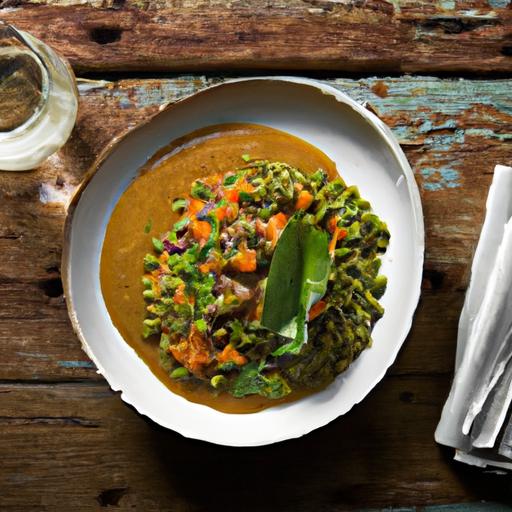
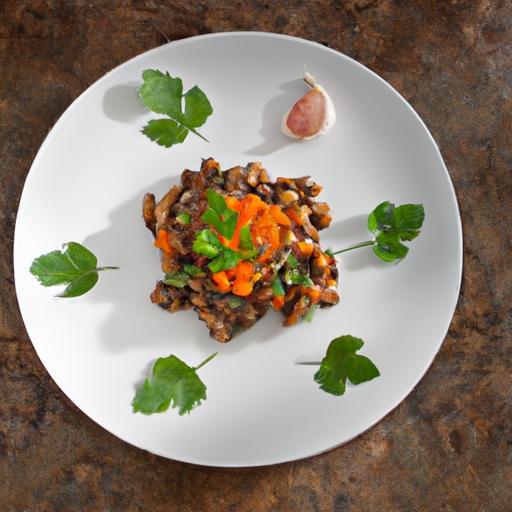
A fresh squeeze of citrus or a spoonful of tangy yogurt creates delightful balance, while crunchy garnishes like pomegranate seeds or toasted pumpkin seeds add visual and textural appeal. The emerald greens of chopped cilantro,the ruby-red glisten of seeds,and the golden-orange hues of spiced lentils make the plate irresistible.

| Nutrient | Per 1 cup cooked lentils |
|---|---|
| Calories | 230 kcal |
| Protein | 18 g |
| Carbohydrates | 40 g |
| Fat | 0.8 g |
For a deeper dive into pulse-based recipes and creative culinary ideas, explore our Ultimate Pulse Recipes. Also, learn more about the nutritional powerhouse that lentils offer on Healthline’s thorough guide.



Q&A
Q&A: Lentils Unlocked – A Simple Guide to Perfectly cooked Pulses
Q1: Why are lentils considered a nutritional powerhouse?
A1: Lentils are tiny nutritional dynamos packed with protein, dietary fiber, iron, and an array of vitamins and minerals. They provide sustained energy and help support digestion, making them a perfect staple for health-conscious eaters and anyone looking to add plant-based goodness to their meals.
Q2: What’s the difference between the main types of lentils?
A2: Lentils come in various colors and textures! Brown lentils hold their shape and are great in soups. Green lentils are a bit peppery with a firm texture, making them ideal for salads. Red and yellow lentils cook quickly and tend to become soft and creamy, perfect for dals and purees. Black beluga lentils are small, dense, and almost caviar-like, bringing an elegant touch to dishes.
Q3: Do lentils need to be soaked before cooking?
A3: Unlike many pulses,most lentils don’t require soaking. they’re quick-cooking and can go straight into the pot after a quick rinse. however, rinsing them well removes surface dust and any small stones, ensuring a clean, fresh start for your dish.
Q4: What is the best method to cook lentils perfectly every time?
A4: Simple is best. Use about three cups of water or broth for every cup of lentils, bring to a boil, then simmer gently until tender.Cooking times vary: red lentils take around 15 minutes, while green and brown might need 20-30 minutes. Keep the lid askew to avoid boiling over and stir occasionally for even cooking.
Q5: How can you avoid mushy or undercooked lentils?
A5: To keep lentils from turning to mush, avoid overcooking and test them early and often for texture. For firmer lentils-great in salads-start tasting around the 15-minute mark. If they need softening, continue simmering but check every few minutes. Conversely, if you find they’re still tough after the recommended time, little patience and additional simmering will do the trick.
Q6: Can you add salt or acidic ingredients during cooking?
A6: It’s best to add salt or acidic ingredients like tomatoes, lemon juice, or vinegar after the lentils have softened.Adding them too early can toughen the lentils’ skins and prolong cooking time. Season toward the end to enhance flavor without compromising texture.
Q7: What are some creative ways to enjoy cooked lentils?
A7: Lentils are kitchen chameleons! Toss them into vibrant salads with fresh herbs, roast them with spices for crunchy snacks, blend them into hearty soups, turn them into veggie patties, or use as a comforting base for curries and stews. their earthy flavor pairs beautifully with garlic, cumin, turmeric, fresh citrus, and aromatic herbs.
Q8: How should cooked lentils be stored?
A8: Cool cooked lentils to room temperature and store them in an airtight container in the fridge for up to five days. For longer life, freeze them in portioned containers for up to three months, then simply thaw and reheat as needed. This makes meal prep a breeze!
Unlocking the secrets to perfectly cooked lentils proves that cooking pulses can be both simple and rewarding. With minimal fuss, you can transform these humble legumes into the star of your plate, nourishing your body and delighting your taste buds.
The Conclusion
As you embark on your lentil-cooking adventures armed with these simple tips, remember that mastering pulses is more than just following a recipe-it’s about unlocking a world of nutrition, flavor, and culinary creativity. Whether you’re simmering a hearty stew or tossing tender lentils into a vibrant salad, each perfectly cooked pulse brings its own story to the table. So, let lentils be your versatile, humble kitchen companion, ready to nourish both body and soul. With this guide in hand, your journey to pulse perfection is just beginning-one simmer, stir, and savor at a time.