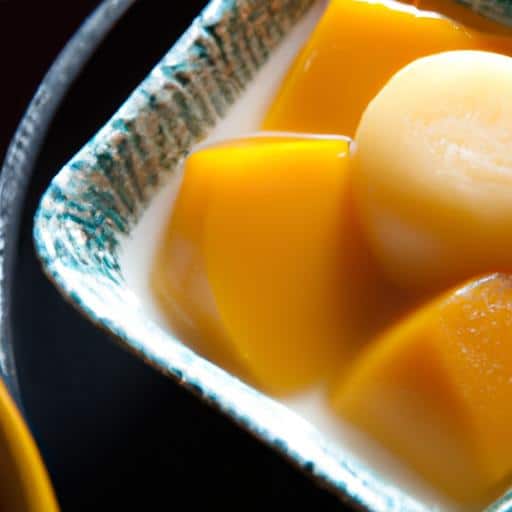


There’s something magical about the way mango’s tropical sweetness dances with the chewy,pillowy texture of mochi-a harmony that’s both exotic and comforting. Imagine biting into a delicate, translucent rice cake that bursts with luscious, sun-ripened mango, creating a symphony of flavors and textures that delight your senses with every bite.Welcome to the world of Mango Mochi, a sweet fusion that captures the essence of summer in each tender morsel. In this article, we’ll guide you step-by-step on how to bring this irresistible treat into your own kitchen, blending tradition with tropical flair to craft a dessert that’s as fun to make as it is indeed to eat. Whether you’re a mochi aficionado or a curious culinary explorer, get ready to embark on a flavorful journey that proves homemade mango mochi is not only possible but simply unforgettable.
Sweet Fusion starts with selecting the perfect mango varieties that promise ultimate sweetness and a satisfying texture. Choosing your mango wisely transforms ordinary mochi into a burst of tropical delight with every bite. Mangos are wonderfully diverse, but for this recipe, look for varieties with vibrant color, rich aroma, and a creamy texture that melds beautifully into the soft mochi wrap.
Prep and Cook time
- Readiness: 25 minutes
- Cooking: 10 minutes
- total Time: 35 minutes
Yield
- 12 mango mochi pieces
Difficulty level
- Medium
Ingredients
- For the Mochi Dough:
- 1 cup glutinous rice flour (mochiko), sifted
- ½ cup granulated sugar
- ¾ cup water
- 1 tbsp vegetable oil, plus extra for dusting
- 1 tbsp corn starch or potato starch (for dusting and shaping)
- For the Mango filling:
- 2 large ripe Alphonso or ataulfo mangos, peeled and diced finely
- 1 tbsp freshly squeezed lemon juice
- 1 tbsp honey or agave syrup (optional, to enhance natural sweetness)
Instructions
- Choosing and Prepping the Mango: Begin by peeling and dicing your mango into small, uniform cubes to ensure the filling has a perfect, smooth texture with bites of sweetness and a slight tang from the lemon juice. Toss the mango with lemon juice and honey; set aside to marinate gently while you prepare the mochi dough.
- Mastering the Mochi Dough: In a microwave-safe bowl, whisk together the sifted glutinous rice flour, sugar, and water until smooth. Stir in the vegetable oil to create a silky batter.
- cover loosely with plastic wrap and microwave on high for 1 minute. Stir briskly with a wet spatula, then microwave for 1 more minute. Repeat this step until the dough becomes translucent and sticky but not dry-typically three intervals total.
- sprinkle your work surface generously with corn starch. Transfer the hot mochi dough onto it, dusting the top with more starch to prevent sticking. Let it cool just enough to handle.
- Crafting the Ideal Mango Filling: Using your hands dusted with starch, pinch off a golf-ball-sized portion of mochi dough and flatten it gently into a disc.
- Place about a tablespoon of mango filling in the center of each mochi disc and carefully wrap the dough around it.Pinch and seal the edges to form a smooth ball.
- Set each shaped mochi on a starch-dusted tray, spacing them apart to prevent sticking.
- Expert Storage Tips: Store the mochi in an airtight container lined with parchment paper at room temperature for up to 24 hours. For longer storage,refrigerate and allow to come to room temperature before serving.Avoid freezing, as it alters the mochi’s silky texture.
Tips for Success in Your Sweet Fusion Journey
- Variety Matters: Alphonso and Ataulfo mangos are top choices due to their intense sweetness and buttery texture, perfect for balancing the chewiness of mochi.
- Consistent Texture: Be patient when microwaving the dough and stirring in intervals – this step is crucial for silky soft mochi dough.
- Dust Liberally: Using sufficient cornstarch while shaping prevents frustration from sticky dough.
- Adjust Sweetness: Modify honey or sugar quantities depending on your mango’s ripeness for a balanced flavor.
- Make-Ahead: Prepare the mango filling a few hours in advance to deepen the flavor, enhancing your Sweet Fusion experience.
Serving Suggestions
Present your mango mochi on a minimalist wooden board or a luminous ceramic plate to showcase the vibrant golden filling peeking out from the translucent mochi skin. Garnish with toasted coconut flakes or edible flowers for a tropical touch and a subtle crunch. Pair with a refreshing jasmine or green tea to complement the natural sweetness and cleanse your palate.
| Nutrition (per mochi piece) | Amount |
|---|---|
| Calories | ninety |
| Protein | 1g |
| Carbohydrates | 22g |
| Fat | 0.5g |

For a deeper dive into mochi varieties and shaping techniques, explore our detailed guide. And for insights on mango nutrition and sourcing,visit Fresh From Florida Mango Council.
Q&A
Q&A: sweet Fusion – How to Make Irresistible Mango Mochi at Home
Q1: What exactly is mango mochi, and why is it gaining so much popularity?
A1: Mango mochi is a delightful fusion dessert that marries the chewy, pillowy texture of traditional Japanese mochi with the vibrant, juicy sweetness of ripe mangoes.It’s becoming a favourite because it offers a refreshing tropical twist on a classic treat, making it both fun to eat and visually stunning. The contrast between the tender mochi exterior and the luscious mango filling creates a bite that’s simply irresistible.
Q2: Do I need any special equipment to make mango mochi at home?
A2: Not at all! Making mango mochi can be surprisingly simple. basic kitchen tools like a microwave-safe bowl, a spatula, plastic wrap, and a sieve are usually enough. For shaping, you might want small round molds or simply your hands dusted with starch to keep the mochi from sticking. No fancy gadgets are mandatory-just a little patience and love.


Q3: What type of mango is best for this recipe?
A3: The best mango for mochi is one that’s perfectly ripe-fragrant, juicy, and sweet but not overly mushy. Varieties like Ataulfo (Honey mango), Alphonso, or Kent are fabulous choices because of their creamy texture and intense flavor. Using underripe mangoes can make the filling less flavorful, while overripe fruit might turn too soft to handle easily.
Q4: How can I prevent the mochi from sticking to my hands or tools during preparation?
A4: Mochi naturally has a sticky surface, so dusting your hands, work surface, and utensils with cornstarch or potato starch is key. This simple step creates a thin barrier that prevents the mochi from clinging and makes shaping much smoother. Just be careful not to use too much starch to avoid a powdery taste.
Q5: Can I make mango mochi vegan and gluten-free?
A5: Absolutely! Traditional mochi is naturally gluten-free as it’s made from glutinous rice flour (which, despite the name, contains no gluten). For vegan mango mochi, simply avoid any animal-derived ingredients like dairy. The recipe typically uses coconut milk or water, so it naturally aligns with vegan and gluten-free diets.
Q6: How long will homemade mango mochi keep fresh?
A6: For the best texture and flavor, enjoy mango mochi the day it’s made, ideally within 24 hours. If you need to store it, keep the mochi tightly wrapped in plastic wrap in an airtight container in the refrigerator for up to 2 days. note that refrigeration can cause the mochi to firm up, so letting it come to room temperature before eating is recommended. freezing is possible, but the texture may change slightly upon thawing.Q7: Is it possible to get creative with mango mochi flavors or fillings?
A7: Certainly! While the mango filling shines on its own, you can experiment by blending mango with other tropical fruits like passion fruit or pineapple for a tangy boost. Alternatively, adding a hint of coconut cream or a sprinkle of toasted sesame seeds inside can elevate the flavor profile. The chewy mochi wrap is your playground-don’t hesitate to infuse fun, fruity combinations!
Q8: What makes mochi dough different from regular dough, and how do I handle it properly?
A8: Mochi dough is made from glutinous rice flour mixed with sugar and liquid (water or coconut milk), then cooked until it turns into a sticky, stretchy mass. Unlike traditional wheat doughs, mochi is incredibly soft, elastic, and sticky, which requires a gentler touch. Handling it with well-starched hands and tools, and working quickly, are essential tips to keep your mochi manageable and perfectly tender.
Q9: Can I use frozen mango chunks for the filling?
A9: Yes, frozen mango chunks can work well, especially if fresh mangoes aren’t in season. Just make sure to thaw and drain them thoroughly to avoid excess moisture, which could make the mochi soggy. Mashing the mango to a smooth or chunky puree depends on your preferred filling texture. Using frozen mango is a handy way to enjoy this dessert any time of the year!
Q10: Where can I find glutinous rice flour for making mochi?
A10: Glutinous rice flour, sometimes labeled as sweet rice flour or mochiko, is widely available at Asian grocery stores, health food shops, and online retailers. Be sure to pick the glutinous type-not regular rice flour-as the sticky, chewy texture of mochi depends on this special flour.
Enjoy crafting your own batch of mango mochi and delight in each sweet, tropical bite!
Key Takeaways
As you wrap up your sweet journey into the world of mango mochi, remember that this delightful fusion of creamy mango and chewy rice cake isn’t just a treat-it’s a celebration of flavors and textures that dance on your palate. Making mango mochi at home opens the door to endless creativity, whether you tweak the sweetness, experiment with fillings, or share your handmade treasures with loved ones. So next time the craving hits, armed with this recipe and a sprinkle of curiosity, you’re ready to craft your own batch of irresistible mango mochi-a taste of tropical bliss wrapped in a soft, chewy embrace. Happy mochi-making!