
there’s somthing truly magical about turning simple, wholesome ingredients into a dish that feels both comforting and luxurious. Homemade ricotta ravioli embodies this culinary alchemy, where delicate pockets of tender pasta cradle creamy, dreamy ricotta filling in every bite. Whether you’re a seasoned cook looking to expand your repertoire or a curious beginner eager to dive into the world of Italian cooking, crafting ricotta ravioli from scratch is a rewarding adventure. In this step-by-step guide,we’ll unravel the art and technique behind making these delightful parcels,transforming your kitchen into a trattoria and your dinner table into a party of homemade goodness. Get ready to roll up your sleeves and embrace the beauty of slow, mindful cooking-your taste buds will thank you.
Crafting Homemade Ricotta Ravioli: A Step-by-Step Guide
Crafting homemade ricotta ravioli offers a flavorful journey into Italian culinary tradition, combining silky smooth filling with tender, handcrafted pasta. This recipe embodies the art of comfort food elevated to a gourmet experience, where every bite reveals a perfect balance of creamy ricotta and delicate pasta dough. Inspired by authentic family gatherings, this dish invites you to slow down and embrace the joy of creating ravioli from scratch, a rewarding process that will delight both your senses and your loved ones.
Prep and Cook Time
- Readiness: 40 minutes
- Cooking: 6-8 minutes
- Total Time: 46-48 minutes
Yield
Makes approximately 24 ravioli (serves 4 as a main course)
Difficulty Level
Medium – perfect for adventurous home cooks looking to master classic Italian pasta-making techniques.
Ingredients
- For the Ricotta filling:
- 1 ½ cups whole-milk ricotta cheese, well-drained
- ½ cup freshly grated Parmigiano-Reggiano
- 1 large egg yolk
- 1 teaspoon finely grated lemon zest
- Salt to taste (about ½ teaspoon)
- freshly ground black pepper, to taste
- For the Handmade Pasta Dough:
- 2 cups all-purpose flour, sifted (plus extra for dusting)
- 3 large eggs, at room temperature
- 1 tablespoon olive oil
- ½ teaspoon fine sea salt
Instructions
- Prepare the Ricotta Filling: In a medium bowl, gently mix ricotta cheese, Parmigiano-Reggiano, egg yolk, and lemon zest. Season with salt and black pepper. Stir just until smooth and creamy.Cover and refrigerate to enhance flavors while preparing the dough.
- Make the Pasta Dough: On a clean surface, mound the flour and create a well in the centre. Crack eggs into the well,add olive oil and salt. Using a fork, gradually incorporate flour from the edges, mixing until dough begins to form.
- Knead the dough: With floured hands,knead the dough vigorously for about 8-10 minutes until smooth,elastic,and slightly tacky. Wrap in plastic wrap and let rest for at least 30 minutes at room temperature.
- Roll Out the Dough: Divide dough into two equal portions.Using a pasta machine or rolling pin, roll each piece into thin sheets about 1/16 inch thick. Dust with flour as needed to prevent sticking.
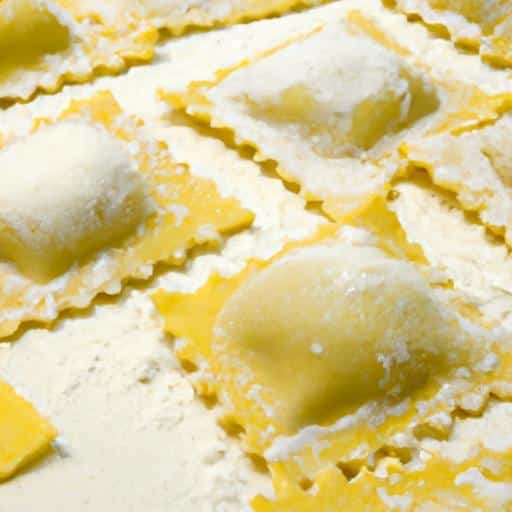
- Assemble the Ravioli: Place teaspoons of ricotta filling spaced evenly on one sheet.Lightly brush around filling with water to help seal. lay the second sheet over the first, gently pressing around mounds to expel air and seal edges.
- Cut and Seal: Using a pastry cutter or sharp knife, cut into squares or rounds.Press edges with fingers or a fork to ensure a tight seal, preventing filling leakage during cooking.
- Cook the Ravioli: Bring a large pot of salted water to a gentle boil. Carefully drop ravioli in batches, cooking for 3-4 minutes or until thay float and are tender. Remove with a slotted spoon and drain well.
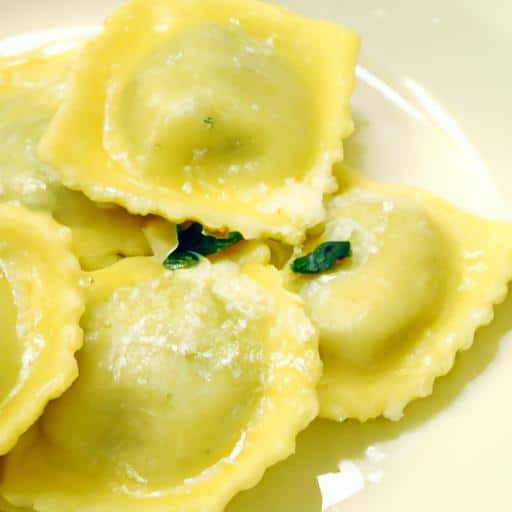
- Serve: Toss cooked ravioli lightly with browned sage butter or a simple tomato sauce.Garnish with grated Parmigiano and fresh herbs.
Chef’s notes and Tips for Success
- Drain the ricotta thoroughly by placing it in a fine sieve over a bowl for at least 1 hour to avoid watery filling.
- Resting the dough is essential-it allows gluten to relax, making rolling easier and resulting in tender pasta.
- For extra elasticity, replace ¼ cup of flour with semolina flour to add a subtle texture.
- If you don’t have a pasta machine, a rolling pin works well-roll slowly and turn frequently enough for even thickness.
- Press out any trapped air carefully between filling pockets to avoid bursting during cooking.
- Make-ahead: Freeze uncooked ravioli on parchment-lined trays, then transfer to airtight bags for up to 1 month. Cook directly from frozen adding an extra minute to boil time.
Serving Suggestions to Elevate Your Homemade Dish
Present your ricotta ravioli simply and elegantly to showcase the tender pasta and creamy filling. A classic sage and browned butter sauce is an unbeatable companion-saute fresh sage leaves in golden butter until crisp and pour over the ravioli for a fragrant finish.
For a fresh touch,sprinkle with toasted pine nuts and a scatter of microgreens or torn basil leaves.A light drizzle of high-quality extra virgin olive oil and a sprinkle of flaky sea salt enhances the richness without overpowering the delicate flavors.
Consider pairing with a crisp arugula and cherry tomato salad dressed in lemon vinaigrette to balance richness with refreshing acidity.


Nutritional Information per Serving
| Calories | Protein | Carbohydrates | Fat |
|---|---|---|---|
| 320 kcal | 15 g | 35 g | 12 g |
Discover more pasta-making techniques in our Guide to Fresh Pasta Sheets and deepen your Italian cooking skills. For further insights on ricotta cheese selection and storage tips, visit Serious Eats.
Q&A
Q&A: Crafting Homemade Ricotta Ravioli – A Step-by-Step Guide
Q1: What makes homemade ricotta ravioli different from store-bought versions?
A1: Homemade ricotta ravioli bursts with fresh flavors and a tender, silky texture that’s hard to replicate in store-bought packs. When you craft your own, you control every ingredient, from the silky dough to the creamy filling, resulting in a truly personalized and mouthwatering experience.Q2: What are the essential ingredients for the ricotta filling?
A2: The star of the filling is fresh ricotta cheese, combined with a melody of complementary ingredients like finely grated Parmesan, a touch of fresh herbs such as basil or parsley, a hint of nutmeg, salt, and pepper. This blend gives the filling its creamy, savory, and slightly aromatic character.
Q3: Can I substitute ricotta with other cheeses in the filling?
A3: While ricotta provides that signature light and fluffy texture, you can experiment with blends incorporating mascarpone for extra creaminess or even a small amount of ricotta salata for a saltier punch. However, pure ricotta remains the classic choice for that authentic ravioli feel.
Q4: How do I prepare the pasta dough for ravioli?
A4: Traditional ravioli dough is a simple yet elegant mix of all-purpose flour, eggs, a pinch of salt, and a drizzle of olive oil. Knead until smooth and elastic, then let it rest to develop gluten for perfect rollability. The dough should be thin enough to encase the filling without tearing.
Q5: What’s the best method to seal ravioli without them bursting?
A5: To prevent bursting, brush a light layer of water or beaten egg along the edges of the dough before sealing. gently press the edges to remove air pockets and ensure a tight seal. Using a fork or ravioli cutter can give the edges a decorative finish while reinforcing the seal.
Q6: How long should I cook the ravioli once assembled?
A6: fresh ravioli cooks fast-typically just 2 to 4 minutes in boiling salted water. They’re done when they float to the surface and have a tender bite. Overcooking can make them fragile, so keep a close eye!
Q7: What are some sauce options that pair wonderfully with ricotta ravioli?
A7: Light sauces that complement rather than overpower the delicate ricotta work best-think a simple sage-infused brown butter sauce, a fresh tomato basil sauce, or a drizzle of high-quality extra virgin olive oil with a sprinkle of lemon zest for a bright contrast.
Q8: Can I prepare ravioli in advance and freeze them?
A8: Absolutely! Freeze assembled ravioli in a single layer on a baking sheet until firm-then transfer to airtight containers or bags. When ready to cook,boil from frozen,adding an extra minute or two to your cooking time.
Q9: How do I troubleshoot filling that is too wet or too dry?
A9: If the filling feels too wet and threatens soggy dough, gently drain excess moisture by wrapping the ricotta in a cheesecloth and pressing lightly. If too dry, add a small splash of cream or milk to achieve a smoother texture.
Q10: Any tips for rolling out dough to the perfect thinness for ravioli?
A10: Use a pasta machine if you have one,starting at the thickest setting and gradually thinning with each pass. If rolling by hand,divide dough into manageable portions and roll on a lightly floured surface until translucent but not tearing. The goal is balance-delicate yet sturdy enough to hold the filling without breaking.
Embark on your homemade ricotta ravioli adventure with patience and passion, and soon you’ll be delighting dinner guests with pillow-soft pockets of creamy goodness!
The Conclusion
As you savor the tender embrace of each homemade ricotta ravioli, remember that the true joy of this craft lies not only in the flavors but in the hands that shaped them. From mixing the dough to folding delicate parcels filled with creamy ricotta, every step is a testament to patience and passion. With this guide in hand, you’re equipped to transform simple ingredients into a culinary experience that delights both the senses and the soul. So roll up your sleeves, gather your ingredients, and let your kitchen become a haven where tradition and creativity merge-one ravioli at a time.