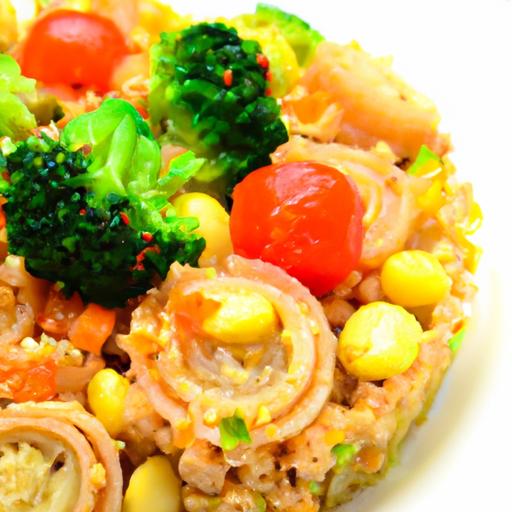
In a world where health meets flavor, nourishing your body doesn’t have too mean compromising on taste. whether you’re navigating gluten sensitivities or simply seeking wholesome, vibrant meals, embracing gluten-free cuisine opens a door to a colorful palette of ingredients and creative cooking. This article invites you to embark on a culinary journey that celebrates delicious, nutrient-rich dishes designed to fuel your body and delight your palate-proving that eating well can be both satisfying and free from gluten. Get ready to discover recipes and tips that transform everyday ingredients into wholesome masterpieces, making healthy eating an irresistible adventure.
Choosing Nutrient-Packed Ingredients for Wholesome Gluten-Free cooking
Nourish Your Body with vibrant, nutrient-packed ingredients that transform simple gluten-free meals into satisfying, wholesome feasts. Whether you’re new to gluten-free cooking or refining your approach, selecting colorful vegetables, whole grains, lean proteins, and healthy fats lays the foundation for dishes bursting with both flavor and nutrition.Embracing ingredients like quinoa, chickpeas, fresh herbs, and superfood spices boosts vitality without compromising health or taste.
Prep and Cook Time
Prep: 15 minutes | Cook: 25 minutes | Total Time: 40 minutes
Yield
Serves 4 hearty portions
Difficulty Level
Easy to Medium – perfect for gluten-free home cooks seeking bold yet accessible flavors.
Ingredients
- 1 cup quinoa,rinsed and drained
- 2 cups vegetable broth (gluten-free certified)
- 1 tablespoon olive oil
- 1 medium red bell pepper,finely diced
- 1 cup chopped kale,stems removed
- 1/2 cup canned chickpeas,rinsed and drained
- 2 cloves garlic,minced
- 1 teaspoon smoked paprika
- 1/2 teaspoon ground cumin
- Juice of 1 lemon
- Salt and pepper to taste
- Fresh parsley,chopped for garnish
Instructions
- Cook the quinoa: In a medium saucepan,combine the rinsed quinoa and vegetable broth. Bring to a boil, then reduce heat to low, cover and simmer for 15 minutes untill liquid is absorbed and quinoa is fluffy. Remove from heat and let stand covered for 5 minutes.
- Sauté the vegetables: While the quinoa cooks, heat olive oil in a large skillet over medium heat. Add minced garlic and sauté until fragrant, about 1 minute. Add diced red bell pepper and kale,cooking until kale wilts and peppers soften,roughly 5 minutes,stirring occasionally.
- Enhance flavor: Stir in the chickpeas, smoked paprika, and cumin. Cook for another 3-4 minutes, allowing spices to toast gently and blend with the veggies.
- Combine and season: fluff the quinoa with a fork and add it to the skillet. Stir well to combine all ingredients. Drizzle with lemon juice and season with salt and pepper to taste.
- Garnish and serve: Remove from heat and sprinkle freshly chopped parsley on top. Serve warm,either as a main or side dish.
Tips for Success
- For extra protein, add grilled chicken or sautéed tofu cubes before serving.
- Swap kale with spinach or Swiss chard for a milder green.
- Use low-sodium vegetable broth to control salt levels and let natural ingredients shine.
- Make ahead by preparing quinoa and sautéed vegetables separately; combine and reheat gently when ready.
- For a crunch, sprinkle toasted nuts or seeds (pumpkin seeds are excellent) just before serving.
Serving Suggestions
This nutrient-rich quinoa bowl pairs beautifully with a crisp side salad of cucumber and cherry tomatoes drizzled with a lemon-tahini dressing. for added texture and warmth, serve with gluten-free flatbread or a dollop of creamy avocado. Garnish the dish with edible flowers or microgreens to enhance the visual appeal, making your gluten-free feast as stunning as it is healthy.
| Nutrient | Per Serving |
|---|---|
| Calories | 320 kcal |
| Protein | 10 g |
| Carbohydrates | 45 g |
| fat | 7 g |

For more inspiration on gluten-free grain bowls, check out our detailed guide on Gluten-Free Grain Bowls to Fuel Your Day. To deepen your understanding of gluten-free nutrition, the Celiac Disease Foundation offers trusted resources and recipes.


Q&A
Q&A: Nourish Your Body with Delicious Healthy Gluten-Free Meals
Q1: What does it mean to eat gluten-free, and why might someone choose this lifestyle?
A: Eating gluten-free means avoiding foods that contain gluten, a protein found in wheat, barley, and rye. People may choose this lifestyle due to celiac disease,gluten sensitivity,or simply to explore a diet that can reduce inflammation and improve digestion. Going gluten-free can open the door to a variety of naturally wholesome ingredients like quinoa, legumes, fresh fruits, and vegetables.
Q2: Can gluten-free meals still be delicious and satisfying?
A: Absolutely! Gluten-free doesn’t mean flavor-free. Actually, many gluten-free ingredients like sweet potatoes, chickpeas, and nuts provide natural sweetness, creaminess, and crunch. When combined with fresh herbs,spices,and creative cooking techniques,gluten-free meals can be vibrant,nourishing,and utterly crave-worthy.Q3: How can someone ensure their gluten-free meals are also healthy?
A: Focus on whole, unprocessed foods - think leafy greens, lean proteins, healthy fats, and naturally gluten-free grains such as brown rice and millet.Avoid relying heavily on processed gluten-free packaged snacks, which may be high in sugar, sodium, and unhealthy fats. Instead, experiment with homemade dishes that balance macro and micronutrients to truly nourish your body.
Q4: what are some easy and delicious gluten-free meal ideas for breakfast, lunch, and dinner?
A:
- Breakfast: Chia seed pudding topped with fresh berries and almonds.
- Lunch: Quinoa salad with roasted vegetables, chickpeas, and a lemon-tahini dressing.
- Dinner: Grilled salmon with a side of sautéed kale and sweet potato fries.
All these options are nutrient-dense, satisfying, and naturally gluten-free.
Q5: Are there any common misconceptions about gluten-free eating?
A: One big misconception is that gluten-free equals restrictive or boring. In reality, it encourages culinary creativity and discovery. Another myth is that gluten-free products are always healthier, but that’s not necessarily true-some gluten-free processed foods can be less nutritious than their gluten-containing counterparts. Opting for whole foods is key.
Q6: How can beginners start incorporating gluten-free meals into their routine without feeling overwhelmed?
A: Start simple by swapping out gluten-containing staples for gluten-free alternatives like rice noodles, polenta, or buckwheat.Begin with familiar recipes and adapt them-like making a lasagna with gluten-free pasta or a pizza on a cauliflower crust. Gradually expanding your ingredient list and trying new gluten-free grains or flours can turn this journey into an exciting adventure.
Q7: What role does mindset play in embracing gluten-free eating for health?
A: Mindset is everything.Approaching gluten-free living with curiosity and openness transforms it into a joyful exploration of flavors and nourishment rather than a limitation. Celebrate small wins and enjoy each colorful,wholesome meal as a way to honor your body and wellness.
Autumnal hues in your bowl, a fresh burst of herbs, the crunch of toasted nuts – eating gluten-free is not just a diet, but a delicious celebration of nourishment. Ready to embrace your body’s needs with every bite? Your journey to vibrant, gluten-free health is just a recipe away.
The Way Forward
As you embark on your journey to nourish your body with delicious, healthy gluten-free meals, remember that eating well is as much about joy as it is indeed about nutrition.By embracing vibrant flavors, wholesome ingredients, and mindful preparation, you can transform every bite into a celebration of health and vitality. Whether you’re managing gluten sensitivities or simply seeking a cleaner way to fuel your day, these recipes offer a gateway to wellness that doesn’t sacrifice taste. So go ahead-explore, experiment, and savor the wholesome goodness that gluten-free living has to offer. Your body will thank you, one delicious meal at a time.