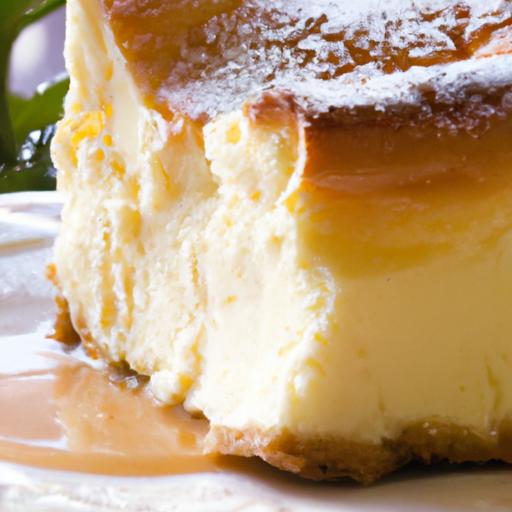

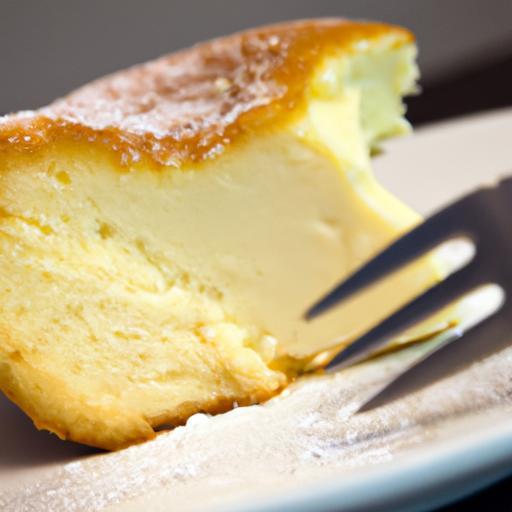
Imagine sinking your fork into a cloud-light, airy, and irresistibly tender. Japanese cheesecake, frequently enough celebrated for its ethereal fluffiness and subtle sweetness, has captured hearts worldwide. But what if we told you that achieving this delightful texture doesn’t require a pantry full of ingredients or complex techniques? Enter the “Fluffy Delight: Mastering 3-Ingredient Japanese Cheesecake,” a simplified yet sublime approach that proves less can truly be more. In this article, we’ll unravel the secrets behind this minimalist masterpiece, guiding you step-by-step to create a dreamy dessert that’s as notable as it is effortless. Whether you’re a seasoned baker or a curious novice, prepare to transform just three humble ingredients into a slice of heaven.
Fluffy Delight Japanese cheesecake, adored for its ethereal lightness and gentle sweetness, is a true marvel of simplicity and technique.Originating from Japan,this dessert transforms just three core ingredients into a cloud-like masterpiece that melts effortlessly on the tongue. The secret lies not only in the precise ingredient selection but also in the delicate folding and baking processes that coax an airy lift unlike any customary cheesecake.
Prep and Cook Time
- Preparation: 15 minutes
- Baking: 50 minutes
- Cooling: 1 hour (recommended for best texture)
Yield
Serves 6 generous slices
Difficulty Level
Easy – Perfect for both beginners and seasoned bakers aiming to master delicate textures
Ingredients
- 250g cream cheese, softened at room temperature
- 4 large eggs, separated
- 100g granulated sugar
Step-by-Step Techniques to Achieve a Light and Airy Cheesecake
- Preheat your oven to 320°F (160°C). Line an 8-inch round cake pan with parchment paper, ensuring extra height for expansion.
- Prepare a bain-marie: Place a shallow roasting pan on the lower rack to fill with hot water halfway when baking.
- Beat the cream cheese: in a large mixing bowl, whip the cream cheese until smooth and creamy, free of lumps. This base should feel light and soft.
- Incorporate egg yolks: add the egg yolks one at a time, mixing gently until fully combined and smooth. Avoid overmixing to maintain the desired texture.
- Whisk egg whites: In a separate clean bowl, use an electric mixer to beat the egg whites until foamy, then gradually add the sugar while continuing to beat until stiff, glossy peaks form.
- Fold the meringue: Gently fold one-third of the beaten egg whites into the cream cheese mixture using a rubber spatula.This lightens the base.Carefully fold in the remaining egg whites in two additions, using a gentle lifting and folding motion to preserve airiness.
- Pour batter into the prepared pan. Tap it lightly on the countertop to release any trapped air bubbles for an even texture.
- Set the water bath: Place the cake pan inside the larger roasting pan and pour hot water into the roasting pan to reach halfway up the sides of the cake pan.this gentle steam surroundings prevents cracks and dries out the delicate batter.
- Bake for 50 minutes, or until the top is golden and a toothpick inserted near the center comes out mostly clean with a few moist crumbs.
- Turn off the oven and leave the cheesecake inside with the door slightly ajar for 15 minutes to cool slowly and avoid shrinking.
Expert Tips for Baking, Cooling, and Serving Your Fluffy Delight
- Room temperature ingredients: Ensure cream cheese and eggs are at room temperature for smoother mixing and optimal texture.
- Folding technique: Incorporate egg whites gently using a spatula in a slow, sweeping motion-vigorous stirring will deflate your batter and compromise fluffiness.
- Water bath importance: Never skip the bain-marie; the moisture and gentle heat distribute evenly, preventing cracks and dry edges.
- Slow cooling: Leaving the cheesecake in the oven post-bake minimizes sudden temperature changes, locking in its tender structure.
- Serving idea: Dust with a light sprinkle of powdered sugar or serve with fresh berries and a dollop of lightly whipped cream for an elegant finish.
- Make-ahead: This cheesecake tastes even better the next day, stored covered in the fridge for up to 48 hours.
Serving Suggestions
Present slices on delicate porcelain plates, adding visual contrast with a few fresh raspberries, a sprig of mint, or a subtle drizzle of runny honey.For a more celebratory style, top each piece with a spoonful of citrusy yuzu curd or a light berry compote to enhance the tender sweetness.

| Nutrient | Per Serving |
|---|---|
| calories | 180 kcal |
| Protein | 6g |
| Carbohydrates | 18g |
| Fat | 10g |
For a deeper understanding of Japanese cheesecake’s unique texture and cultural background, consider this detailed culinary [exploration on Serious Eats](https://www.seriouseats.com/japanese-cheesecake-recipe-explained).
Explore more light and innovative dessert recipes on our Light Desserts collection for inspiration and creative twists.


Q&A
Q&A: Fluffy Delight – Mastering 3-Ingredient Japanese Cheesecake
Q1: What makes Japanese cheesecake different from traditional Western cheesecakes?
A1: Japanese cheesecake is famously light, airy, and fluffy-almost cloud-like in texture-unlike the dense and rich texture of Western cheesecakes. This delicacy achieves its signature fluffiness through a meringue base that’s gently folded into the cream cheese mixture, resulting in a soufflé-like cake that melts in your mouth.
Q2: Can you really make Japanese cheesecake with only three ingredients?
A2: Absolutely! The magic lies in selecting the right core ingredients and mastering the technique. Typically,cream cheese,eggs,and sugar form the triumphant trio.No heavy creams or elaborate mixes-just simple, high-quality components combined with delicate folding and careful baking.
Q3: What are the key steps to achieve that perfect fluffy texture?
A3: The secret is in creating a stable meringue by beating egg whites and sugar until stiff peaks form, then gently folding this into a smooth, softened cream cheese mixture. Baking in a water bath at a low temperature prevents cracking and helps the cake rise evenly, preserving its delicate airiness.
Q4: Are there any tips for preventing cracks on the cheesecake surface?
A4: Yes! Baking in a water bath is essential; the moist heat ensures gentle and even cooking. Also, avoid overmixing the batter once the meringue is folded in, and let the cake cool gradually-ideally inside the oven with the door slightly ajar-to prevent drastic temperature changes that cause cracking.
Q5: How should I serve Japanese cheesecake to highlight its best qualities?
A5: Served slightly chilled or at room temperature,Japanese cheesecake shines with a light dusting of powdered sugar or a side of fresh berries. Its airy texture pairs beautifully with a cup of green tea or a delicate floral tea, making each bite a serene experience.
Q6: Can I experiment with flavors while keeping it to three ingredients?
A6: While the core recipe is minimalist, adding subtle twists like a hint of vanilla extract or a zest of citrus can be done with minimal impact on the ingredient count-consider them optional enhancers rather than main components. The beauty lies in the simple purity of the classic three ingredients.
Q7: what common mistakes should I avoid when making this cheesecake?
A7: overbeating or underbeating the egg whites can sabotage the structure-stiff peaks are essential. Also, incorporating the meringue too roughly or too quickly will deflate those precious air bubbles. Lastly, skipping the water bath often leads to a dry, cracked surface instead of a smooth, soft finish.
Q8: Is Japanese cheesecake gluten-free by default?
A8: The classic three-ingredient Japanese cheesecake doesn’t include flour, so it’s naturally gluten-free. However, be sure to check the labels on your cream cheese and other ingredients to ensure no added gluten-containing stabilizers or fillers.
Q9: How long can I keep the cheesecake after baking?
A9: Stored in an airtight container in the refrigerator, the cheesecake maintains its flavor and texture for up to 3-4 days. Its delicate nature means it’s best enjoyed fresh, but cooling allows the flavors to meld beautifully.
Q10: Why is mastering this simple recipe worth the effort?
A10: beyond its irresistible taste and delicate texture, mastering the three-ingredient Japanese cheesecake helps develop crucial baking skills like meringue-making and gentle folding-perfect foundations for many other desserts. Plus, it’s a delightful example of how simplicity can yield impressive results!
Concluding Remarks
As you’ve discovered, the magic of the Fluffy Delight lies not in complexity, but in simplicity-just three humble ingredients coming together to create Japan’s iconic, feather-light cheesecake. Mastering this recipe opens the door to a world where minimalism meets indulgence,proving that extraordinary flavor and texture need not be complicated. so, whether you’re a seasoned baker or a curious beginner, embrace the gentle art of folding, the patient baking process, and the joy of unveiling that perfect, cloud-like slice. With each bite, you’re not just tasting a cake-you’re experiencing a delicate tradition, reimagined effortlessly in your own kitchen. Happy baking!