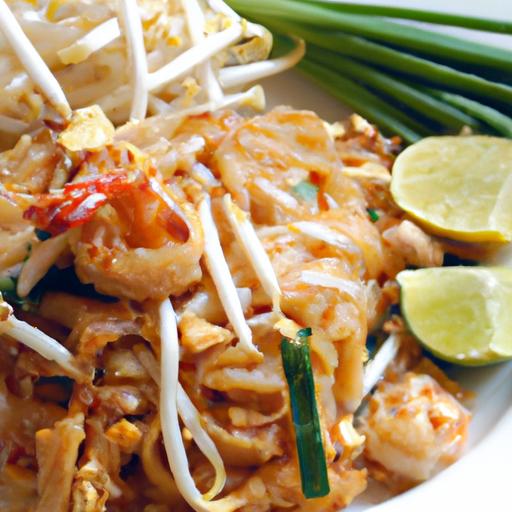

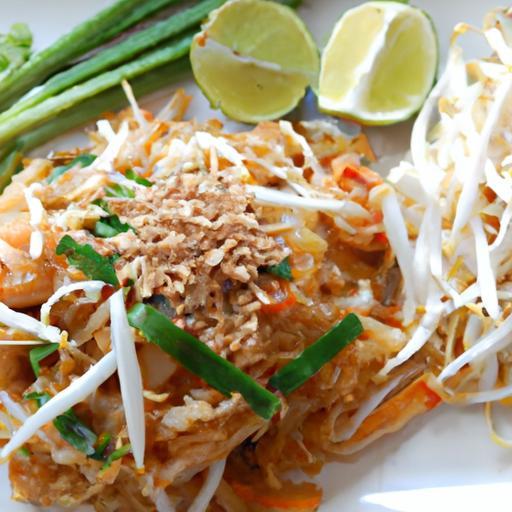
In the bustling streets of Thailand, where vibrant aromas dance through the air and flavors tell stories of heritage, Pad Thai reigns as a beloved culinary icon. But beneath its deceptively simple appearance lies a symphony of secrets-ancient traditions, balance of bold ingredients, and subtle techniques passed down through generations.If you’ve ever wondered how to recreate this authentic dish in your own kitchen-capturing its perfect harmony of sweet, sour, salty, and savory-then your about to embark on a flavorful journey. Join us as we uncover the true essence of Pad Thai, unveiling the secrets that transform everyday noodles into a timeless masterpiece.
Discover the Secrets to an Authentic Pad Thai Recipe begins with unlocking the harmony of traditional Thai ingredients that form the soul of this iconic dish. Pad Thai is not merely stir-fried noodles-it is a vibrant melody of sweet,tangy,and savory notes crafted with intention and respect for its origins.Drawing from my years as a culinary content creator and food stylist,I’ve learned the transformative power of each element,from tamarind paste to palm sugar,to achieve that unmistakably authentic taste. Let’s embark on this flavorful journey to master every detail.
Prep and Cook Time
- Preparation: 20 minutes
- Cooking: 12 minutes
- Total Time: 32 minutes
Yield
Serves 4 generous portions
Difficulty Level
Medium – Requires attention to timing and ingredient balance
Ingredients
- 200g (7 oz) dry flat rice noodles, soaked in warm water until pliable (about 20 minutes)
- 3 tbsp tamarind paste (fresh or bottled, unsweetened)
- 3 tbsp palm sugar, grated (or light brown sugar as substitute)
- 2 tbsp fish sauce
- 2 tbsp vegetable oil or neutral cooking oil
- 2 large eggs, lightly beaten
- 200g (7 oz) peeled shrimp or firm tofu cubes for vegetarian option
- 3 cloves garlic, finely minced
- 100g (3.5 oz) bean sprouts, rinsed and drained
- 4 green onions, sliced into 1-inch pieces
- 1/4 cup roasted unsalted peanuts, coarsely chopped
- 1 small red chili, finely sliced (optional)
- Fresh lime wedges, for serving
- Fresh cilantro leaves, for garnish
Instructions
- Soak the rice noodles: place the dry rice noodles in a large bowl and cover with warm water. Let them soak until soft but still slightly firm to avoid overcooking, about 20 minutes. Drain and set aside.
- Prepare Pad Thai sauce: In a small bowl, whisk together tamarind paste, palm sugar, and fish sauce until the sugar dissolves smoothly. Taste and adjust balance-aim for a distinct interplay of sweet, tangy, and salty.
- Heat the wok or large skillet: add vegetable oil and warm over medium-high heat until shimmering. Add minced garlic and sauté until fragrant (about 30 seconds), stirring constantly to prevent burning.
- Add protein: Toss in the shrimp or tofu cubes. Stir-fry until shrimp turn pink and opaque (about 2-3 minutes) or tofu is golden on all sides.
- Push ingredients to one side: Pour in beaten eggs into the open space. Allow them to set slightly, then scramble gently to soft curds, mixing with protein once cooked.
- Add noodles and sauce: Add the drained noodles, then pour your prepared pad Thai sauce evenly over. Toss vigorously but gently using tongs or chopsticks to coat each strand, cooking for about 2-3 minutes. Maintain slightly smoky sear from the wok without over-stirring.
- Incorporate vegetables: Fold in bean sprouts and green onions.Sauté for another minute-just enough to slightly wilt but keep that irresistible crunch.
- Plate and garnish: Serve hot on warm plates. Sprinkle generously with coarsely chopped roasted peanuts, thin slices of red chili for heat, and fresh cilantro leaves. Accompany with lime wedges to squeeze over just before eating.
Tips for Success
- Ingredient authenticity matters: Using genuine tamarind paste and palm sugar creates the signature depth. Avoid sugar substitutes with strong aftertastes.
- Control your heat: Keep your wok or pan hot but not smoking. Stir-frying over medium-high heat unlocks flavors without burning.
- Noodle timing is crucial: Soak noodles to just softened, then stir-fry briefly, finishing cooking via the sauce’s moisture and heat-overcooked noodles become mushy fast.
- Customize your protein: Shrimp adds a sweet briny flavor, while tofu provides a hearty vegetarian alternative without compromising authenticity.
- Preparation is half the battle: Have all elements prepped and within reach. Pad Thai cooks quickly, so timely additions keep the dish balanced.
- Make ahead: Prepare the sauce and soak noodles in advance, but stir-fry fresh to retain the ideal texture and vibrant flavors.
Serving Suggestions
Pad Thai invites an inviting presentation-serve garnished with a vivid array of peanuts, chilies, and cilantro, alongside crisp lime wedges. This creates a vibrant sensory experience as the fresh acidity from the lime brightens the rich noodles, and the roasted peanuts add a satisfying crunch. For an authentic touch, pair your dish with a crisp iced Thai iced tea or a refreshing cucumber salad to cleanse the palate.

| Nutrient | Per Serving |
|---|---|
| Calories | 420 kcal |
| Protein | 28 g |
| Carbohydrates | 45 g |
| Fat | 12 g |
For further culinary inspiration, explore our Authentic Thai Cuisine Guide and deepen your appreciation for regional flavors. To learn about tamarind’s ancient role and health benefits, visit Encyclopedia Britannica.
Q&A
Q&A: Discover the Secrets to an Authentic Pad Thai Recipe
Q1: What makes Pad Thai authentic compared to other stir-fried noodle dishes?
A: Authentic Pad thai is all about balance – the harmonious dance of sweet, sour, salty, and umami flavors combined with the signature texture of slightly chewy rice noodles. It’s not just the ingredients but the method: stir-frying over high heat,adding components in a particular sequence,and finishing with fresh toppings that create its distinctive charm.


Q2: Which noodles are best for creating that perfect Pad Thai texture?
A: Traditional Pad Thai uses thin, flat rice noodles known as sen lek. These noodles soak up the sauce beautifully while maintaining a slight bite. When selecting noodles, look for dried rice stick noodles that are about 1/8 inch in width; soaking them until just pliable but not mushy is key.
Q3: How important is the sauce, and what are its core components?
A: the sauce is the heart of Pad Thai’s signature taste. A classic blend includes tamarind paste for tanginess, palm sugar for sweetness, fish sauce for umami depth, and a touch of chili powder for heat. This blend achieves the perfect balance that makes your taste buds sing.
Q4: Can I substitute tamarind paste if I can’t find it?
A: While tamarind paste contributes a unique sour note, you can mimic its effect by mixing lime juice with a pinch of brown sugar and a splash of rice vinegar. Though, nothing quite replicates tamarind’s earthy tang, so sourcing authentic tamarind paste is highly recommended for the true flavor profile.
Q5: What proteins work best in traditional Pad Thai?
A: Shrimp and chicken are the most popular proteins used in authentic Pad Thai.Tofu is a fantastic vegetarian option that soaks up the sauce nicely and adds a creamy texture when fried crisp.Avoid adding overly heavy or strongly flavored meats that can overshadow the delicate balance of the dish.Q6: How do I achieve the perfect texture without overcooking the noodles?
A: Timing and heat are crucial! Pre-soak noodles until just soft but still firm. Stir-fry quickly over high heat, tossing constantly. Add noodles last so they warm through without becoming mushy. This rapid technique seals in the chewiness essential to authentic Pad Thai.
Q7: are peanuts really necessary, and how should they be prepared?
A: Crushed roasted peanuts provide a delightful crunch and nutty flavor that complements the dish’s softness and tanginess. Lightly roast raw peanuts separately and crush them coarsely. Sprinkle generously over the final dish just before serving.
Q8: What garnishes bring out the authentic Pad Thai experience?
A: Freshness elevates Pad Thai. Traditionally, it’s served with lime wedges for squeezing, a handful of bean sprouts for crispness, and chopped green onions for brightness. Fresh cilantro and a dash of chili flakes can also add aromatic complexity and heat.
Q9: Can I prepare Pad Thai without fish sauce?
A: Fish sauce is essential for authentic umami; though, if you prefer a vegetarian or vegan version, soy sauce combined with a touch of seaweed-based seasoning or mushroom powder can definitely help simulate that depth. Keep in mind the flavor profile will shift slightly.
Q10: What’s the secret to recreating that “street food” vibe at home?
A: It’s the energy of cooking over high heat with speed and precision, coupled with balancing flavors and textures. Use a wok or a large skillet, prep all ingredients beforehand, and stir-fry quickly while tasting as you go. The spontaneity and freshness mimic the bustling street stalls where Pad Thai was born.
Final Thoughts
As you embark on your own Pad Thai adventure,remember that the true magic lies not just in the ingredients,but in the harmony they create together-tangy tamarind,fragrant peanuts,and the perfect balance of sweet and savory. By embracing these authentic secrets, you’re not just cooking a dish; you’re honoring a rich culinary tradition that has delighted taste buds for generations.So roll up your sleeves, trust your palate, and let each stir of the wok bring you closer to mastering the art of genuine Pad Thai-one delicious bite at a time.