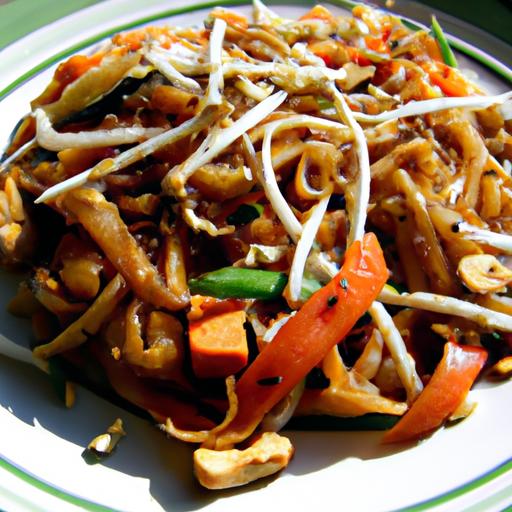

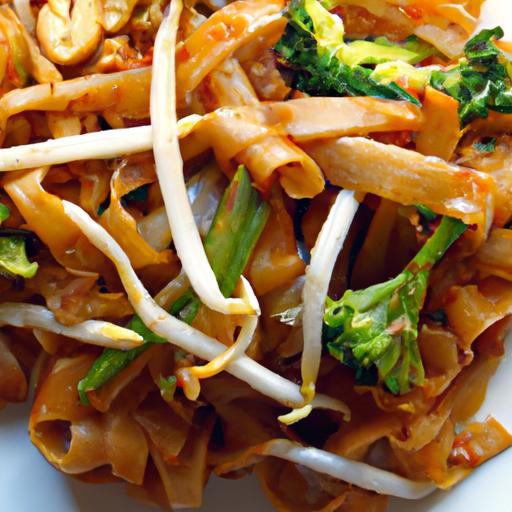
in the vibrant world of Thai cuisine,Pad Thai has long held a cherished place as a harmonious blend of tangy,sweet,and savory flavors. But what if you could savor this iconic dish in a way that’s entirely plant-based,bursting with fresh ingredients and wholesome goodness? Enter Tasty Vegan Pad Thai-a recipe that reimagines tradition with a colorful medley of vegetables,tofu,and a zestful sauce that dances on your taste buds. Whether you’re a dedicated vegan, a curious foodie, or simply looking to add more plant-powered meals to your table, this flavorful creation promises to deliver all the heart and soul of classic Pad Thai without missing a beat. Let’s dive into the art of crafting this delightful, nutritious, and irresistibly tasty dish that celebrates the essence of vegan cooking.
Delicious Vegan Pad Thai is more than just a meal-it’s a colorful symphony of flavors and textures that captures the vibrant spirit of Thailand’s street food culture. From tangy tamarind to crunchy peanuts, this dish marries contrasting tastes and mouthfeel in a way that’s both satisfying and nourishing. Whether you’re a seasoned vegan or simply exploring plant-based options, mastering this recipe will empower you to create an authentic, crave-worthy Pad Thai that’s bursting with freshness and umami in every bite.
Prep and Cook Time
- Preparation: 15 minutes
- Cooking: 15 minutes
- Total Time: 30 minutes
Yield
Serves 4 generous portions
Difficulty Level
Medium – Perfect for cooks cozy with multitasking and balancing delicate sauces.
Ingredients
- 8 oz rice noodles (medium-width,soaked in warm water for 20 minutes)
- 3 tbsp neutral oil (such as grapeseed or sunflower oil)
- 14 oz extra-firm tofu,pressed and cut into bite-sized cubes
- 3 cloves garlic,finely minced
- 1 cup firm young green beans,chopped
- 2 medium carrots,julienned
- 4 green onions,sliced thinly (whites and greens separated)
- 1/2 cup bean sprouts,rinsed and drained
- 1/4 cup roasted peanuts,roughly chopped
- 2 tbsp tamarind paste
- 3 tbsp coconut sugar
- 3 tbsp soy sauce (or tamari for gluten-free)
- 1 tbsp lime juice (freshly squeezed)
- 1 tsp chili flakes (adjust to taste)
- Optional garnish: lime wedges,fresh cilantro,extra peanuts
Instructions
- prepare the noodles: Soak the rice noodles in warm water for about 20 minutes or until pliable but still slightly firm. Drain and set aside.
- Make the sauce: In a small bowl, whisk together tamarind paste, coconut sugar, soy sauce, lime juice, and chili flakes until sugar dissolves completely. Adjust seasoning to taste.
- Cook the tofu: Heat 2 tbsp oil in a large non-stick skillet or wok over medium-high heat. Add the tofu cubes and sauté until golden and crisp on all sides, about 7-8 minutes. Remove tofu and set aside.
- Sauté aromatics and veggies: In the same pan, add the remaining 1 tbsp oil. Toss in the minced garlic and white parts of green onions, stirring quickly until fragrant (about 30 seconds). Add the green beans and carrots, cooking until just tender-crisp, roughly 3-4 minutes.
- Combine noodles and sauce: Increase heat to high and add the drained noodles to the pan.pour over the sauce mixture, gently tossing to evenly coat and heat through. Stir constantly to prevent noodles from sticking or breaking, about 3-4 minutes.
- Reintroduce tofu and fresh elements: Return tofu cubes to the skillet, gently mixing them with noodles. Fold in the bean sprouts and green onion tops, letting them warm for 1 minute without wilting.
- Serve immediately: Plate your Delicious Vegan Pad Thai and sprinkle generously with chopped roasted peanuts. Add lime wedges and fresh cilantro for vibrant finish.
Tips for Success
- Press your tofu well: Removing excess moisture ensures a crispier texture when sautéed.
- Adjust tamarind paste: Different brands vary in tartness; start with 2 tbsp and add more if needed.
- Customize crunch: Toss in sliced bell peppers or shredded cabbage for extra texture variety.
- Make ahead: Prepare the sauce and chop veggies in advance for a super quick stir-fry session.
- Noodle care: Avoid over-soaking noodles to prevent mushiness; they should finish cooking in the pan.
Serving Suggestions
Serve your Delicious vegan Pad Thai on a wide shallow plate to showcase its colorful ingredients.Garnish with extra chopped peanuts, fresh cilantro, and lime wedges on the side for customizable zest and crunch. For an authentic experience, pair with a light Thai-inspired cucumber salad or chilled coconut water to refresh the palate. For detailed pairing ideas, explore our Plant-Based thai Side Dishes article.
| Nutrient | Per Serving |
|---|---|
| Calories | 410 kcal |
| Protein | 18 g |
| Carbohydrates | 55 g |
| Fat | 12 g |

For more on authentic Thai ingredients and their benefits, visit the Thai Trip Advisor Ingredient Guide.
Q&A
Q&A: Delicious Vegan Pad Thai – A Flavorful Plant-based Recipe


Q1: What makes this vegan Pad thai recipe stand out from customary versions?
A1: This vegan Pad Thai shines by embracing the rich, tangy, and sweet flavors typical of the dish-all without animal products. Instead of fish sauce, it uses naturally savory tamari or soy sauce combined with tamarind paste and a hint of maple syrup or palm sugar, delivering the vibrant taste you crave in a wholly plant-based form. Crispy tofu and a colorful medley of fresh veggies add texture and freshness, making each bite a satisfying adventure.
Q2: How can I achieve the perfect balance of flavors in vegan Pad Thai?
A2: Balance is key! Start by blending tamarind paste (for sourness), tamari or soy sauce (for saltiness), and a touch of sweetness from maple syrup or palm sugar. Don’t forget the subtle heat of crushed red pepper flakes or fresh chili. Stir-fry garlic and shallots to infuse aroma, then combine everything just before serving. Taste as you go and adjust these elements until the sauce sings on your palate.
Q3: Which noodles work best for vegan Pad Thai?
A3: Traditionally, Pad Thai is made with thin rice noodles, also known as rice stick noodles. These noodles soak up the sauce beautifully and have that classic chewy, tender texture. Choose the thinner varieties around 1/8-inch wide to get the authentic mouthfeel. be sure to soak them properly in warm water before cooking-over-soaking can make them mushy,so keep an eye on timing!
Q4: Can I add protein to make this dish more hearty without animal products?
A4: Absolutely! Firm tofu is a vegan superstar for Pad Thai. Press and cube it, then pan-fry until golden and crisp on the edges for ideal texture. Tempeh, marinated and sliced thinly, also offers a nutty bite. For an extra protein boost, toss in some roasted peanuts or even crispy chickpeas to add crunch and depth.
Q5: What are some creative vegetable options to elevate vegan Pad Thai?
A5: Think vibrant and fresh! Classic options include julienned carrots, bean sprouts, green onions, and bell peppers. But don’t be afraid to get creative-try shredded purple cabbage, snap peas, or thinly sliced zucchini ribbons. These add visual appeal, crunch, and a refreshing balance against the warm, saucy noodles.
Q6: how do I garnish vegan Pad Thai for the best presentation and flavor?
A6: Garnishing is where your personal flair can shine! Fresh lime wedges are a must to squeeze over just before eating, adding brightness. Sprinkle chopped roasted peanuts for crunch, fresh cilantro or Thai basil for herbaceous notes, and a dusting of chili flakes if you love a kick. A side of pickled radishes or cucumber can also add a lovely contrast.
Q7: is vegan Pad Thai suitable for meal prepping? How can I store and reheat it?
A7: Yes! Vegan Pad Thai holds up well for meal prepping. Store cooked noodles and sauce separately from crunchy toppings like peanuts and herbs. Refrigerate in airtight containers for up to 3 days. When reheating, gently warm the noodles and sauce in a skillet over low heat to prevent drying out, then add fresh garnishes after plating to keep their brightness intact.
Q8: Can this recipe be made gluten-free?
A8: Definitely! Use tamari or a certified gluten-free soy sauce choice rather of regular soy sauce, and ensure your rice noodles are gluten-free (most are, but it’s good to check labels). This way, you enjoy all the bold flavors of Pad Thai without gluten worries.Q9: What tips can help beginners nail this vegan Pad Thai at home?
A9: Keep your ingredients prepped and ready-Pad Thai comes together quickly in the pan. Use a wide skillet or wok for even cooking and high heat to lightly char the tofu and veggies while preserving their crunch. Stir-fry in stages: tofu first,then veggies,noodles last. toss the sauce over everything and mix well.Trust your taste buds and adjust seasoning before serving!
Enjoy a vibrant, zesty, and utterly satisfying vegan Pad Thai that proves plant-based meals can be just as thrilling and tasty as their traditional counterparts!
In Conclusion
Whether you’re a seasoned vegan or simply looking to add more plant-based meals to your culinary repertoire, this delicious vegan pad Thai offers a vibrant burst of flavors that proves just how exciting meat-free cooking can be. From the tangy tamarind sauce to the satisfying crunch of fresh veggies and peanuts, every bite celebrates the rich, diverse world of vegan cuisine. so next time you crave a comforting, colorful dish that’s as nutritious as it is delicious, give this recipe a whirl-you might just discover your new favorite way to enjoy Pad Thai, entirely plant-based and wonderfully flavorful.