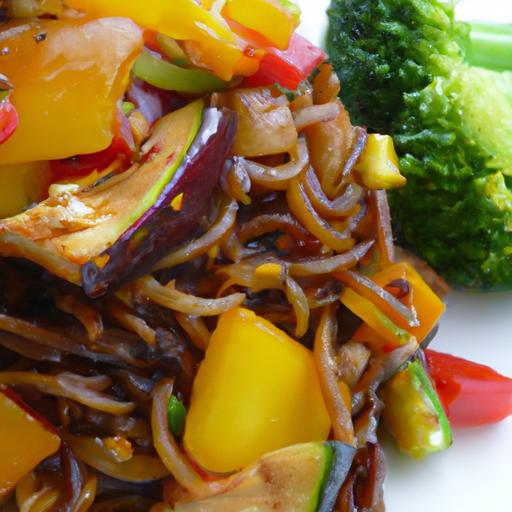

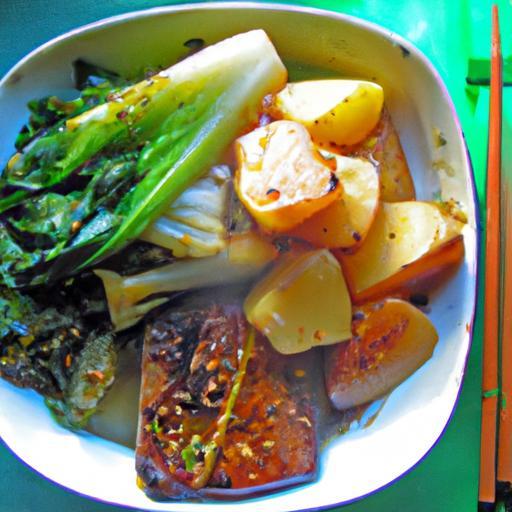
Step into a world where tradition meets innovation, and vibrant plant-based ingredients bring Japan’s culinary heritage to life. “Delicious Vegan Japanese Recipes: Authentic Flavors Made easy” invites you to explore the art of japanese cooking through a compassionate, healthful lens-without sacrificing the depth and umami that define this beloved cuisine. Whether you’re a seasoned vegan, a curious foodie, or someone seeking to add more plant-powered meals to yoru repertoire, this collection unlocks time-honored flavors wiht simplicity and flair.Get ready to master dishes that honor authenticity while celebrating the fresh, colorful bounty of nature-because savoring Japan’s iconic tastes has never been so accessible or so delicious.
Delicious Vegan Japanese Recipes: authentic Flavors Made Easy bring the heart of Japan’s culinary tradition directly into your kitchen while honoring plant-based principles. Rooted deeply in simplicity and balance, these recipes highlight timeless Japanese ingredients such as miso, kombu, shiitake mushrooms, and tamari, each bursting with natural umami. Whether warming up with a soul-soothing bowl of miso soup or rolling your own vibrant vegan sushi, you’ll find the secrets to crafting dishes that satisfy not only your taste buds but also your culinary curiosity.
Prep and Cook Time
- Planning Time: 20 minutes
- Cooking Time: 30 minutes
- Total Time: 50 minutes
Yield
Serves 4 hearty portions
Difficulty Level
Medium - perfect for home cooks ready to master essential Japanese techniques.
Ingredients
- 4 cups vegetable broth, ideally homemade or low-sodium
- 3 tablespoons white or red miso paste
- 1 piece (4-inch) kombu (dried kelp)
- 4 dried shiitake mushrooms, soaked in warm water for 20 minutes
- 1 cup cubed firm tofu, pressed
- 1/2 cup chopped scallions (green parts only)
- 1/2 cup shredded carrots
- 1 tablespoon tamari (gluten-free soy sauce)
- 1 teaspoon toasted sesame oil
- 1 sheet nori, finely sliced (optional for garnish)
- Freshly ground black pepper, to taste
Instructions
- Prepare the broth: In a medium pot, combine the vegetable broth, soaked shiitake mushrooms (including soaking water, carefully strained to remove sediment), and kombu.Heat gently over medium heat without boiling, allowing the kombu to infuse its rich minerals for 10 minutes. Remove the kombu before the broth boils to prevent bitterness.
- Add flavour enhancers: Stir in tamari and toasted sesame oil to deepen the umami profile.This subtle harmony of ingredients will serve as the backbone for your dish.
- Incorporate miso paste: in a small bowl, whisk a ladle of hot broth with miso paste until smooth.This prevents clumps and preserves the probiotic benefits. return the blended miso to the pot, lowering heat to a gentle simmer; avoid boiling as high heat harms the miso’s character.
- Add tofu and vegetables: Gently fold in the cubed tofu, shredded carrots, and chopped scallions. Simmer for 5 minutes to allow flavors to marry but keep vegetables crisp.
- Final touches: Season with freshly ground black pepper.Garnish with thinly sliced nori or an additional sprinkle of scallions before serving.
Tips for Success
- Choose quality miso: Select unpasteurized, traditionally fermented miso for the best depth of flavor and health benefits.
- Tofu texture: Press tofu for at least 15 minutes before cubing to avoid excess water diluting the soup.
- Flavor layering: Soaking shiitake mushrooms overnight intensifies umami dramatically-adjust soaking time based on your schedule.
- Kombu alternatives: If not available, substitute with dried wakame for a slightly different seaweed aroma and texture.
- Make ahead: Prepare the broth base and store refrigerated up to 3 days. Add fresh miso and delicate ingredients just before serving for freshness.
Serving Suggestions
Serve this vibrant miso soup in rustic Japanese-style bowls to elevate the home dining experience. Pair with steamed brown rice or your favorite vegan sushi rolls crafted using our step-by-step vegan sushi recipe to create a complete and wholesome meal. Garnish with a sprinkle of furikake or toasted sesame seeds for extra texture and visual appeal. A side of pickled ginger or sliced avocado complements the flavors beautifully.

Nutritional Information (per serving)
| Calories | Protein | Carbohydrates | Fat |
|---|---|---|---|
| 120 kcal | 8g | 10g | 4g |
For additional inspiration on unlocking umami flavors in plant-based dishes, check out this thorough guide to customary Japanese ingredients.Incorporate these methods to ensure your Delicious Vegan Japanese Recipes: Authentic flavors Made easy become a cherished part of your culinary repertoire.
Q&A
Q&A: Delicious Vegan Japanese Recipes – Authentic Flavors Made Easy


Q1: What defines authentic Japanese flavors in vegan cooking?
A1: Authentic Japanese flavors frequently enough revolve around umami-rich ingredients like miso, soy sauce, kombu (kelp), shiitake mushrooms, and rice vinegar. These elements create a harmonious balance of salty, sweet, sour, and savory notes, key to traditional dishes-without relying on animal products. By focusing on plant-based ingredients native to or inspired by Japan, vegan cooks can capture those deep, satisfying tastes true to the cuisine.
Q2: How can I make vegan dashi, the classic Japanese stock?
A2: Vegan dashi is simple and flavorful! Rather of fish-based stocks, use kombu (dried kelp) and dried shiitake mushrooms. Simmer these in water to extract their rich umami essence, creating a perfect base for soups and stews. This broth is light yet deeply savory, just like traditional dashi.
Q3: What are some easy vegan sushi fillings that still deliver the authentic Japanese experience?
A3: For vegan sushi,try fillings like marinated avocado,crisp cucumber,pickled daikon,sautéed shiitake,and sweet roasted sweet potato. Edamame,tofu seasoned with soy sauce and sesame,and fresh shiso leaves add variety and texture. These ingredients provide freshness, crunch, and umami, capturing the spirit of classic sushi without the fish.
Q4: Are there traditional Japanese sweets that are naturally vegan or easy to veganize?
A4: Absolutely! Many Japanese sweets, like anmitsu (a jelly dessert with fruit and sweet red bean paste) and dorayaki (pancake sandwiches filled with sweet azuki bean paste), can be made vegan-pleasant with simple swaps. for example, use plant-based milk and vegan-friendly sweeteners.Mochi, a sticky rice cake, is frequently vegan by nature, offering a chewy, delightful treat.
Q5: How do I replicate the texture of traditional Japanese tempura using vegan ingredients?
A5: The secret to perfect vegan tempura lies in the batter and the frying oil temperature. Use a light batter made from cold sparkling water and flour,sometimes with a hint of rice flour for extra crispiness. Tempura vegetables like sweet potatoes, eggplant, green beans, and mushrooms deliver that satisfying crunch and delicate, airy coating reminiscent of the classic dish.
Q6: What makes Japanese pickles (tsukemono) an significant part of a vegan meal?
A6: Tsukemono add brightness, acidity, and crunch that balance the richness of other dishes. They’re made from vegetables like daikon radish, cucumber, and cabbage, quickly or fermentatively pickled in vinegar, salt, or rice bran. These pickles enhance flavors and provide a refreshing palate cleanser, vital in a well-rounded Japanese meal.
Q7: Can you reccommend a quick vegan Japanese dish for busy weeknights?
A7: Try a simple soba noodle bowl! Cook soba noodles,then toss them with a savory sauce made from tamari (gluten-free soy sauce),grated ginger,garlic,and sesame oil. Top with scallions,toasted sesame seeds,and sautéed mushrooms or steamed greens. it’s fast, nourishing, and packed with authentic Japanese tastes.
Q8: How important is presentation in vegan Japanese cuisine?
A8: Presentation is almost an art form in Japanese cooking. The visual harmony of shapes, colors, and arrangement reflects respect for the food and invites mindfulness while eating.Even simple vegan dishes become elegant with thoughtful plating-like a neatly rolled sushi mat, a scattering of sesame seeds, or delicate garnishes such as nori strips or fresh herbs.
Q9: What staple pantry items should I stock for making vegan Japanese recipes?
A9: Essential pantry items include: miso paste, tamari or soy sauce, rice vinegar, mirin (sweet rice wine option), kombu, dried shiitake mushrooms, toasted sesame seeds and oil, soba or sushi rice, and various types of seaweed like nori. These ingredients provide the foundational flavors you’ll need to build authentic vegan dishes.Q10: how can I add umami depth to Japanese vegan cooking without animal products?
A10: Umami thrives in ingredients like miso,shiitake mushrooms,kombu,soy sauce,fermented foods (like pickles and natto),and even roasted nuts or seeds. Using these thoughtfully enhances the savory profile of your dishes, ensuring they are rich, balanced, and deeply satisfying without the need for animal-based ingredients.
Closing Remarks
From the delicate balance of miso to the vibrant freshness of seasonal vegetables, Japanese cuisine offers a treasure trove of flavors that perfectly lend themselves to vegan cooking. By embracing these delicious vegan Japanese recipes, you not only honor centuries of culinary tradition but also discover how easy it is to create meals that are as nourishing as they are authentic. Whether you’re a seasoned plant-based eater or just beginning your vegan journey, these recipes invite you to savor the umami-rich, comforting, and beautifully simple tastes of Japan-right in your own kitchen. so grab your chopsticks and get ready to embark on a flavorful adventure that’s both mindful and mouthwatering. Happy cooking!