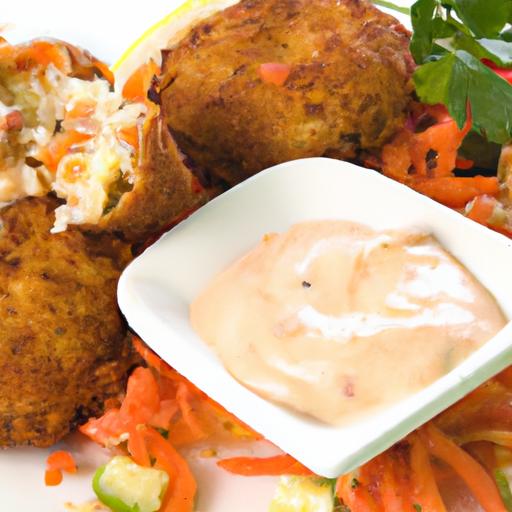

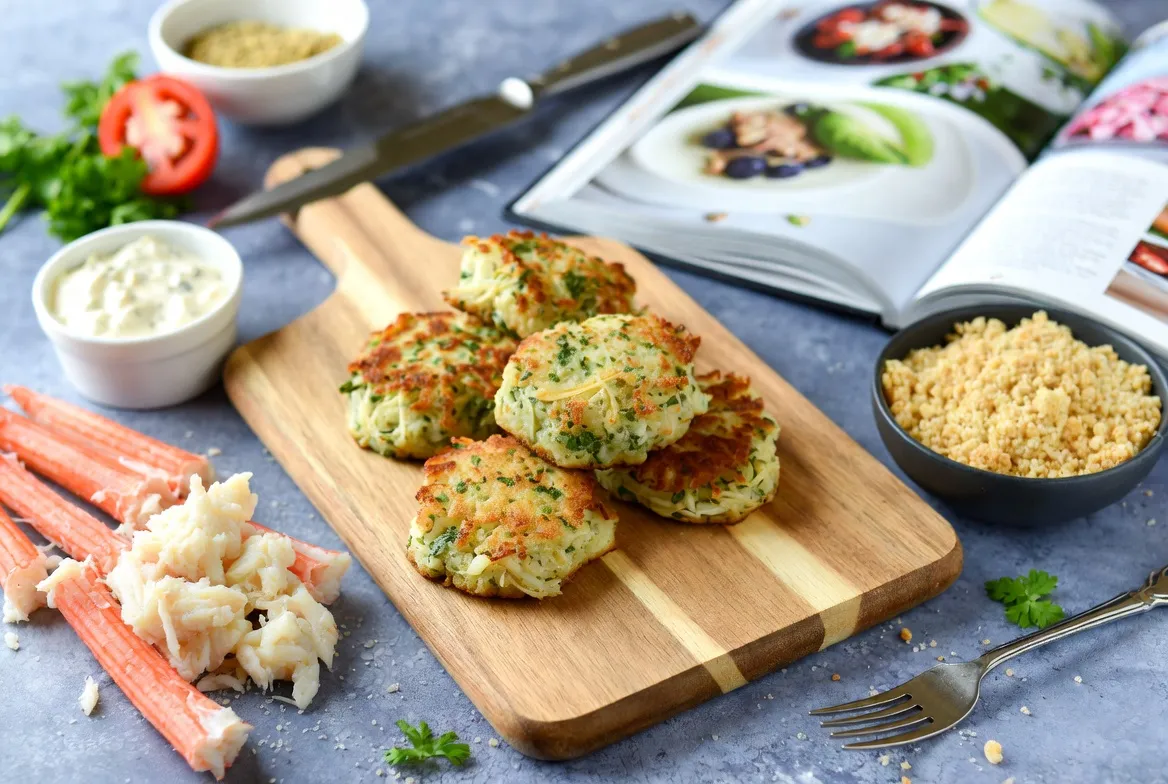
There’s nothing quite like the satisfying crunch of a perfectly crispy crab cake, delivering a mouthwatering blend of tender, succulent crab meat wrapped in a golden, crunchy crust. whether you’re a seafood enthusiast or a curious home cook eager to bring a touch of coastal elegance to your kitchen, mastering the art of the crab cake is a culinary adventure worth embarking on. In this step-by-step recipe guide, we’ll unveil the secrets to achieving that flawless balance of texture and flavor, from selecting the freshest crab to crafting a crust so crisp it sings with every bite. Get ready to transform humble ingredients into a show-stopping dish that’s as impressive as it is delicious.
Choosing the Freshest Ingredients for Flavorful Crab Cakes
Perfectly crispy crab cakes begin with sourcing the freshest ingredients, as this foundation sets the tone for every bite. The star of the dish is, without a doubt, the crab meat. Opt for lump or jumbo lump crab meat, renowned for its sweet, succulent flavor and firm texture. When selecting crab, look for moist, translucent flakes free from excess liquid or discoloration – a hallmark of freshness. Steer clear of pre-flavored or processed crab mixes to preserve the authentic taste and delicate natural sweetness.
freshness extends beyond the crab itself; choose vibrant herbs like fresh parsley and chives to add shining, fresh notes. for binders and coatings, use high-quality panko breadcrumbs to achieve that sought-after crispiness. Fresh lemons, finely diced celery, and a delicate hand of Dijon mustard will round out the flavor, keeping your crab cakes balanced and vibrant.
Mastering the Ideal Binder Blend for Ultimate Crispiness
Achieving the perfect texture is where the binder blend plays a critical role. Combining lightly beaten eggs with mayonnaise forms a gentle yet effective glue that holds your perfectly crispy crab cakes together without overpowering the delicate seafood flavors. the mayo adds moisture and richness, ensuring every cake remains tender inside.
Mix in panko breadcrumbs sparingly-it’s vital not to add too much, as it can make the cakes dry or dense.panko delivers a delightful crunch after searing, elevating the textural contrast. Additionally, finely minced celery and a hint of fresh herbs incorporated into the binder balance moisture and texture, enhancing every mouthful.
Techniques for Achieving the Perfect Golden Crust Every Time
Obtaining a perfectly golden crust that crunches with every bite requires attention to detail in both planning and cooking technique. Before cooking,pat each crab cake gently but firmly into an even,compact disc about ¾-inch thick-this ensures consistent cooking with no undercooked centers.
Chilling your crab cakes in the refrigerator for at least 30 minutes before frying helps them hold their shape and prevents crumbling. Use a neutral oil with a high smoke point, such as grapeseed or vegetable oil, and heat it to medium-high. Pan-fry the cakes without crowding the pan, allowing space for steam to escape and promoting that coveted crispiness.
Cook on each side for about 4-5 minutes until the crust is a deep golden-brown, taking care not to disturb them while searing to prevent breakage.A light press mid-cook can also encourage even browning. For an extra touch, finishing them briefly under a broiler adds a delicate heat boost that intensifies color and crispiness.


Serving suggestions and complementary Sauces to Elevate Your Crab Cakes
To complement your perfectly crispy crab cakes, serve on a bed of fresh mixed greens or alongside lightly dressed arugula for a peppery contrast. Garnish with thin lemon wedges and a sprinkle of finely chopped chives to brighten the plate.
Sauces bring the dish to new heights – creamy, cooling aiolis flavored with garlic, lemon zest, or chipotle offer zest and depth, while classic remoulade provides a tangy and slightly spicy counterpoint. Alternatively, a simple drizzle of herb-infused tartar sauce or a vibrant mango salsa lends freshness and a hint of sweetness.
For an elegant touch, plate the crab cakes with a side of roasted fingerling potatoes or a crisp cucumber salad that adds a refreshing crunch. This balance of textures and flavors will ensure every bite of your crab cakes delights and satisfies.
Prep and Cook Time
- Preparation: 20 minutes
- Chilling: 30 minutes
- Cooking: 15 minutes
- Total Time: 1 hour 5 minutes
Yield
Makes 6 generous crab cakes, serving 3-4 peopel as an appetizer or 2-3 as a main course.
Difficulty Level
Intermediate: Requires some attention to detail but accessible for home cooks eager to impress.
Ingredients
- 1 lb lump crab meat, picked over for shells
- 2 large eggs, lightly beaten
- ½ cup mayonnaise (best quality, full fat)
- ¾ cup panko breadcrumbs (plus extra for coating)
- 2 stalks celery, finely diced
- ¼ cup fresh parsley, finely chopped
- 1 tablespoon Dijon mustard
- 1 teaspoon worcestershire sauce
- 1 teaspoon Old Bay seasoning
- 2 tablespoons fresh lemon juice
- ½ teaspoon freshly ground black pepper
- Vegetable oil or grapeseed oil (for frying)
- Lemon wedges and fresh chives (for garnish)
Instructions
- Prepare the crab mixture: In a large bowl, gently combine crab meat, finely diced celery, and parsley, taking care not to break up the lumps.
- Make the binder: In a separate bowl, whisk together eggs, mayonnaise, Dijon mustard, worcestershire sauce, Old Bay seasoning, lemon juice, and black pepper.
- Incorporate breadcrumbs: Add panko breadcrumbs to the wet mixture and stir until just combined. Gradually fold this binder into the crab meat mixture, mixing gently but thoroughly.
- Shape the crab cakes: Form the mixture into 6 even patties,each about ¾-inch thick. Lightly coat both sides with extra panko breadcrumbs for added crunch.
- Chill: Place the crab cakes on a parchment-lined tray and refrigerate for 30 minutes to firm up.
- Heat the oil: Pour ¼ inch of oil into a large skillet and heat over medium-high until shimmering but not smoking.
- cook crab cakes: Carefully add crab cakes without crowding. Fry for 4-5 minutes on each side until deeply golden and crisp. Avoid moving them too much to prevent falling apart.
- Drain and serve: Transfer cooked crab cakes to a paper towel-lined plate. Serve immediately with lemon wedges and your chosen sauces.
Tips for Success
- Use fresh, high-quality crab meat for best flavor-avoid canned or imitation crab.
- Do not overmix the crab meat to preserve delicate lumps.
- Chilling crab cakes before cooking helps maintain shape and prevents crumbling.
- If you prefer gluten-free, substitute panko for gluten-free breadcrumbs.
- For a healthier version, bake crab cakes at 400°F for 12-15 minutes, flipping halfway.
- To prepare ahead, form and freeze patties uncooked; thaw and cook directly from fridge.
Serving Suggestions
Present your perfectly crispy crab cakes atop a fresh bed of arugula tossed in lemon vinaigrette. Garnish with extra chopped parsley or chives,and serve with zesty lemon aioli or classic remoulade for dipping. Crisp cucumber and radish salad or roasted fingerling potatoes add complementary textures and flavors that elevate the dish into a refined, balanced meal.
| Nutrient | Per Serving (1 crab cake) |
|---|---|
| Calories | 210 kcal |
| Protein | 18 g |
| Carbohydrates | 12 g |
| Fat | 11 g |

For more seafood inspiration and techniques, explore our Seafood Basics Guide. To deepen your understanding of crab selection and storage, consider this reliable resource from the U.S. Food and Drug Administration.
Q&A
Q&A: Perfectly Crispy Crab Cakes – Your Ultimate Step-by-Step Recipe Guide
Q1: What’s the secret to making crab cakes perfectly crispy without being greasy?
A1: The key lies in balancing moisture and coating. Start with fresh or quality lump crab meat and gently combine it with binder ingredients like mayonnaise and egg-these hold the cake together without sogginess. For that golden crisp,coat each patty lightly in panko breadcrumbs before pan-frying in a mix of oil and butter over medium heat. This method ensures a crunchy exterior while keeping the inside tender.
Q2: What type of crab meat works best for crab cakes?
A2: Jumbo lump or lump crab meat is ideal because it offers large, sweet chunks that stay intact. Avoid flaked or shredded crab meat if you want that luxurious, meaty texture in every bite. Fresh crab is best, but if using canned, choose high-quality crab packed in water, not oil or broth.
Q3: Can I make crab cakes in advance without losing their crispiness?
A3: Yes! Prepare the crab cake mixture and shape the patties a few hours ahead or the day before. Keep them tightly wrapped in the fridge. When it’s time to cook, just add the panko coating right before frying to keep the crust crispy.Alternatively, cook them fully, then reheat in a hot skillet or oven to restore crunch.
Q4: Are there any special ingredients that elevate the flavor without overpowering the crab?
A4: Absolutely. Fresh herbs like parsley or chives add brightness, while a squeeze of lemon juice enlivens the crab’s natural sweetness. Mild Dijon mustard or a touch of Old Bay seasoning works wonders in adding a gentle kick without overwhelming the delicate meat. Remember, simplicity allows the crab to shine.
Q5: What’s the best oil for frying crab cakes to get that perfect crust?
A5: Choose an oil with a high smoke point such as canola, grapeseed, or vegetable oil. These oils withstand higher temperatures without burning, essential for achieving a crispy crust. mixing a bit of butter into the pan towards the end adds a rich, golden finish-but keep the heat moderate to prevent burning.
Q6: How can I keep crab cakes from falling apart during cooking?
A6: Handle the crab mixture gently; overmixing breaks up the lumps and releases too much moisture. Use just enough binder (mayonnaise, egg, breadcrumbs) to hold the cakes together without turning the mix into a paste. When forming patties, press firmly but don’t compact too much-air pockets inside help with a light texture. Chill the cakes for at least 30 minutes before cooking to firm them up.
Q7: What sides or sauces pair best with crispy crab cakes?
A7: Classic accompaniments include a tangy remoulade or a zesty lemon aioli, which cut through the richness.Fresh slaws with crisp cabbage or a simple cucumber salad add refreshing crunch. roasted vegetables or lightly seasoned fries create a satisfying plate rounded out by the seafood star.
Q8: Can crab cakes be baked rather of fried for a healthier option?
A8: Yes, baking is a great option! Place the crab cakes on a baking sheet lined with parchment and brush lightly with oil. Bake them at 400°F (205°C) for about 15-20 minutes,flipping halfway through,until golden and crispy. While baking results in a lighter crust, it won’t be quite as crunchy as frying-but still delicious and satisfying.
Q9: How do I prevent crab cakes from sticking to the pan?
A9: Preheat your skillet properly and add enough oil to coat the bottom in a thin layer. Let the oil heat until shimmering but not smoking. When you place crab cakes in, don’t move them immediately; give each side time to form a crust, about 3-4 minutes per side.This browning naturally releases the cakes for easy flipping.
Q10: Is it okay to use frozen crab meat for crab cakes?
A10: Frozen crab meat can work well as long as it’s fully thawed and drained of excess moisture. Pat it dry with paper towels to prevent soggy cakes.Fresh crab still offers superior texture and flavor, but frozen is a convenient substitute that won’t compromise the overall dish when handled properly.
In Retrospect
With each golden, perfectly crispy crab cake you create, you’re not just cooking-you’re crafting a little masterpiece of flavor and texture.Armed with this step-by-step guide, the secrets of achieving that irresistible crust and tender, savory center are now at your fingertips. Whether you’re serving them as an elegant appetizer or a satisfying main course, these crab cakes promise to impress every palate. So, gather your ingredients, embrace the sizzle, and get ready to savor the satisfying crunch that comes from mastering this classic dish. Your journey to crab cake perfection starts here-bon appétit!