
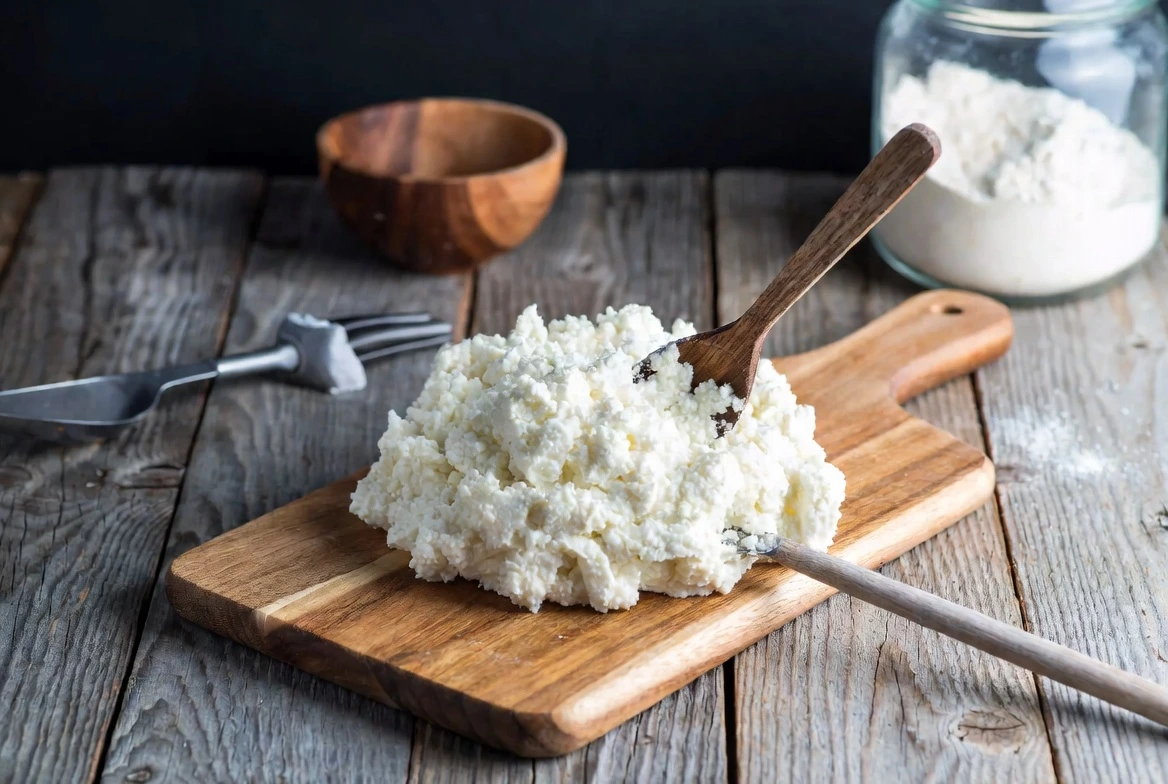
There’s a secret ingredient that transforms an ordinary lasagna into a culinary masterpiece, whispering layers of creamy indulgence with every bite. At the heart of this timeless Italian classic lies the luscious ricotta mixture-a velvety blend that binds flavors, textures, and traditions together in perfect harmony. More than just a filling, this creamy ricotta concoction elevates lasagna from hearty comfort food to an unforgettable experience.In this article, we’ll unravel the art and science behind crafting the perfect ricotta mixture, revealing how this simple yet essential element breathes life into every slice of lasagna.
🍫 Creamy Ricotta Mixture: The Heart of Perfect Lasagna
Crafting a luscious creamy ricotta mixture is the defining step to elevate your lasagna from ordinary to unforgettable. Rooted deeply in Italian culinary tradition, this silky blend not only anchors the layers but brings harmony to every bite. Through years of perfecting textures and flavors, I’ve discovered that balancing freshness with seasoning is essential to achieving that luscious mouthfeel that melts effortlessly into tender pasta sheets. Imagine ribbons of herb-brushed ricotta melding with tangy tomato sauce-each forkful a symphony of taste and texture.
🕒 Prep and Cook Time
- 🧂 Planning: 20 minutes
- 🔥 Cook Time: 45 minutes
- ⏳ Total Time: 1 hour 5 minutes
🍰 Yield
👨👩👧👦 Serves 8 generous portions
👩🍳 Difficulty Level
Medium – perfect for those comfortable with layering techniques and creating balanced flavor profiles.
🧺 Ingredients
- 🥛🧀 2 cups whole milk ricotta cheese (drained if watery)
- 🥚 1 large egg (for binding and silkiness)
- 🧀✨ 1/2 cup finely grated Parmesan cheese (adds depth and a nutty crunch)
- 🌿 2 tablespoons fresh Italian parsley, finely chopped
- 🌿🍃 1 tablespoon fresh basil, chiffonade-cut
- 🍋 1 teaspoon lemon zest (brightens and lifts the creaminess)
- ⚫ 1/4 teaspoon freshly ground black pepper
- 🧂 1/2 teaspoon kosher salt
- 🧄 1/4 teaspoon garlic powder (optional – subtle warmth)
🪄 Instructions
1️⃣ Drain the Ricotta: Begin by placing the ricotta into a fine mesh sieve over a bowl. Let it sit for 10 minutes to remove excess moisture-this step is crucial to prevent a watery mixture that can break the lasagna’s texture.
2️⃣ Combine Ingredients: In a medium bowl, gently fold together the ricotta, egg, Parmesan, parsley, basil, lemon zest, salt, pepper, and garlic powder. Use a rubber spatula to fold carefully without overmixing; this will maintain a light texture.
3️⃣ Taste and Adjust: Always taste your ricotta blend. The balance of salt and lemon zest is key to achieving a layered flavor that complements the tomato and pasta without overpowering it.
4️⃣ Layering Without Breaking: When spreading the ricotta mixture over cooked pasta sheets, use the back of a spoon or offset spatula and spread gently in a thin, even layer. Avoid pressing down hard, which can tear your noodles.


5️⃣ Alternate Layers: Alternate your ricotta blend with your meatless or vegetable sauce and tender sheets of lasagna noodles, ensuring each layer gets a generous but delicate spread to keep the assembly airy yet cohesive.
6️⃣ Bake to Silky Perfection: Cover the assembled lasagna with foil and bake at 375°F (190°C) for 40 minutes. Removing the foil in the last 10 minutes allows the top to slightly brown without drying out the ricotta mixture inside.
7️⃣ Rest Before Serving: Let your lasagna rest for 15 minutes after baking. This pause allows the creamy ricotta mixture to set beautifully, making it easier to slice and ensuring each portion holds together with a creamy softness.
💡Tips for Success
- fresh Herbs Matter: Always use fresh parsley and basil for a vibrant,aromatic ricotta blend; dried herbs tend to dull the flavor.
- Eggs for Silkiness: Don’t skip the egg-it acts as a natural binder that prevents the ricotta from separating during baking.
- Drain Well: Overly wet ricotta dilutes creaminess and can make your lasagna soggy; draining ensures a silkier finish.
- Gentle Folding: Incorporate ingredients lightly to keep your mixture aerated and luscious.
- Make ahead: The ricotta blend can be prepared a day in advance and refrigerated in an airtight container; bring to room temperature before layering.
🍽️ Serving Suggestions
Serve slices of your perfectly layered lasagna garnished with a sprinkle of freshly chopped basil and a light drizzle of high-quality extra virgin olive oil. A side of crisp arugula salad tossed with lemon vinaigrette balances richness beautifully. For added texture, scatter toasted pine nuts or a touch of shaved Parmesan right before serving. Pair with warm, crusty bread to soak up every luscious bite of the creamy ricotta and sauce meld.
Nutritional Information (Per Serving)
| Calories | protein (g) | Carbs (g) | Fat (g) |
|---|---|---|---|
| 350 | 18 | 30 | 16 |
For more ways to build luscious Italian dishes, check out our guide on ultimate Italian Sauce Guide. To deepen your understanding of ricotta cheese’s role in cooking, visit Serious Eats’ Ricotta Cheese Exploration.
Q&A
Q: What makes the ricotta mixture the “heart” of a lasagna?
A: The ricotta mixture is the heart of a lasagna because it brings a luscious creaminess that balances the savory layers of sauce, pasta, and cheese. its smooth, slightly tangy texture acts as a comforting binder, infusing each bite with richness and moisture.Without it, the dish can feel dry or overly heavy, but with it, every forkful is a harmonious blend of flavors and textures.Q: how can I achieve the perfect creamy ricotta mixture?
A: Achieving the perfect creamy ricotta mixture is all about balance. Start with high-quality ricotta cheese that’s fresh and slightly whipped to lighten it. Incorporate a bit of beaten egg to add structure, then season generously with salt, pepper, and a pinch of nutmeg for warmth. Mixing in freshly grated Parmesan or Pecorino Romano adds depth, while a splash of whole milk or cream ensures smoothness without heaviness.Q: Are there tricks to prevent the ricotta mixture from becoming grainy or dry when baked?
A: Absolutely! To keep your ricotta mixture silky,avoid using low-fat ricotta,which tends to be crumbly. Whisk the mixture until smooth before layering, and don’t overuse the egg-it should bind, not stiffen. Additionally, layering the ricotta alongside ample sauce helps maintain moisture throughout baking, preventing it from drying out.
Q: Can I customize the ricotta mixture for diffrent flavors without losing its creamy essence?
A: Definitely. The beauty of the ricotta mixture lies in its adaptability. Fresh herbs like basil, oregano, or thyme can brighten the blend, while roasted garlic or sun-dried tomatoes introduce savory nuances. Just remember to keep the base creamy and well-seasoned; subtle additions should enhance, not overpower, the classic comforting quality.
Q: How does the ricotta mixture interact with other conventional lasagna components?
A: The ricotta mixture complements and contrasts the other layers beautifully. Its creaminess contrasts with the acidity of tomato sauce and the bite of melted mozzarella, while its mild flavor harmonizes with hearty vegetables or tender noodles. It acts as a cushion, softening textures and melding flavors into a unified, delicious whole.
Q: What are some common mistakes to avoid when preparing the ricotta mixture?
A: A common pitfall is under-seasoning; ricotta on its own is mild and can taste flat without enough salt and spices. Another is skipping the egg or any binder, which can make the mixture loose and prone to sliding out when serving.Also, using dry ricotta or failing to balance moisture can led to a grainy texture, so blending and proper ingredient ratios are key.
Q: Is it necessary to drain ricotta before using it in lasagna?
A: draining is often a personal choice depending on the ricotta’s moisture content. If the ricotta seems very watery,gently draining or placing it in a cheesecloth to remove excess liquid can prevent soggy layers. However, too much draining will rob creaminess, so aim for a balanced moisture level to maintain that luscious texture.Q: How critically important is the temperature of the ricotta mixture before layering?
A: Letting the ricotta mixture come to room temperature before assembling the lasagna can definitely help it spread more evenly and blend seamlessly with other ingredients. Cold ricotta can be stiff, making layering more difficult and possibly causing uneven cooking. A lightly warmed mixture encourages a smooth layering process and a creamier final texture.
Final Thoughts
As the layers of pasta, sauce, and cheese come together, it’s the creamy ricotta mixture that truly binds the symphony of flavors into a harmonious masterpiece. This silky blend, rich with subtle tang and velvety texture, elevates lasagna beyond a simple baked dish-it transforms it into an experience of comfort and craftsmanship.Embracing the art of preparing the perfect ricotta mixture means honoring the heart of every grate lasagna: a final touch that brings warmth, indulgence, and that unmistakable homemade soul to your table. So next time you build your lasagna, remember-behind every perfect slice lies a luscious, creamy secret waiting to be savored.