
In the ever-evolving world of baking, few creations evoke the same sense of comfort and craftsmanship as a perfectly risen loaf of sourdough. But what if that golden crust and tangy crumb could be achieved without a single animal product? Enter vegan sourdough-a harmonious blend of tradition and innovation that honors the art of fermentation while embracing plant-based living.Whether you’re a seasoned baker or a curious novice, this flavorful guide will lead you through the essential steps, tips, and secrets to crafting your own flawless vegan sourdough. Prepare to embark on a tasty journey where every slice tells a story of patience, passion, and pure, plant-powered goodness.
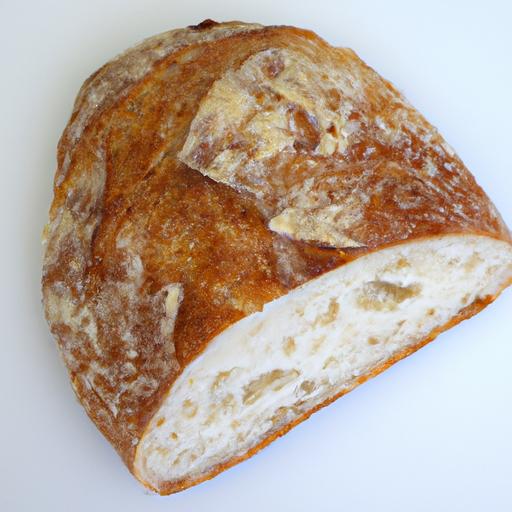
Crafting the Perfect Vegan Sourdough is a rewarding journey that transforms humble ingredients into a beautifully rustic loaf bursting wiht flavor and rich textures. Rooted in centuries of tradition yet innovated with modern, plant-based twists, this bread captures the souliness of fermentation and the goodness of whole grains. As you cultivate your starter and master the dough’s nuances, you’re not just baking bread-you’re creating an experience where complex tang meets a satisfyingly crisp crust enhanced by nutrient-dense seeds and grains.
Prep and Cook Time
- Starter Planning: 5-7 days (active refresh cycles)
- Final Dough Mix & Bulk fermentation: 4-6 hours (including autolyse)
- Proofing: 2-4 hours (room temperature) or overnight (refrigeration)
- Baking: 35-45 minutes
Yield
One 900g (2 lb) artisan loaf, perfect for slicing thick or thin-serves 8 to 10.
Difficulty level
Medium: Requires attentiveness to fermentation rhythms and dough feel but rewarding for dedicated bakers.
Ingredients
- For the Starter:
- 50g whole wheat flour
- 50g unbleached all-purpose flour
- 100ml filtered water, lukewarm
- For the Dough:
- 400g unbleached all-purpose flour
- 100g whole spelt flour
- 50g mixed seeds (sunflower, flax, chia, pumpkin), lightly toasted
- 350ml filtered water, room temperature
- 150g active vegan sourdough starter
- 10g fine sea salt
- 1 tbsp maple syrup or agave nectar (optional, for enhanced browning)
- Flavor Boosters:
- 1 tsp smoked paprika (optional, for subtle warmth)
- fresh rosemary sprigs (tuck into the dough or on the crust)
- 1 tbsp toasted sesame seeds (for finishing)
Instructions
- Feed and activate your Starter: In a clean jar, mix 50g whole wheat flour, 50g all-purpose flour, and 100ml lukewarm water.Cover loosely and let sit at room temperature. Repeat daily feedings for 5 to 7 days until bubbly, tangy, and doubling in size within 4 to 6 hours.
- Mix Flours and Water (Autolyse): In a large bowl, combine 400g all-purpose and 100g spelt flour with 350ml water. Stir until uniform; cover and rest for 1 hour. This hydrating step improves gluten progress naturally.
- Incorporate Starter and Salt: Add 150g active starter and 10g sea salt to the autolysed dough. Use a wet hand to pinch and fold the dough, ensuring salt and starter disperse evenly.
- Bulk Fermentation and Stretch & Folds: Over 4 hours, perform 3 to 4 sets of stretch-and-folds every 30 minutes. To do this, gently lift one side of the dough and fold it over itself, rotating the bowl. This strengthens the dough without kneading.
- Add Seeds and Flavor Boosters: During the second stretch & fold,scatter toasted seeds and smoked paprika onto the dough. Fold gently to distribute without deflating its air pockets.
- Shape the Loaf: Transfer dough onto a lightly floured surface and shape it into a tight boule or batard. If adding rosemary, nestle sprigs either inside folds or pressed on top.
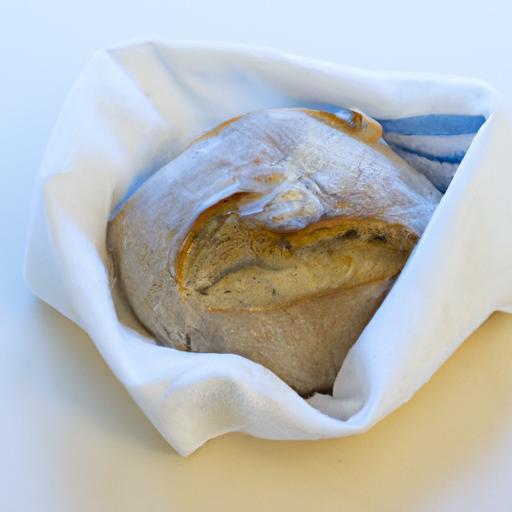
- Proof and Refrigerate: Place shaped dough seam-side up in a floured banneton or bowl lined with a linen cloth. Cover with a damp towel and proof at room temperature 2 hours, than cold-proof in the fridge overnight (8-12 hours) for optimal flavor development.
- Preheat the Oven: Set oven to 250°C (480°F) with a Dutch oven or baking stone inside. Preheating the vessel ensures a sizzling start, critical for crust formation.
- Score and Bake: Gently invert the dough onto parchment, score the top with a razor blade or sharp knife to guide its expansion, and transfer into the hot vessel. Cover and bake 20 minutes, then remove lid and bake another 15-20 minutes until golden with deep mahogany crust and crisp texture.
- Cool Completely Before Slicing: Let the bread cool for at least one hour on a wire rack. This allows moisture to redistribute and achieves the perfect crumb.
Tips for Success
- Cultivating Your Starter: Use non-chlorinated water and organic flours, feed regularly, and keep it in a warm (21-24°C) environment for lively fermentation. Patience here sets the foundation for flavor.
- Mastering Texture and Crust: Avoid adding fats or sugars before baking; instead, rely on your natural fermentation and hydration for a chewy crumb and crisp crust. Steam during baking (using a covered Dutch oven) locks in moisture, creating that iconic crust.
- Whole grains and Seeds: Toast seeds gently to deepen their aroma. Incorporate whole grains for earthiness, but balance with lighter flours to keep crumb open and tender.
- Flavor Elevation: Herbs like rosemary, za’atar, or cracked black pepper add aromatic complexity. Try dusting the loaf with cornmeal or sesame seeds for extra crunch and visual appeal.
- Make-Ahead: Dough can be refrigerated for up to 24 hours pre-bake; this slow proof develops delicious tangy notes and improves digestibility.
Serving Suggestions
Enjoy your loaf sliced thick with creamy avocado and a dash of smoked paprika, or toasted lightly and slathered with homemade vegan butter and jam. Complement with a bowl of roasted tomato soup for a comforting meal.Garnish slices with fresh herbs or a sprinkle of sea salt flakes for a sensory delight. Pair it with plant-based cheeses or use as the base for open-faced sandwiches loaded with seasonal veggies.

| Nutrient | per Slice (approx.) |
|---|---|
| Calories | 180 kcal |
| Protein | 6g |
| Carbohydrates | 35g |
| Fat | 3g (mostly from seeds) |
| Fiber | 5g |
For a deeper dive into gluten-free vegan baking techniques, check out our comprehensive gluten-free vegan baking guide. To explore the science behind sourdough fermentation, the ScienceDaily sourdough article offers fascinating insights.
Q&A
Q: What makes sourdough bread uniquely flavorful compared to other types of bread?
A: Sourdough’s signature tang comes from the natural fermentation process where wild yeasts and lactic acid bacteria work their magic. This slow fermentation not only develops complex, slightly sour notes but also enhances the bread’s texture and digestibility, creating that irresistible crust and chewy crumb we all love.


Q: How do you create a vegan sourdough starter? Isn’t sourdough already vegan?
A: Great question! Yes, traditional sourdough is naturally vegan because it relies solely on flour and water. To craft a vegan sourdough starter, simply combine equal parts unbleached flour and filtered water, then feed it regularly to cultivate those wild yeasts. Avoid any additives like honey, which some bakers use but aren’t vegan. Maintaining a bubbly, active starter is the heart of perfect vegan sourdough.
Q: What flours work best for a flavorful vegan sourdough loaf?
A: While classic white bread flour yields a light crumb,blending it with whole grain flours like whole wheat,rye,or spelt elevates both flavor and nutrition. These flours introduce earthy, nutty notes and create a more complex taste profile that enhances your loaf’s personality.
Q: Can I make sourdough bread without dairy or eggs and still achieve a tender crumb?
A: Absolutely! Sourdough’s structure comes primarily from gluten development and fermentation, not animal products. By hydrating your dough properly and allowing ample fermentation time, you’ll get a moist, tender crumb with plenty of chew-no dairy or eggs needed.
Q: How significant is hydration in vegan sourdough baking?
A: Hydration is key to pore structure and crumb softness. Higher hydration doughs-think 75% water or more relative to flour weight-tend to produce open, airy crumbs with delicate holes. but they’re a bit trickier to handle. Experiment with your hydration levels to find your perfect balance between flavor, texture, and ease of shaping.
Q: What are some vegan-friendly mix-ins to enhance the flavor of sourdough loaves?
A: Nuts, seeds (like sunflower, pumpkin, or sesame), dried fruits (such as figs or cranberries), and fresh herbs (rosemary or thyme) add delightful bursts of taste and texture. Just fold them gently into your dough towards the end of bulk fermentation to maintain your loaf’s rise and crumb integrity.
Q: How long should I ferment my vegan sourdough dough for optimal flavor?
A: Patience pays off! A slow bulk fermentation at room temperature for 4-6 hours,followed by a cold retard in the fridge for 12-24 hours,allows flavors to deepen and develop that signature tang. These slow processes also make the bread easier to digest and increase shelf life.
Q: any tips for baking the perfect crust on a vegan sourdough loaf?
A: To achieve that crackling, golden crust, bake your loaf in a preheated Dutch oven or use a steam tray in your oven to trap moisture during the first 15-20 minutes. this steam helps the crust expand before hardening. removing the lid or steam source later lets the crust caramelize beautifully.
Q: How can I troubleshoot common vegan sourdough baking issues?
A: If your loaf is dense, try increasing fermentation time or ensure your starter is bubbly and active. If your crust is too hard or burnt, lower your oven temperature slightly or shorten bake time. Remember, mastering sourdough is an art-each loaf is a learning experience!
Q: Why should bakers embrace vegan sourdough bread?
A: Beyond ethics and sustainability, vegan sourdough champions a tradition of natural fermentation, wholesome ingredients, and creative freedom. Its a delicious festivity of plant-based living that nourishes body, soul, and the planet-one crusty loaf at a time.
The Way Forward
As the aroma of your perfectly baked vegan sourdough wafts through your kitchen, you’ll know that patience and a little creative flair can transform simple ingredients into something truly remarkable. crafting the perfect loaf is more than just a recipe-it’s a dance of time, texture, and tender care that celebrates the vibrant flavors and wholesome goodness of plant-based baking. Whether you’re a seasoned sourdough enthusiast or a curious beginner, this flavorful guide invites you to embrace the journey, experiment boldly, and savor every bite of your handcrafted creation. Here’s to many more golden, crusty adventures ahead-happy baking!