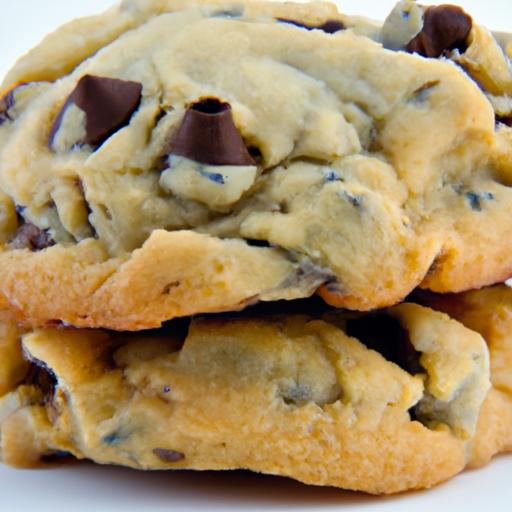

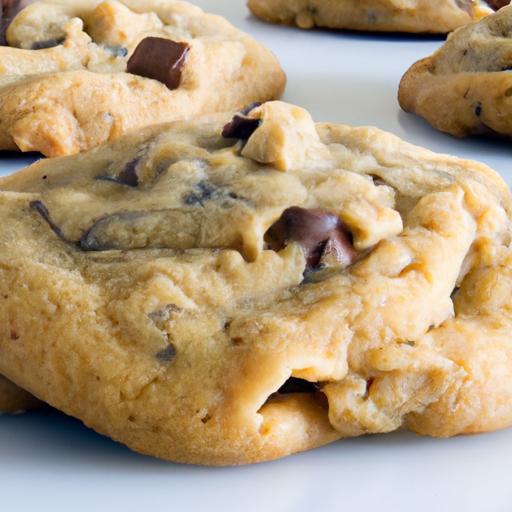
There’s a certain magic in the first bite of a perfectly baked chocolate chip cookie-a harmonious blend of warm, melty chocolate and golden, buttery dough that feels both comfortingly familiar and irresistibly sublime. But behind this delightful experience lies a fascinating dance between precise science and intuitive artistry.From the chemistry of sugar caramelization and gluten development to the subtle choices in ingredient ratios and baking techniques, crafting the perfect chocolate chip cookie is as much a culinary experiment as it is indeed a creative expression. In this article, we’ll unravel the secrets behind those iconic cookies, exploring how understanding the science can elevate yoru baking while embracing the art that makes each batch uniquely yours.
The Science and Art Behind Perfect Chocolate Chip Cookies begins with truly understanding how each component interacts, crafting the flawless balance between chewy, crisp, and tender. From the moment you pull the dough together to the golden glow emerging from the oven, every detail counts.
Prep and Cook Time
Planning: 20 minutes
Chill Time: 1 hour (highly recommended)
Baking: 10-12 minutes per batch
Yield
Approximately 24 classic-sized cookies
Difficulty Level
Medium – Perfect for home bakers eager to refine their skills and understand cookie chemistry.
Ingredients
- 2 ¼ cups all-purpose flour, sifted
- 1 teaspoon baking soda
- ½ teaspoon fine sea salt
- ¾ cup unsalted butter, softened to room temperature
- ¾ cup packed light brown sugar, lightly packed
- ½ cup granulated sugar
- 2 large eggs, at room temperature
- 2 teaspoons pure vanilla extract
- 2 cups semi-sweet chocolate chips
Instructions
- Prepare dry ingredients: In a medium bowl, whisk together the sifted flour, baking soda, and fine sea salt. Set aside.
- Cream butter and sugars: Using a stand mixer fitted with the paddle attachment, beat the softened butter, brown sugar, and granulated sugar on medium speed until pale and fluffy – about 3-4 minutes. This aeration promotes a tender crumb and subtle crispness.
- Add eggs and vanilla: Beat in the eggs one at a time,ensuring each is fully incorporated,followed by the vanilla extract. Proper mixing here prevents curdling and keeps your dough smooth and elastic.
- Combine dry with wet ingredients: Gradually add the flour mixture in two additions. Mix on low speed just until combined to avoid overdeveloping gluten, which can make cookies tough.
- Fold in chocolate chips: Using a spatula, gently fold in chocolate chips evenly throughout the dough.
- Chill the dough: Cover the dough tightly with plastic wrap and refrigerate for at least 1 hour. This step solidifies the fats and slows the flour’s hydration, resulting in a cookie that spreads beautifully and marries chewy centers with crispy edges.
- Preheat the oven: Set your oven to 350°F (175°C). Line baking sheets with parchment paper or silicone mats for even heat distribution.
- Portion the dough: Scoop generous tablespoons or use a medium cookie scoop to form uniform balls. Place 2 inches apart on the prepared sheets to allow for spreading.
- Bake: Bake for 10-12 minutes until the edges turn a light golden-brown while the centers remain slightly soft. Avoid overbaking to keep that perfect balance of crisp and chew.
- Cool: Transfer cookies to wire racks immediately after removing from the oven. Cooling fully is crucial for setting texture.
Understanding Ingredient Interactions for Ultimate Cookie texture
Butter temperature is a key variable. Softer butter blends more readily with sugar, trapping air bubbles essential for rise and tenderness. Conversely, chillier dough preserves the fat’s shape during baking, creating flakier, crisper edges. The delicate dance between baking soda and salt modulates pH, influencing spread and enhancing flavor depth. Brown sugar’s molasses content lends moisture and chewiness, while granulated sugar sparks crispness.
Mastering Dough Temperature and Mixing Techniques
Overmixing activates gluten development,turning cookie centers tough – so mix until ingredients meld just enough. A well-chilled dough guarantees a controlled spread and pronounced layering of textures. If your dough’s too warm, cookies flatten excessively; too cold, they may bake unevenly. Keeping this balance is an art worth perfecting.
Balancing Sweetness and Salt for Flavor Harmony
Salt is subtle hero here, cutting through the sweetness and elevating chocolate’s natural intensity. using a fine sea salt dispersed evenly ensures every bite bursts with nuanced flavor. Brown sugar’s natural acidity helps react with baking soda for lift, and combined with granulated sugar’s crystalline crunch, creates a multi-dimensional sweetness that keeps each cookie satisfying rather than cloying.


Baking Time and Temperature Secrets for That Ideal Golden Crisp
Oven temperature dictates texture highlights – too high and edges turn nearly burnt before centers cook through; too low and cookies dry out lacking crunch.The sweet spot is between 350°F and 360°F, baking just enough to set the edges and soften the middle. Removing cookies while centers remain tender allows residual heat to perfect the chew. Give them 5 minutes on the baking sheet post-oven to finalize their golden finish.
Tips for Success
- Use room temperature eggs and softened butter: This helps emulsify your dough, ensuring even baking.
- Do not skip chilling the dough: Patience here is rewarded with superior texture and controlled spread.
- Adjust baking sheets: Use light-colored baking sheets to avoid over-browning.
- For crispier cookies: Substitute ¼ cup of butter with vegetable shortening.
- Make Ahead: Dough can be frozen in scooped balls for up to three months – bake straight from frozen, adding 2 extra minutes.
- Expert Tip: Sprinkle a tiny pinch of flaky sea salt atop each unbaked cookie ball for an irresistible savory contrast.
Serving Suggestions
Enjoy these cookies warm with a cold glass of milk or alongside a scoop of vanilla bean ice cream for decadent dessert bliss. For a gift-worthy touch, place cookies in a decorative tin and line with parchment to preserve freshness. Garnish plated cookies with a few scattered chocolate shards and a sprig of fresh mint for a simple yet elegant presentation.

| Nutritional Info (per cookie) | Amount |
|---|---|
| Calories | 180 |
| Protein | 2g |
| Carbohydrates | 24g |
| fat | 9g |
For more in-depth insights into cookie science and other baking projects, check out our Ultimate Guide to Baking Chemistry. To dive deeper into ingredient roles,the Science of Cooking is an excellent resource.
Q&A
Q&A: The Science and Art Behind Perfect Chocolate Chip Cookies
Q1: What makes the perfect chocolate chip cookie different from an average one?
A: The perfect chocolate chip cookie strikes a harmonious balance between texture,flavor,and aroma. It’s about achieving the ideal contrast: a crisp edge with a soft, chewy center, enriched by the deep notes of caramelized sugars and melty pockets of chocolate. This balance is a dance between ingredient ratios,baking time,and temperature-a delicate interplay of science and art.
Q2: How do ingredient choices affect the texture of chocolate chip cookies?
A: Each ingredient plays a specific role. Butter lends richness and contributes to spreading; using melted butter encourages a chewier cookie, while cold cubed butter yields a fluffier, puffier bite. Sugar type impacts texture-brown sugar adds moisture and chewiness due to its molasses content, while white sugar promotes crispiness.The type of flour and the amount of leavening agent also influence how much a cookie rises or spreads.
Q3: Why is chilling the dough often recommended before baking?
A: chilling solidifies the fats in the dough, slowing the spread during baking and enhancing flavor development. this rest period allows the flour to hydrate fully, resulting in a more tender crumb. Additionally, a cold dough helps maintain the cookie’s shape and creates those desirable defined edges contrasted by a soft interior.Q4: What role does baking temperature play in cookie perfection?
A: Baking temperature affects both texture and flavor. A higher temperature (around 375°F/190°C) sets the edges quickly, creating crispness, while leaving the center soft and gooey. Lower temperatures bake cookies more evenly but can produce a cakier result. Master bakers often tweak temperature and time to suit their specific cookie goals.
Q5: How does the type of chocolate influence the final cookie experience?
A: chocolate’s cocoa content and form (chips, chunks, or chopped bars) influence melt, sweetness, and texture. Higher cocoa percentages offer bittersweet complexity and a firmer mouthfeel, while milk chocolate adds creaminess and softness. Chunkier pieces melt into sumptuous pockets, blending with the dough’s structure, making every bite a contrast of textures.
Q6: Can subtle additions elevate chocolate chip cookies without overpowering the classic flavor?
A: Absolutely! A pinch of flaky sea salt on top enhances sweetness and adds a elegant crunch. Vanilla extract deepens the overall flavor profile by accentuating buttery and caramel notes. toasted nuts or a sprinkle of cinnamon can add warmth and texture,but the key is restraint to preserve the beloved chocolate chip cookie essence.
Q7: How does the mixing method influence the cookie’s final character?
A: Overmixing develops gluten and can lead to tough cookies. Gentle mixing ensures tender bites with just enough structure. Creaming butter and sugar aerates the dough for a lighter texture, while folding in dry ingredients carefully maintains that softness.Thoughtful mixing is the gateway between dough and deliciousness.
Q8: Why is experimentation important in perfecting chocolate chip cookies?
A: While science provides guidelines, each oven, ingredient batch, and personal preference varies. Baking is as much art as it is indeed chemistry. Through experimentation-adjusting bake time, ingredient proportions, and techniques-home bakers discover their own signature version of “perfect.” It’s this blend of knowledge and creativity that makes chocolate chip cookie baking endlessly rewarding.
Future Outlook
As we close the chapter on the sweet symphony that is the perfect chocolate chip cookie, it’s clear that this beloved treat is more than just a simple dessert-it’s a harmonious blend of science and art. from the Maillard reaction that browns each edge to the delicate balance of ingredients that create that ideal texture, every bite tells a story of chemistry and creativity intertwined. So next time you nestle into a warm cookie, remember: you’re savoring a masterpiece crafted by both precise measurements and a sprinkle of culinary magic. In the world of baking, understanding the why behind the how opens the door to endless delicious possibilities-one chocolate chip at a time.