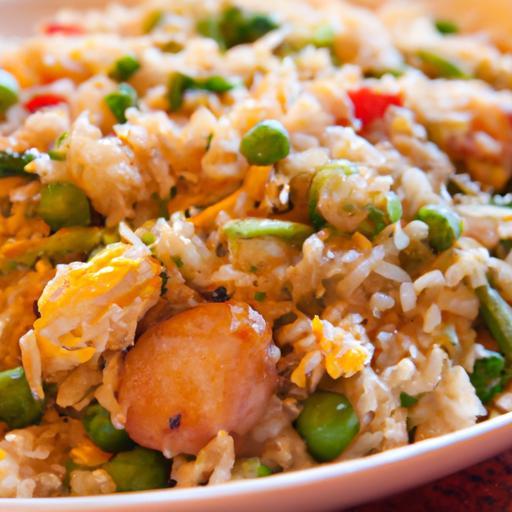
In the vibrant world of culinary delights, few dishes capture the essence of comfort and creativity quite like Chinese fried rice. More than just a humble staple, this beloved dish is a symphony of flavors, textures, and colors-each grain of rice telling a story rooted in tradition and innovation. Whether you’re a kitchen novice or a seasoned cook, mastering the art of Chinese fried rice opens the door to endless possibilities, transforming simple ingredients into a mouthwatering masterpiece. join us as we unravel the secrets, techniques, and tips behind this flavorful guide, empowering you to recreate authentic, restaurant-quality fried rice right in your own home.
Choosing the Perfect Ingredients for Authentic Chinese Fried Rice
Master the Art of Chinese Fried Rice begins with sourcing fresh, high-quality ingredients that enhance every bite. The beauty of this iconic dish lies in its simple components transformed through precise technique into a symphony of texture and flavor. Key to authenticity is using day-old medium-grain or jasmine rice, as freshly cooked rice is too moist and clumps together, resulting in a mushy dish rather than the light, separated grains that make fried rice irresistible.
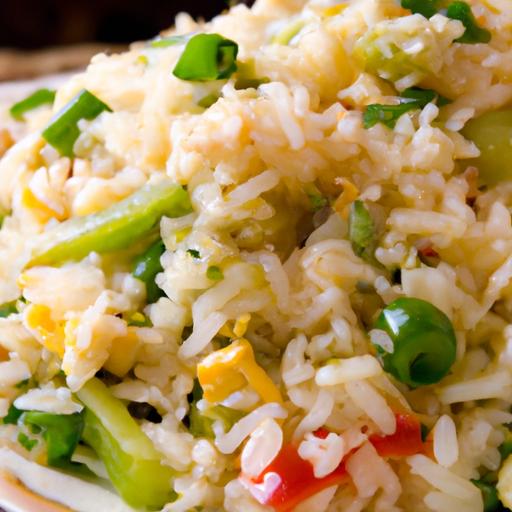
Embrace vibrant vegetables like crisp scallions, peas, and diced carrots to add bursts of color and texture. Traditional proteins such as chicken, shrimp, or firm tofu bring savory depth without overpowering the nuanced wok flavor. Use freshly cracked white pepper over black to maintain a delicate warmth. a splash of light soy sauce and a touch of toasted sesame oil elevate the aroma and umami without saturating the dish.
Techniques to achieve the Ideal Texture and Flavor Balance
Ensuring your fried rice is perfect requires mastering the heat and rhythm of the wok. begin by heating your wok untill it’s smoking hot to impart that coveted “wok hei” or breath of the wok-a subtle, smoky char that defines traditional fried rice. Adding oil in stages prevents sogginess, while speedy, constant stirring keeps rice grains separate and evenly coated.
Start by cooking proteins and aromatics separately, then set aside before stir-frying the rice itself. this layering ensures each component retains its integrity and texture. Use medium to high heat and toss quickly to prevent sticking, gradually folding in vegetables and sauces last to sync flavors without making the rice cloying or wet. Remember to keep ingredients moving and maintain balance between savory, sweet, and umami notes-less is often more.
Exploring Regional Variations to Elevate Your Fried Rice Skills
Chinese fried rice boasts captivating regional variations, each adding character and subtle flair. in Yangzhou, the famed “Yangzhou Fried Rice” combines succulent shrimp, ham (traditionally jinhua but here replaced with smoked turkey or chicken), and fresh peas for a delicate but layered flavor profile. Cantonese style tends to favor a leaner, lighter touch with a hint of oyster sauce, while Sichuan versions might introduce a gentle chili heat and fragrant garlic to awaken the palate.
Try experimenting with fragrant Chinese five-spice or diced pickled vegetables from Hunan cuisine to add exciting twists. These regional inspirations invite creativity, encouraging you to master fundamental techniques and then personalize your fried rice with ingredients and seasonings that evoke your culinary journey.
Pro Tips for Quick and Delicious Fried Rice Every Time
Achieving restaurant-quality fried rice in your home kitchen becomes effortless with a few professional tips. Always use cold, day-old rice for the ideal texture-if you’re in a pinch, spread freshly cooked rice on a baking sheet to cool and dry slightly. Pre-cut all ingredients and keep your wok piping hot to sear rather than steam the rice.


Don’t overload the wok; work in batches if necessary to avoid steaming. Use neutral oils with high smoke points, like peanut or grapeseed oil, to withstand high heat without burning. When adding soy sauce, opt for light rather than dark to maintain brightness and avoid excessive salt. cracking eggs in at the right moment and scrambling them quickly within the wok adds delicate richness and color contrast.
With these expert strategies, you’ll consistently serve up plates of delicious, fluffy, and visually stunning fried rice that satisfy both casual family dinners and impress guests alike.
Prep and Cook Time
- Preparation Time: 15 minutes
- Cooking Time: 10 minutes
- Total Time: 25 minutes
Yield
Serves 4 generously
Difficulty Level
Medium – Ideal for confident home cooks eager to refine wok skills
Ingredients
- 3 cups day-old cooked jasmine rice, chilled and separated
- 2 tablespoons peanut oil or grapeseed oil
- 1 cup cooked chicken breast, diced (or shrimp/tofu as preferred)
- 3 large eggs, beaten
- 1/2 cup frozen peas, thawed
- 1/2 cup diced carrots, finely chopped
- 4 scallions, thinly sliced (white and green parts separated)
- 2 cloves garlic, minced
- 1 teaspoon freshly ground white pepper
- 2 tablespoons light soy sauce
- 1 teaspoon toasted sesame oil
- Salt to taste
Instructions
- Prepare your wok: Heat the wok over high heat until it starts to smoke lightly.Add 1 tablespoon of oil and swirl to coat.
- Cook the protein: Add diced chicken (or shrimp/tofu) and sauté until just cooked through, about 2-3 minutes. Remove from wok and set aside.
- Scramble the eggs: Add the remaining tablespoon of oil. Pour in beaten eggs and swirl quickly to create soft curds.Remove eggs and set aside with protein.
- Toast the aromatics: Add garlic and white parts of scallions to the wok. Sauté briefly until fragrant, approximately 30 seconds.
- Fry the rice: Increase heat to high. add chilled rice, breaking up any clumps with a spatula. Stir-fry continuously to evenly heat and separate rice grains, about 3-4 minutes.
- Add vegetables: Toss in carrots and peas. Stir-fry until vegetables are tender but still crisp, about 2 minutes.
- Reincorporate protein and eggs: Return cooked protein and scrambled eggs to the wok. Stir gently to combine everything uniformly.
- Season the rice: Sprinkle white pepper, pour in light soy sauce, and drizzle toasted sesame oil. Toss well and adjust salt if necessary.
- Finish with scallions: Add the green parts of scallions and give the rice a final toss. Remove from heat immediately to avoid overcooking.
- Serve hot: Transfer to serving plates or bowls and garnish as desired.
Chef’s Notes: Tips for Success
- Rice Texture: Using day-old rice is non-negotiable for the perfect fluffy texture. If short on time, cook rice with slightly less water, then cool quickly on a tray.
- Protein Variations: Swap chicken with shrimp, firm tofu, or diced turkey breast. Make sure proteins are cooked first to avoid overcooking during stir-fry.
- Vegetable Options: Feel free to include diced bell peppers, corn kernels, or bean sprouts for extra crunch and color.
- Make Ahead: This fried rice keeps well for up to 2 days refrigerated. Reheat on high heat to refresh the texture.
- Wok Hei: Use a heavy-bottomed wok and high heat to achieve that signature smoky flavor; if a wok is unavailable, a large non-stick skillet works with slightly less heat.
Serving Suggestions
Present your fried rice in shallow bowls or on colorful plates to highlight the vibrant vegetables and golden egg. Garnish with fresh cilantro, a sprinkle of toasted sesame seeds, or extra thinly sliced scallions to add a fresh contrast. Pair the dish with steamed bok choy or a plate of stir-fried greens for a balanced meal. offer chili oil or soy sauce on the side for guests who prefer a flavor kick.
| Nutrient | Per Serving |
|---|---|
| Calories | 320 kcal |
| Protein | 22 g |
| Carbohydrates | 38 g |
| Fat | 7 g |

For more detailed wok techniques, check out our extensive guide to wok cooking. To deepen your understanding of Chinese culinary traditions, explore this article by Serious Eats, a trusted food authority.
Q&A
Q&A: Master the Art of Chinese Fried Rice – A Flavorful Guide
Q1: What makes Chinese fried rice different from regular fried rice?
A: Chinese fried rice is a harmonious blend of technique, timing, and ingredients that transforms simple cooked rice into a savory, aromatic dish. The key lies in using day-old rice for perfect texture, high-heat stir-frying for that iconic wok hei (smoky char), and balancing flavors with soy sauce, aromatics, and a variety of vegetables or proteins.
Q2: Why is day-old rice preferred for fried rice?
A: Freshly cooked rice tends to be too moist and sticky, which can result in clumpy fried rice. Day-old rice, having dried out slightly in the fridge, separates easily, allowing each grain to be coated with sauces and seasonings and stay fluffy during stir-frying.
Q3: How do I achieve the perfect wok hei flavor in my fried rice?
A: Wok hei, or “breath of the wok,” is achieved by cooking at a very high temperature with quick, continuous tossing. Using a well-heated wok and minimal oil, combined with fast cooking and proper ventilation, caramelizes the ingredients just so, imparting a subtle smoky hint that’s signature to authentic Chinese fried rice.
Q4: Which proteins work best in Chinese fried rice besides pork?
A: Chicken, shrimp, tofu, and eggs are popular protein choices that blend beautifully with fried rice. Each brings a unique texture and taste-succulent shrimp adds a hint of sweetness, while tofu soaks up the savory sauce, and fluffy scrambled eggs contribute richness and color.
Q5: What vegetables should I include to keep the fried rice colorful and nutritious?
A: Classic vegetables like diced carrots, peas, green onions, and corn deliver both vibrancy and crunch. You can also experiment with bell peppers, baby corn, water chestnuts, or bok choy, bringing freshness and variety to the dish.
Q6: Can I make fried rice vegetarian or vegan without losing flavor?
A: Absolutely! Use tofu or tempeh as your protein source, and season generously with soy sauce, minced garlic, ginger, and a touch of sesame oil. Adding mushrooms can introduce meaty umami depth. Just swap out eggs for scrambled tofu if you want it fully vegan.
Q7: How important is the order of adding ingredients during stir-frying?
A: Very important! Aromatics like garlic and ginger should hit the wok first to infuse oil with fragrance. Proteins go next to develop sear and texture. Vegetables follow, cooked just enough to remain crisp. day-old rice is tossed in and combined with sauces-this layering prevents sogginess and ensures each component shines.
Q8: What sauces and seasonings are essential to authentic Chinese fried rice?
A: Soy sauce is a must-light soy sauce for seasoning and a splash of dark soy sauce for color. Oyster sauce (check vegetarian versions if needed) adds savory depth. Sesame oil, white pepper, and a pinch of sugar help round out the flavor profile. Fresh green onions sprinkled at the end brighten the dish.
Q9: How can I personalize my fried rice while still honoring tradition?
A: Fried rice is wonderfully adaptable! Feel free to incorporate local veggies, switch up proteins, or add unique spices like five-spice powder or chili flakes. Experimenting while respecting the balance of textures and flavors keeps the dish lively without losing its soul.
Q10: What tips do professional chefs recommend for novice fried rice makers?
A: Use a hot pan or wok,prep all ingredients in advance (mise en place),and don’t overcrowd the pan. Cook quickly and keep ingredients moving. Most importantly, trust your senses-taste and adjust as you go. With practice, you’ll unlock a fragrant, delicious fried rice that’s truly your own masterpiece.
The Conclusion
as you’ve journeyed through the sizzling pans and fragrant spices of Chinese fried rice, you now hold the keys to crafting a dish that’s as versatile as it is delicious. Whether you’re reinventing leftovers or creating a masterpiece from scratch,mastering this art unlocks endless flavors and endless possibilities. So, embrace the rhythm of the wok, experiment boldly with ingredients, and let each grain of rice carry the story of your kitchen adventures. With practice and passion, your Chinese fried rice will transform from a simple meal to a vibrant festivity of taste-one unforgettable bite at a time.