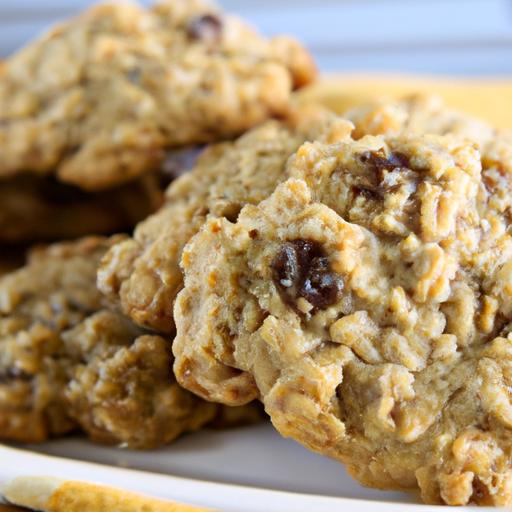

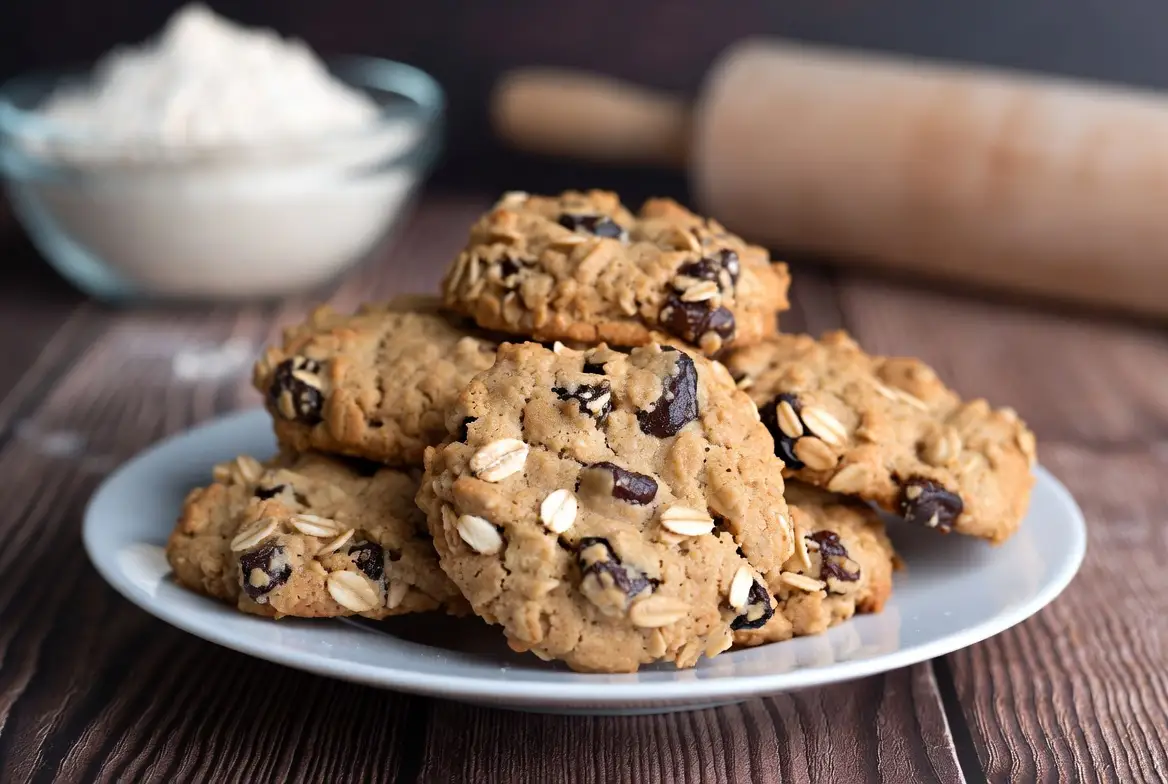
There’s something undeniably comforting about biting into a warm oatmeal raisin cookie-the delicate balance of sweet raisins, hearty oats, and that perfect, chewy texture that keeps you reaching for just one more. But achieving that ideal chewiness is more art than accident, a culinary secret passed down through kitchen experiments and a touch of science. In this article, we’ll unravel the mystique behind perfectly chewy oatmeal raisin cookies, exploring the ingredients, techniques, and baking tips that turn a simple treat into a mouthwatering masterpiece. Whether you’re a seasoned baker or a curious novice, prepare to elevate your cookie game and discover the secrets to chewy perfection.
The Secrets behind Perfectly Chewy Oatmeal Raisin Cookies
Achieving the ideal chewy texture in oatmeal raisin cookies is an art-and the key lies in understanding how moisture and fat work together to create that soft,irresistible bite. From selecting the perfect oats and plump, flavorful raisins to mastering gentle mixing techniques that preserve tenderness, these cookies offer a delicious harmony of texture and taste that will keep you coming back for more.
Prep and Cook Time
- Prep Time: 15 minutes
- cook Time: 12 minutes
- Total Time: 27 minutes
Yield
About 24 classic-sized cookies
Difficulty Level
Easy to Medium – Perfect for bakers of all experience levels aiming for bakery-quality chewiness.
Ingredients
- 1 cup old-fashioned rolled oats (for that ideal toothsome chewiness)
- 3/4 cup all-purpose flour, sifted
- 1/2 teaspoon baking soda
- 1/2 teaspoon ground cinnamon
- 1/4 teaspoon fine sea salt
- 1/2 cup unsalted butter, melted and slightly cooled (moisture and fat for tenderness)
- 1/2 cup packed light brown sugar (more moisture for chewiness)
- 1/4 cup granulated sugar
- 1 large egg, at room temperature
- 1 teaspoon pure vanilla extract
- 3/4 cup raisins (plump and soft, soaked briefly for maximum flavor)
Instructions
- Preheat your oven to 350°F (175°C). Line baking sheets with parchment paper or silicone mats to prevent sticking and promote even baking.
- Soak raisins: Place raisins in a small bowl and cover with hot water for 10 minutes to plump them up, then drain thoroughly and pat dry. This step enhances their juiciness and prevents cookie dryness.
- Mix dry ingredients: in a medium bowl, whisk together all-purpose flour, baking soda, cinnamon, salt, and rolled oats. Set aside.
- Combine wet ingredients: In a large bowl, whisk the melted butter with brown sugar and granulated sugar until smooth and glossy. Beat in the egg and vanilla extract until fully incorporated.
- Gentle folding: Slowly fold the dry oat-flour mixture into the wet ingredients in two additions. use a spatula to combine just until everything is moistened-avoid overmixing to keep the cookie tender and chewy.
- Fold in the raisins carefully, distributing them evenly without crushing or breaking them.
- Scoop the dough: Use a medium cookie scoop or tablespoon to portion rounded mounds onto the prepared baking sheets, spacing them about 2 inches apart.
- Bake: Place the trays in the oven and bake for 10-12 minutes. The edges will be lightly golden while the centers remain soft. Avoid overbaking, as carryover heat will finish the bake; this locks in that signature chewiness.
- Cool properly: Let cookies rest on the baking sheet for 5 minutes before transferring them to a wire rack to cool completely.
Tips for Success: Moisture and fat Balance, Oat & Raisin Selection, and Mixing
- Fat and moisture: Using melted butter and a combination of brown and granulated sugar creates a moist dough that translates into chewiness.The brown sugar’s molasses content adds moisture and a hint of caramel that enhances flavor depth.
- Oats choice: Choose old-fashioned rolled oats-not instant or quick oats-to achieve a firm, satisfying bite.They hold their shape during baking and absorb just enough moisture without turning mushy.
- Raisin quality: Opt for plump,sweet raisins,preferably Thompson or golden varieties. Soaking them briefly rehydrates and intensifies their sweetness,contributing moist bursts of flavor in every bite.
- Mixing method: Overmixing flour develops gluten, causing toughness. Fold ingredients gently and deliberately, stopping as soon as the flour disappears for a tender crumb.
- Baking timing: Removing cookies just as the edges set but centers are still soft is critical. This ensures a chewy core that firms up as the cookies cool without drying out.
Serving Suggestions
Serve these warm with a pat of creamy butter or a drizzle of honey for extra indulgence. They pair beautifully with a chilled glass of almond milk or a cup of spiced chai tea. For a stunning presentation, plate cookies on a rustic wooden board and garnish with fresh rosemary sprigs or a light dusting of cinnamon sugar to echo the cookie’s aromatic spice.
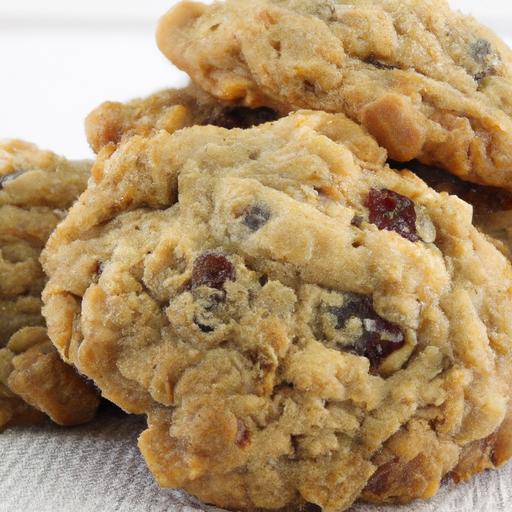
Nutritional Facts (per cookie)
| Calories | Protein | Carbs | Fat |
|---|---|---|---|
| 120 kcal | 1.5 g | 18 g | 5 g |
For more tips on perfect cookie textures, check out our Ultimate Guide to Cookie Textures. To understand the science behind sugar’s role in baking, visit ScienceDaily’s sugar and baking article.
Q&A
The Secrets Behind Perfectly chewy Oatmeal Raisin Cookies: Q&A
Q1: What makes oatmeal raisin cookies chewy instead of crunchy?
A1: Achieving that signature chewiness is all about balancing moisture and texture. Ingredients like brown sugar, which contains molasses, help retain moisture, while using a combination of rolled oats creates a tender yet considerable bite. Additionally, slightly underbaking the cookies ensures they stay soft inside instead of crisping up.


Q2: Should I use old-fashioned rolled oats or quick oats for chewy cookies?
A2: Old-fashioned rolled oats are the key players here. They provide a hearty texture that contributes to chewiness without becoming mushy.Quick oats can work but tend to break down more during baking, resulting in a softer, less distinct oat texture.
Q3: How does the choice of fat affect cookie chewiness?
A3: Butter is the classic choice and imparts rich flavor and a tender crumb. Using melted butter can increase chewiness, as it creates a denser dough. Some bakers mix in a bit of oil to boost moisture retention further-just a small amount to avoid greasiness.
Q4: Can adding an extra egg improve cookie texture?
A4: Yes! Eggs act as binders and add moisture. Using an extra egg yolk, specifically, enriches the dough and enhances chewiness because yolks contain fat.Just be cautious; too much egg can make cookies cakey instead of chewy.
Q5: How vital is chilling the dough?
A5: Very important.Chilling solidifies the fat, which slows spreading during baking and improves flavor melding. for chewy oatmeal raisin cookies, a chill time of at least 30 minutes up to overnight is ideal to develop depth in both texture and taste.
Q6: What role do raisins play beyond flavor in chewy oatmeal cookies?
A6: Raisins aren’t just delicious bursts of sweetness; their natural juiciness adds pockets of moisture throughout the cookie. This contrast enhances chewiness and keeps every bite pleasantly tender.
Q7: Is there a secret ingredient to elevate chewiness without altering flavor?
A7: A tiny pinch of salt and a splash of vanilla extract do wonders. The salt balances sweetness and boosts all flavors, while vanilla adds aromatic warmth. Some bakers swear by adding a tablespoon of honey or molasses for an extra chewy,almost caramel note without overpowering the cookie.
Q8: How can I tell when my oatmeal raisin cookies are perfectly chewy after baking?
A8: Look for lightly golden edges with a surface that appears set but not hard. When you gently press the center, it should feel soft and spring back slightly. remember, cookies continue to firm up as they cool, so removing them from the oven just before they look fully done is key.Q9: Can I substitute raisins with other fruits or nuts and keep the chewiness?
A9: Absolutely! Dried cranberries, chopped dates, or cherries offer similar moisture and chew, while adding complementary flavors. Nuts like walnuts or pecans provide crunch more than chewiness, so consider pairing nuts with moist dried fruits to maintain the desired texture.
Q10: What baking tips ensure uniform chewiness in every batch?
A10: Use consistent portion sizes to enable even baking, avoid overmixing to prevent toughness, and monitor oven temperature carefully. Each oven bakes differently, so keeping a close eye on the first batch will guide you to optimal bake time for that perfect chewy texture.
With these insider tips, your oatmeal raisin cookies will come out consistently chewy, flavorful, and utterly irresistible-ready to become your new baking hallmark!
to sum up
As you embark on your next baking adventure, armed with these secrets to the perfect chewy oatmeal raisin cookie, remember that the magic lies not just in the ingredients but in the subtle touches and mindful moments of the process. From the precise balance of moisture to the gentle folding of raisins, each step crafts a cookie that’s comfort in every bite. So, whether you’re baking for a cozy afternoon or sharing with loved ones, let these chewy delights be a testament to the art-and joy-of homemade goodness. Happy baking, and may your cookies always come out just right!