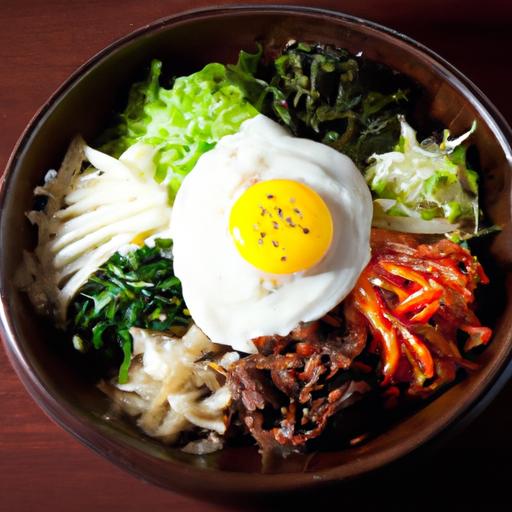

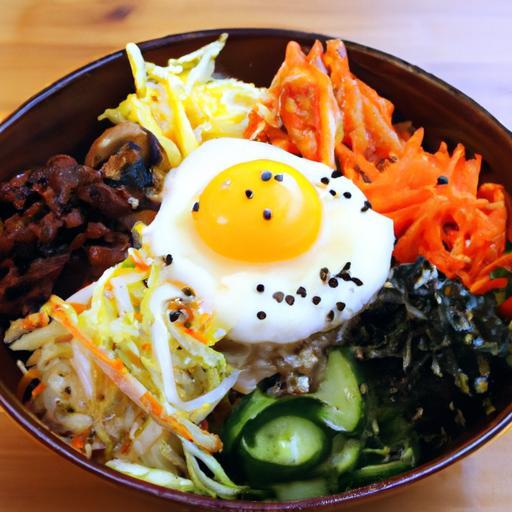
There’s a vibrant symphony of colors,textures,and tastes waiting to be discovered in every bowl of bibimbap-a beloved korean classic that effortlessly balances simplicity and sophistication. Whip up this flavorful masterpiece in your own kitchen, and you’ll unlock a world where crisp vegetables, savory marinated meats, and a sunny egg come together over a bed of steamed rice, all harmonized by a bold, spicy gochujang sauce. Whether you’re a seasoned foodie or an adventurous beginner, this easy-to-follow recipe invites you to experience the heart of Korean cuisine in a way that’s as satisfying to make as it is to eat. Let’s dive into the art of creating bibimbap, one flavorful step at a time.
Whip up flavorful bibimbap with a vibrant harmony of fresh vegetables, tender proteins, and the unmistakable kick of a homemade gochujang sauce. This iconic Korean rice bowl celebrates balance-not just in taste but in color, texture, and aroma-making each bite an unforgettable experience that transports you straight to Seoul’s bustling street markets or a warm Korean home kitchen. Growing up, I remember the joyful rhythm of preparing bibimbap with my family: chopping crisp vegetables, sizzling beef with fragrant garlic, and lovingly swirling spicy, sweet gochujang that ties everything together into a comforting masterpiece.
Prep and Cook Time
- Preparation: 30 minutes
- Cooking: 20 minutes
- Total Time: 50 minutes
Yield
Serves 4 generous portions
Difficulty level
Medium – Perfect for adventurous home cooks ready to master layering flavors and textures
Ingredients
- 2 cups jasmine or short grain rice, cooked and warm
- 1 medium zucchini, julienned
- 2 medium carrots, peeled and julienned
- 4 cups fresh spinach, blanched and squeezed dry
- 1 cup bean sprouts, blanched
- 200g lean beef (sirloin or flank steak), thinly sliced
- 2 cloves garlic, minced
- 3 tbsp soy sauce (divided)
- 1 tbsp toasted sesame oil (plus extra for finishing)
- 2 tsp sugar
- 1 tbsp vegetable oil
- 4 large eggs
- 1 tsp sesame seeds, toasted
- for the Gochujang Sauce:
- 3 tbsp Korean gochujang (red chili paste)
- 1 tbsp honey or brown sugar
- 1 tbsp rice vinegar
- 1 tbsp water
- 1 tsp toasted sesame oil
- 1 tsp minced garlic
instructions
- Prepare the Vegetables: Heat 1 tsp vegetable oil in a large pan over medium heat. Sauté the julienned zucchini with a pinch of salt until tender but still vibrant, about 3 minutes. Remove and set aside. Repeat separately with carrots and bean sprouts, keeping them crisp and bright.
- Season the Spinach: Blanch spinach quickly in boiling water for 30 seconds, drain, and rinse under cold water to retain color. Squeeze out moisture and toss with 1 tsp soy sauce and 1 tsp sesame oil. Set aside.
- Cook the Beef: In the same pan, add a touch of vegetable oil and sauté minced garlic until fragrant. Add thinly sliced beef, seasoning with 2 tbsp soy sauce and 2 tsp sugar. Sear until browned and cooked through, about 5 minutes.
- Fry the Eggs: Quickly fry eggs sunny-side-up in a nonstick pan with a little oil, aiming for runny yolks that add lusciousness to your final bowl.
- Mix the Gochujang Sauce: In a small bowl, whisk together gochujang, honey, rice vinegar, water, toasted sesame oil, and minced garlic to create your signature spicy, tangy sauce.
- Assemble the Bibimbap: spoon warm rice into individual bowls. Artfully arrange zucchini, carrots, spinach, and bean sprouts in colorful sections atop the rice. Add the savory beef slices and top everything with a perfectly fried egg.
- Finish and Serve: Drizzle the gochujang sauce over each bowl, sprinkle with toasted sesame seeds, and add a final splash of sesame oil for aroma. Serve immediately, encouraging diners to mix all layers thoroughly, creating a symphony of textures and flavors in every bite.
Chef’s Notes
- Swap beef for marinated chicken breast or tofu slices to suit dietary preferences without sacrificing umami depth.
- if fresh gochujang isn’t available, substitute with a blend of miso paste and Korean chili flakes, but expect a milder heat and richer savoriness.
- Prepare vegetables a day ahead, storing them separately to preserve freshness and expedite mealtime assembly.
- For an extra crunch, lightly toast crushed roasted seaweed flakes and sprinkle atop before serving.
Serving Suggestions
Present each bowl with a side of kimchi or pickled radishes for a tangy contrast. Garnish with finely sliced nori and fresh green onions for vibrant color. Pair with a light Korean barley tea or chilled cucumber water to refresh the palate between bites.

| Nutrient | Per Serving |
|---|---|
| calories | 480 kcal |
| Protein | 28 g |
| Carbohydrates | 56 g |
| Fat | 12 g |
For more korean kitchen inspiration, check out our Easy Korean Side Dishes.Learn about the rich history of gochujang and its cultural importance at The Korea Herald.
Q&A
Q&A: Whip Up Flavorful Bibimbap – An Easy Korean Classic recipe


Q1: What is bibimbap, and why is it so popular in Korean cuisine?
A1: Bibimbap literally means “mixed rice” in Korean. It’s a vibrant, wholesome dish that combines warm rice with an assortment of seasoned vegetables, protein, and a spicy, savory gochujang sauce. Its popularity stems from its balance of flavors, textures, and colors-all in one bowl-making it both visually enticing and deliciously satisfying.Q2: What makes bibimbap such a versatile dish?
A2: One of bibimbap’s greatest strengths is its adaptability. You can customize the vegetable medley based on seasonal produce or what’s in your fridge-think spinach,bean sprouts,zucchini,mushrooms,and carrots. Proteins can vary too, from tofu and chicken to beef or even a fried egg, allowing you to cater to different tastes and dietary preferences with ease.
Q3: How do you achieve the perfect balance of flavors in bibimbap?
A3: The secret lies in seasoning each component individually before mixing. Vegetables are lightly sautéed or blanched and tossed with a bit of sesame oil, garlic, and salt to enhance their natural flavors. The gochujang sauce adds the signature spicy-sweet kick, while sesame oil drizzled on top provides a fragrant finish.These layers culminate in a harmonious flavor profile with every bite.
Q4: Can bibimbap be made vegetarian or vegan?
A4: Absolutely! A plant-based bibimbap is just as delightful. Simply replace any animal protein with tofu, tempeh, or extra mushrooms for meaty texture, and use a fried or scrambled tofu “egg” as a topping if desired. The gochujang sauce is usually vegan, but it’s always good to double-check ingredient labels to ensure authenticity.
Q5: What’s the traditional way to serve bibimbap?
A5: Traditionally, bibimbap is served in a hot stone bowl called a dolsot, which crisps the rice at the bottom, adding a delightful crunch to the dish. If you don’t have one, a regular bowl works perfectly fine. The excitement kicks in when you mix everything thoroughly just before eating, blending flavors and textures into every bite.Q6: How long does it take to prepare bibimbap?
A6: One of the beauties of bibimbap is that while it looks intricate, it can be made in about 30-40 minutes. Most of that time involves prepping and cooking the vegetables separately to get each element perfectly seasoned. Once assembled, it’s just a swift mix-and-enjoy experience!
Q7: What tips can help beginners make bibimbap successfully?
A7: Start with a manageable number of vegetable toppings-three to five is plenty to create complexity without overwhelming you. Use fresh, crisp vegetables and season each well. Don’t be shy with the gochujang sauce; it packs flavor and heat but can be adjusted according to your spice tolerance. Lastly, remember to mix everything well before tucking in-that’s the true essence of bibimbap!
Q8: Can bibimbap be enjoyed cold or only warm?
A8: While bibimbap is traditionally served warm, especially with a crispy layer of rice from a hot stone bowl, it can also be enjoyed at room temperature. This versatility makes it a fantastic option for packed lunches or picnics without sacrificing much in flavor or texture.
With these insights, you’re ready to create a bibimbap masterpiece that’s as flavorful as it is colorful! Whether you’re a seasoned chef or a curious kitchen adventurer, this Korean classic invites you to mix, match, and savor every bite.
Concluding remarks
As you gather your vibrant vegetables, sizzling beef, and perfectly seasoned rice, remember that bibimbap is more than just a meal-it’s a harmonious blend of textures, colors, and flavors that tell a story of Korean tradition and culinary artistry. Whether you’re a seasoned cook or a curious foodie, whipping up this easy bibimbap recipe invites you to explore a world where simplicity meets boldness on every plate. So go ahead,dive into the delicious dance of ingredients,and savor the satisfying joy of creating your own flavorful masterpiece right at home. Your taste buds-and your Instagram feed-will thank you.