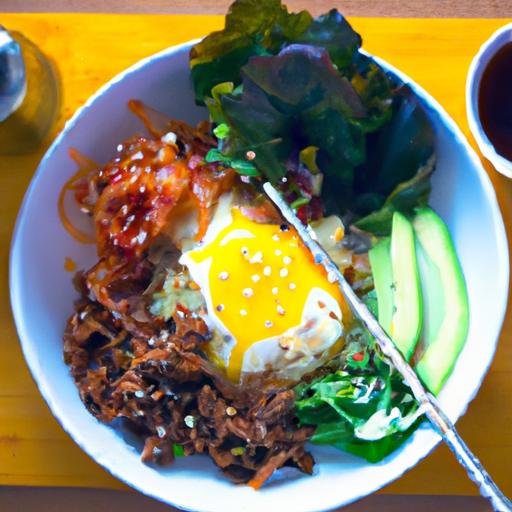

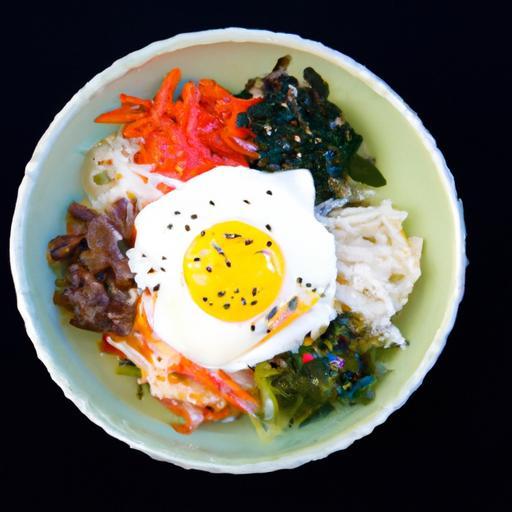
There’s something magical about bibimbap-a vibrant mosaic of colors, textures, and flavors nestled in a bowl, waiting to be stirred and savored. This beloved Korean classic isn’t just a meal; it’s a celebration of balance and harmony, where fresh vegetables, tender proteins, and a perfectly cooked egg come together over a bed of steaming rice. Whether you’re a seasoned foodie or a curious kitchen adventurer, our easy guide to classic bibimbap will help you whip up this iconic dish with confidence and flair. Get ready to explore the art of layering taste and tradition, transforming simple ingredients into a mouthwatering masterpiece that’s as satisfying to make as it is to eat.
Whip Up Flavor by diving deep into the vibrant world of bibimbap, a beloved Korean dish that beautifully combines an array of colors, textures, and bold tastes. This culinary masterpiece originated as a humble farmer’s meal-rice topped with fresh, sautéed vegetables and a dollop of fiery, fermented chili paste. Over time, bibimbap has evolved into a beloved classic, celebrated globally for its harmony of flavors and customizable nature. Whether you’re a seasoned cook or new to Korean cuisine, mastering this dish will elevate your kitchen repertoire and ignite your passion for authentic, nutritious food.
Prep and Cook Time
- Preparation: 30 minutes
- Cooking: 25 minutes
- Total Time: 55 minutes
Yield
4 servings
Difficulty Level
Medium – ideal for adventurous home cooks eager to master Korean flavors
Ingredients
- For the Vegetables and Rice:
- 2 cups short-grain white rice, rinsed and cooked
- 1 medium carrot, julienned
- 1 zucchini, julienned
- 1 cup spinach, blanched and squeezed dry
- 5 shiitake mushrooms, sliced thinly
- 1 cup mung bean sprouts, blanched
- 2 cloves garlic, minced
- 2 teaspoons sesame oil, divided
- Salt, to taste
- 1 tablespoon vegetable oil (for sautéing)
- 2 large eggs
- for the Gochujang Sauce:
- 3 tablespoons gochujang (Korean chili paste)
- 1 tablespoon toasted sesame oil
- 1 tablespoon honey or maple syrup
- 1 tablespoon rice vinegar
- 1 teaspoon soy sauce (or tamari for gluten-free)
- 1 teaspoon minced garlic
- 1 teaspoon toasted sesame seeds
- For Garnish and Assembly:
- Toasted sesame seeds
- Thinly sliced seaweed strips (gim/nori)
- chopped green onions
Instructions
- Prepare the rice: Start by rinsing the rice under cold water until the water runs clear. Cook it in a rice cooker or on the stovetop with 2¼ cups water until fluffy.
- Sauté each vegetable separately: In a skillet, heat 1 teaspoon vegetable oil over medium heat. Sauté the carrot with a pinch of salt until tender and slightly caramelized, about 3-4 minutes. Remove and set aside. Repeat this process separately for zucchini, spinach (just toss briefly with sesame oil and garlic), mushrooms (sauté until golden and fragrant), and blanched mung bean sprouts seasoned lightly with salt and garlic. Keeping vegetables separate preserves their unique flavor and texture.
- Make the gochujang sauce: in a small bowl, whisk together gochujang, sesame oil, honey, rice vinegar, soy sauce, minced garlic, and sesame seeds until smooth and glossy.Adjust sweetness or tanginess by adding more honey or vinegar to taste.
- Cook the eggs: Fry the eggs sunny side up in a non-stick pan with a drizzle of vegetable oil until whites are set but yolks remain runny-this adds richness and indulgence.
- Assemble your bibimbap: Place a generous scoop of warm rice in each bowl. Arrange the sautéed vegetables artfully around the rice, creating sections that showcase their vibrant colors and shapes.Place the fried egg gently on top.
- Garnish and serve: Drizzle the gochujang sauce on top or serve it on the side. Sprinkle toasted sesame seeds, chopped green onions, and seaweed strips for texture and visual appeal.
- Mix and enjoy: Encourage diners to mix the bowl thoroughly, combining all elements for a perfect balance of creamy yolk, spicy sauce, and vegetable freshness.
Chef’s Tips for Success
- Vegetable Prep: Slicing vegetables uniformly ensures even cooking and a polished presentation.
- Make It Gluten-Free: Substitute regular soy sauce with tamari to keep the dish inclusive without compromising flavor.
- Batch Preparation: Cook and season vegetables a day ahead to save time. Store separately in airtight containers and reheat gently before serving.
- Elevate Protein Options: Replace eggs with grilled marinated tofu or seared chicken breast for varied tastes and textures.
- Spice Adjustment: Control heat intensity by moderating the amount of gochujang or balancing with a bit more honey.
- Rice Alternatives: For a nuttier twist, swap white rice with short-grain brown rice or mixed grains.
Serving Suggestions
Serve bibimbap in traditional stone bowls (dol sot) if possible, which create a delightful crispy rice crust at the bottom when heated.For a rustic look, opt for earthenware bowls layered with harmonized colors that pop – vibrant orange carrots, deep green spinach, and glossy shiitake mushrooms contrast beautifully with the white rice.
Accompany your bibimbap with homemade kimchi for an authentic Korean dining experience bursting with umami and probiotics. Pair with a light, refreshing cucumber salad or a chilled cup of barley tea.
Encourage guests to mix everything at the table to awaken the harmonious explosion of textures and flavors, honoring the dish’s communal roots.
Nutritional Information
| per Serving | Calories | Protein | Carbs | Fat |
|---|---|---|---|---|
| Bibimbap bowl | 510 kcal | 18 g | 75 g | 10 g |
| Gochujang Sauce | 70 kcal | 1 g | 15 g | 2 g |


For more on Korean staples and seasoning secrets, explore our Guide to Korean ingredients or visit the official Maangchi website for trusted inspiration.
Q&A
Q&A: Whip Up Flavor – Your Easy Guide to Classic Bibimbap
Q1: What exactly is bibimbap?
A: Bibimbap, which means “mixed rice,” is a vibrant Korean dish that combines warm rice with an array of sautéed and seasoned vegetables, a savory protein, and a perfectly fried egg. it’s traditionally served with a dollop of spicy gochujang sauce, inviting you to mix everything together for a harmonious burst of flavors and textures.
Q2: What are the essential ingredients for making classic bibimbap?
A: At its heart,classic bibimbap features steamed white rice,sautéed spinach,julienned carrots,bean sprouts,shiitake mushrooms,zucchini,and a protein like ground beef or tofu. A fried egg crowns the dish,while sesame oil and toasted sesame seeds add that irresistible nutty aroma. Don’t forget the gochujang sauce-it’s the soul of bibimbap’s signature kick.
Q3: How can I make my bibimbap more authentic at home?
A: authenticity shines through in the preparation. Take time to season and lightly sauté each vegetable separately to preserve their distinct flavors. Use fresh sesame oil and toast your sesame seeds for that extra depth. The key is layering textures and balancing the spicy, savory, and nutty elements-plus mixing it all thoroughly before each bite.
Q4: can I substitute the traditional protein in bibimbap?
A: Absolutely! While ground beef is customary, bibimbap welcomes a variety of proteins. Try grilled chicken, marinated tofu, or even tempeh for a vegetarian twist. The goal is to complement the vegetables and rice without overpowering the dish’s balanced harmony.Q5: what makes bibimbap such a beloved dish worldwide?
A: Bibimbap captivates because it’s both colorful and customizable-a feast for the eyes and the palate. It’s nourishing,packed with vegetables,and offers a delightful mix of flavors-from umami to spicy to nutty-all in one bowl. Plus,it’s fun to eat,inviting everyone to mix and match their favorite ingredients.
Q6: How crucial is the gochujang sauce in bibimbap? Can I adjust its heat?
A: Gochujang is essential-it provides the characteristic spicy-sweet punch that sets bibimbap apart. However, spice levels can be easily adjusted. If you prefer milder heat,blend gochujang with a bit of sesame oil or honey to soften the spice without sacrificing flavor.
Q7: Are there any tips for serving bibimbap at a dinner party?
A: Presentation is key! Arrange your sautéed vegetables and protein artfully in separate piles atop the rice before adding the fried egg and sauce. Serve gochujang on the side, allowing guests to customize their spice levels. This colorful setup doubles as an interactive and gorgeous centerpiece.
Q8: Is bibimbap suitable for a quick, healthy meal?
A: Definitely! Bibimbap is quick to prepare, especially if you prep and sauté your veggies in advance. It’s a balanced meal, rich in fiber, protein, and vitamins, making it an excellent choice for a nourishing, flavorful lunch or dinner that energizes without heaviness.
Q9: Can bibimbap be enjoyed cold or is it best served warm?
A: Traditionally served warm to enjoy the comforting contrast of textures, bibimbap can also be delicious at room temperature, making it versatile for packed lunches or picnics. Just remember: when eating cold, mixing well helps meld the flavors beautifully.
Q10: What kitchen tools make preparing bibimbap easier?
A: A non-stick skillet for sautéing vegetables, a sharp knife for julienning, and a sturdy mixing bowl come in handy.If you want to get fancy, a dolsot (stone bowl) keeps bibimbap sizzling and crispy at the bottom, elevating its texture and presentation.
Final Thoughts
As you gather your ingredients and set about assembling your bibimbap, remember that this beloved korean dish is more than just a meal-it’s a vibrant celebration of flavors, textures, and tradition. Whether you stick to the classic recipe or add your own creative twist, bibimbap invites you to savor every colorful bite and embrace the joyful ritual of mixing it all together. So go ahead: whip up flavor, dive into balance, and let this easy guide inspire your next homemade culinary adventure. Your perfect bowl of bibimbap awaits-ready to nourish both body and soul.