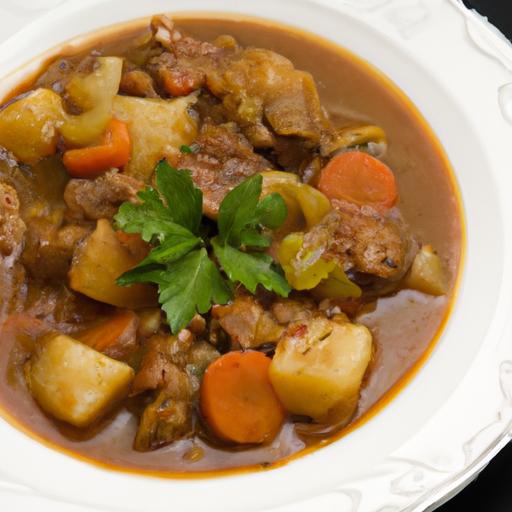

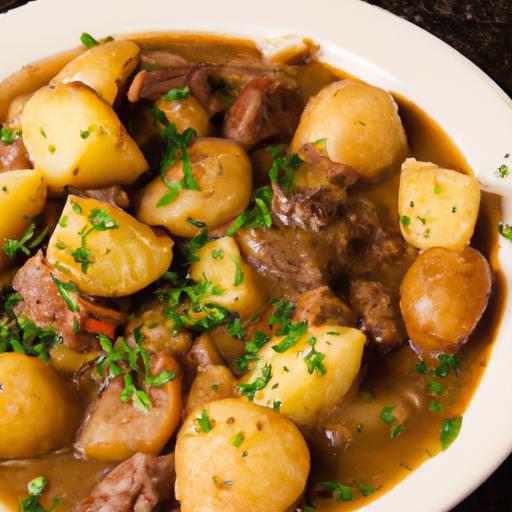
ThereS something undeniably soothing about a steaming bowl of hearty beef and potato stew-a dish that has warmed kitchens and hearts for generations. Rich with tender chunks of beef, earthy potatoes, and a symphony of aromatic herbs and vegetables, this classic comfort food embodies both simplicity and depth. But what is it that makes this humble stew so enduringly beloved? In this article, we’ll delve into the origins, essential ingredients, and cooking techniques that transform everyday components into a soul-satisfying feast. whether you’re a seasoned cook or a curious foodie, get ready to uncover the secrets behind this timeless staple that’s more than just a meal-it’s a warm, edible embrace.
Hearty beef and potato stew truly captures the essence of comfort food, bringing warmth and satisfying depth in every bite. This timeless dish, cherished across generations, showcases the magic that happens when richly flavored beef melds seamlessly with creamy yet chunky potatoes, slow-cooked to tender perfection. Rooted in rustic home cooking, it invites you to master the art of flavor layering-turning simple, quality ingredients into an unforgettable feast.
Prep and Cook Time
- Planning: 25 minutes
- Cooking: 2 hours 30 minutes (slow simmering)
- Total Time: Approximately 3 hours
yield
Serves 6 generous portions
Difficulty Level
Medium – perfect for home cooks ready to elevate a classic stew with thoughtful techniques.
Ingredients
- 2 lbs chuck beef, trimmed and cut into 1½-inch cubes
- 4 cups beef broth, low sodium
- 3 large Yukon Gold potatoes, peeled and cut into chunks
- 2 tbsp olive oil
- 1 large yellow onion, finely chopped
- 3 cloves garlic, minced
- 2 medium carrots, sliced diagonally
- 2 stalks celery, sliced
- 2 tsp smoked paprika
- 1 tsp dried thyme
- 2 sprigs fresh rosemary
- 1 bay leaf
- 1 tbsp tomato paste
- 1 tbsp Worcestershire sauce (gluten-free if needed)
- Salt & freshly ground black pepper, to taste
- 2 tbsp all-purpose flour (optional, for thickening)
- 2 tbsp cold water (to make a slurry if thickening)
Instructions
- Prepare the beef: Pat the beef cubes dry with paper towels to ensure a proper sear. Season generously with salt and pepper.
- Brown the beef: In a heavy-bottomed pot or Dutch oven, heat olive oil over medium-high heat. Add beef cubes in batches, avoiding overcrowding. Sauté until deeply browned on all sides, about 5 minutes per batch. Remove and set aside.
- Sauté the aromatics: In the same pot, add onions, carrots, and celery. Sauté until softened and fragrant, roughly 6-7 minutes, stirring regularly to prevent sticking.
- Add garlic and spices: Stir in minced garlic, smoked paprika, dried thyme, and tomato paste. Cook 2-3 minutes until the tomato paste darkens slightly and spices bloom, releasing aromatic oils.
- Deglaze and build flavor: Pour in a splash of beef broth to loosen any browned bits on the pot’s bottom. Scrape gently to integrate these flavor-packed morsels back into the stew.
- Combine and simmer: Return the browned beef to the pot along with the remaining broth, Worcestershire sauce, rosemary sprigs, and bay leaf. Bring to a gentle boil, then reduce heat to low. Cover and simmer for 1½ hours, stirring occasionally to prevent sticking.
- Prepare the potatoes: While the beef cooks, peel and cut Yukon Gold potatoes into rustic chunks. Their waxy texture holds shape beautifully yet yields creamy edges once cooked.
- Add potatoes and continue slow cooking: After the beef has simmered for 1½ hours and is tender, add the potatoes to the pot. Continue cooking uncovered for another 45 minutes, until potatoes are tender but not mushy, stirring gently every 10 minutes.
- Adjust thickness (optional): If your stew is thinner than desired, stir together the flour and cold water to create a slurry. Slowly whisk this into the simmering stew, cooking for 5 more minutes until slightly thickened.
- Final seasoning: Remove rosemary and bay leaf. Taste and adjust salt and pepper if needed.For an added herbal pop,stir in a handful of fresh chopped parsley just before serving.
Chef’s Notes
- Beef cuts matter: Chuck beef is ideal due to its marbling and connective tissue, which breaks down during slow cooking to enhance richness and tenderness.
- Layer flavor: Don’t rush the browning step; those caramelized edges build a luscious foundation in this hearty beef and potato stew.Use fresh herbs where possible for a vibrant finish.
- Potato choice: Yukon Gold’s balance of waxy and starchy qualities makes for a stew that is both creamy and chunky-no mushy lumps.
- Make-ahead tip: This stew tastes even better the next day as flavors continue to meld. Reheat gently over low heat, adding a splash of broth if needed.
- Slow cooker adaptation: After browning beef and sautéing veggies on the stovetop, transfer everything to a slow cooker and cook on low for 6-8 hours, adding potatoes in the last 1½ hours.
Serving Suggestions
Serve your hearty beef and potato stew steaming hot in rustic bowls. Garnish with finely chopped fresh parsley or thyme sprigs to brighten the robust flavors visually and aromatically. Pair with crusty bread or buttered dinner rolls to soak up the rich broth. For an extra touch, a dollop of sour cream or crème fraîche can add a cooling contrast to the deep savory notes. A crisp green side salad or roasted seasonal vegetables complement the dish perfectly for a balanced,soulful meal.
| Nutrient | Per Serving |
|---|---|
| Calories | 410 kcal |
| Protein | 38 g |
| Carbohydrates | 28 g |
| Fat | 14 g |

For more comfort food inspiration, check out our slow cooker beef recipes collection. learn more about selecting beef cuts from the Beef Its What’s For Dinner resource recommended by culinary experts.
Q&A
Q&A: Hearty beef and Potato Stew – A Classic Comfort Dish Explained


Q1: What makes beef and potato stew such a timeless comfort dish?
A1: Beef and potato stew embodies comfort through its rich, warming flavors and satisfying textures. tender chunks of slow-cooked beef meld with soft, hearty potatoes, creating a dish that’s both filling and soul-soothing. Its simplicity and adaptability have made it a beloved staple in manny cultures, perfect for chilly evenings and family gatherings.
Q2: Why is slow cooking essential for a great beef and potato stew?
A2: Slow cooking transforms tough cuts of beef into tender morsels by breaking down connective tissues over time. This gentle simmering process also allows flavors to meld beautifully, infusing the stew with depth and richness. Potatoes, simultaneously occurring, soften to a perfect consistency without falling apart, complementing the meat’s tenderness.
Q3: What cuts of beef work best in stew, and why?
A3: Cuts like chuck, brisket, or round are ideal as they contain enough marbling and connective tissue to become wonderfully tender during slow cooking. These cuts develop robust flavor and maintain structure, preventing the meat from turning mushy, which is key to that classic stew texture.
Q4: How do potatoes enhance the stew beyond just adding bulk?
A4: Potatoes act as both a textural and flavor partner. As they cook, they absorb the savory broth, enriching every bite. Their starch helps thicken the stew naturally,creating a luscious,velvety finish that coats the tongue and enhances the overall mouthfeel.
Q5: Can vegetables other than potatoes be combined into a beef stew?
A5: Absolutely! Carrots, parsnips, celery, and onions are classic companions, each contributing their own sweetness and earthiness. Greens like kale or spinach can be stirred in towards the end for a fresh, nutrient-packed contrast. The choice of vegetables can be tailored to personal taste or seasonal availability.
Q6: What role do herbs and spices play in perfecting a beef and potato stew?
A6: Herbs like thyme, rosemary, and bay leaves inject aromatic layers that complement the beef’s natural richness. A touch of black pepper and garlic adds warmth and complexity. These seasonings elevate the stew from simple sustenance to a truly memorable culinary experience.
Q7: Is it necessary to brown the beef before stewing?
A7: Browning the beef is highly recommended as it develops complex, caramelized flavors through the Maillard reaction. This step builds a rich base for the stew, enhancing both taste and color. Skipping it may lead to a less flavorful and visually pale final dish.
Q8: how can one adjust the stew’s consistency to personal preference?
A8: For a thicker stew, mashing a few potatoes or simmering uncovered helps concentrate the broth. Adding a small amount of flour or cornstarch slurry can also thicken the liquid. For a brothier, soup-like stew, simply add extra stock or water and adjust seasoning accordingly.
Q9: can this stew be prepared ahead of time?
A9: Yes! In fact, beef and potato stew often tastes better the next day as the flavors deepen overnight. Preparing in advance is perfect for busy schedules and makes for a convenient, hearty meal that reheats beautifully.
Q10: What sides best complement a hearty beef and potato stew?
A10: Crusty bread or buttery mashed potatoes are traditional companions, perfect for soaking up the savory broth. A crisp green salad with a tangy vinaigrette can provide a refreshing counterpoint, balancing the stew’s richness with bright, crisp notes.
In Summary
As the rich aroma of simmering beef and tender potatoes fills your kitchen,it’s clear why this classic stew has warmed hearts and homes for generations.More than just a meal, hearty beef and potato stew embodies comfort, tradition, and the simple joys of slow-cooked goodness. Whether you’re a seasoned cook or a curious beginner,mastering this timeless dish invites you to savor not only its robust flavors but also the stories and memories simmering beneath each spoonful. So next time the chill sets in or you seek a culinary hug, remember: a pot of beef and potato stew is more than food-it’s an embrace in a bowl.