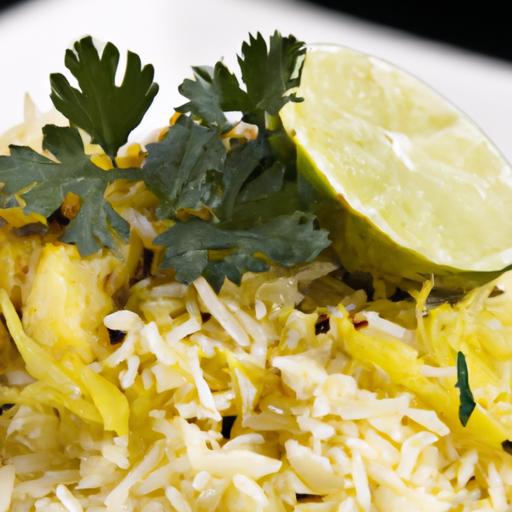

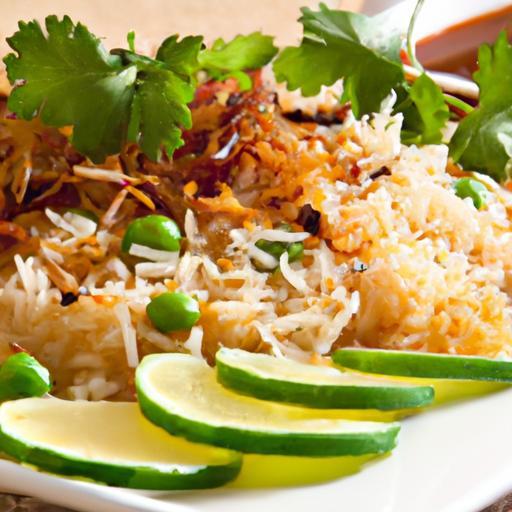
There’s something almost magical about a perfectly cooked pot of basmati rice-the delicate, fluffy grains that separate effortlessly, releasing their fragrant aroma like an invitation to savor every bite. Yet, for many home cooks, achieving this culinary nirvana can feel elusive, with soggy, sticky, or undercooked rice casting a shadow on mealtime joy. Mastering the art of cooking basmati rice is less about luck and more about understanding the nuances that transform simple grains into a tantalizing masterpiece. In this guide,we’ll unravel the secrets and time-tested techniques that ensure you serve flawless basmati rice every single time-turning an everyday staple into a dish worthy of festivity.
Understanding Basmati Rice Varieties and Their Unique Qualities
Mastering the Art: How to Cook Perfect Basmati Rice Every Time begins with recognizing that not all basmati rice is created equal. Originating from the foothills of the Himalayas, this aromatic long-grain rice is prized for its nutty aroma, delicate texture, and slender grains that elongate beautifully when cooked. The two primary varieties you’ll encounter are Conventional Basmati and 1509 Hybrid Basmati, each boasting distinct characteristics.
Traditional basmati has a more intense fragrance and slightly longer grains,ideal for celebratory dishes,while hybrid variants offer a shorter maturation time with slightly less aroma but excellent fluffiness. Knowing these subtle differences helps tailor your cooking approach, ensuring each grain remains separate and light.
Preparing Basmati Rice for Optimal Texture and Flavor
Planning is the cornerstone of triumph when working with basmati rice. Rinsing the grains thoroughly removes excess starch that can cause stickiness. Most connoisseurs recommend washing the rice 3-4 times in cold water until it runs clear. After rinsing, soaking the rice for 30 minutes softens the grains, promoting uniform swelling and that coveted fluffiness.
Don’t underestimate the soaking stage-it’s were raw rice transforms into a dish with a tender but firm bite. Draining the rice well before cooking ensures excess water doesn’t throw off the delicate water-to-rice balance.
Mastering the Water to Rice Ratio for Fluffy, Non-Sticky Results
A key pillar of mastering the art with basmati rice is the exact water to rice ratio. For stovetop cooking, a ratio of 1 cup basmati rice to 1.5 cups water is ideal. This precise calibration allows grains to absorb moisture fully without breaking or becoming mushy. Slight adjustments might be needed depending on your rice variety, altitude, and cooking equipment, but this baseline delivers consistent results.
For electric rice cookers or instant pots, follow manufacturer guidance but note that reducing water slightly can prevent overly sticky textures.
essential Cooking techniques and Tips for Perfectly Fluffed Basmati Rice
To cook flawless basmati rice:


- Bring the water to a gentle boil with a pinch of salt and a teaspoon of ghee or oil. This fat coats the grains, enhancing opacity and preventing clumping.
- Add the soaked and drained rice to the boiling water, then immediately reduce heat to the lowest simmer and cover tightly with a fitted lid.
- Cook undisturbed for 15 minutes. Avoid lifting the lid, which releases steam and interrupts hydration.
- Turn off the heat and let the rice rest for 10 minutes, allowing residual steam to finish cooking gently.
- Fluff the rice with a fork to separate each grain before serving, preserving that delicate, airy texture.
Consistently following these steps will reward you with platefuls of aromatic, pearl-white basmati rice that define culinary perfection.
Prep and Cook Time
- Preparation: 40 minutes (including soaking)
- Cooking: 15 minutes
- Total: 55 minutes
Yield
- Serves 4 generous portions
Difficulty Level
- Easy to Medium – Perfect for home cooks seeking reliable consistency
Ingredients
- 1 cup basmati rice, rinsed and soaked for 30 minutes
- 1 ½ cups water
- 1 tsp ghee or neutral oil (optional but recommended)
- ¼ tsp salt (adjust to taste)
Instructions
- After rinsing the basmati rice until water runs clear, soak it in cold water for 30 minutes. Drain well before cooking.
- In a medium saucepan, bring 1 ½ cups water to a boil with salt and ghee.
- Once boiling, add the drained rice gently to not break the grains.
- Reduce heat to the lowest setting and cover the pot with a tight-fitting lid immediately.
- Allow the rice to simmer undisturbed for 15 minutes. Do not peek during this time to keep steam locked in.
- Turn off heat and let the rice rest, covered, for another 10 minutes to ensure perfect steaming.
- Using a fork, fluff the rice gently to separate the grains and serve immediately.
Chef’s Notes
- flavor Infusions: Try adding whole spices like cinnamon stick, cardamom pods, or bay leaves during boiling for a fragrant twist.
- Water Adjustments: Hard water may require slightly more water; soft water might need less. Fine-tune after a few trials.
- Storage Tip: Cool leftovers spread in a thin layer to avoid clumping, then refrigerate in an airtight container for up to 3 days.
- Reheating: Steam with a sprinkle of water to refresh texture without drying out.
- substitutions: Ghee can be replaced with olive oil or coconut oil for a diffrent taste profile.
Serving Suggestions
This perfectly cooked basmati rice pairs beautifully with rich curries,grilled kebabs,or vegetable stir-fries. Garnish with freshly chopped cilantro, toasted slivered almonds, or delicate fried onions to add texture and color that invite indulgence.For a festive presentation,serve in a vibrant bowl alongside cooling cucumber raita or tangy mango chutney,balancing the aroma and flavor harmoniously.
| Nutritional Info (Per Serving) | Calories | Protein | Carbs | Fat |
|---|---|---|---|---|
| Basmati Rice, cooked | 190 kcal | 4 g | 42 g | 0.5 g |
Explore authentic basmati rice varieties for more in-depth insights. For inspiration on pairing this culinary staple, see our Top Indian Curries to Serve with Rice.

Q&A
Q&A: Mastering the Art – How to Cook Perfect Basmati Rice Every Time
Q1: What makes basmati rice different from other types of rice?
A1: Basmati rice is celebrated for its long, slender grains and distinctive nutty aroma. Unlike short or medium-grain rice varieties, basmati grains remain separate and fluffy when cooked properly, offering a light, airy texture that’s perfect for a wide range of dishes from biryanis to pilafs.
Q2: Why is rinsing basmati rice before cooking vital?
A2: Rinsing basmati rice removes excess surface starch that can cause the grains to stick together and become gummy. A gentle rinse helps maintain those prized individual, fluffy grains and enhances the rice’s natural fragrance.
Q3: How much water should I use to cook perfect basmati rice?
A3: The ideal water-to-rice ratio typically hovers around 1.5 to 1.75 cups of water per 1 cup of basmati rice. This balance ensures the rice cooks fully without becoming mushy or dry. Though,slight adjustments might potentially be needed based on the rice’s age or your local altitude.
Q4: What’s the secret to getting fluffy, non-sticky basmati rice?
A4: Besides rinsing, soaking the rice for at least 30 minutes helps the grains absorb some water and soften, resulting in even cooking and a tender bite. Cooking the rice with a tight-fitting lid over low heat allows steam to gently finish the process, preserving each grain’s integrity.
Q5: Can I cook basmati rice without soaking it?
A5: Yes,but soaking greatly improves texture by promoting even cooking and elongation of grains. If you’re short on time, rinsing well and increasing the cooking water slightly can help compensate-though soaked rice consistently yields better results.
Q6: Should I salt the water before cooking basmati rice?
A6: Adding a pinch of salt to the cooking water enhances the flavor depth without overpowering the rice’s subtle aroma. It’s a simple touch that elevates the finished dish, whether served as a base or a side.
Q7: What’s the best cooking method for perfectly fluffy basmati rice?
A7: Traditional stovetop simmering with a covered pot is a tried-and-true method. Bring rice and water to a boil, reduce to a gentle simmer, cover tightly, and avoid peeking. After cooking, let the rice rest off the heat for 5-10 minutes to absorb steam fully, then fluff gently with a fork.Q8: Can I use a rice cooker to prepare basmati rice?
A8: Absolutely! Rice cookers are fantastic for consistent results.Use the same water-to-rice ratio, rinse and soak your rice beforehand, and follow your rice cooker’s settings. The appliance will manage temperature and timing perfectly.
Q9: How do I keep cooked basmati rice from clumping or drying out when storing leftovers?
A9: Allow the rice to cool briefly before storing. To retain moisture and prevent clumping, place leftovers in an airtight container and refrigerate. When reheating, sprinkle a little water over the rice and warm gently, either in a microwave or on the stovetop, to revive its fluffiness.
Q10: Any tips to infuse extra flavor into basmati rice without overpowering its natural aroma?
A10: Toasting the dry rice grains lightly in ghee or oil before adding water adds a warm, nutty dimension. Complementary spices like whole cardamom pods, cloves, or a cinnamon stick can be added during cooking for subtle fragrance enhancements that celebrate the rice’s delicate character.
Mastering basmati rice is an art, combining patience, precision, and a touch of respect for the grain’s natural qualities. With these insights, you’re well on your way to perfect, fluffy, aromatic basmati rice every time you cook. happy cooking!
Future Outlook
From the first fragrant grain to the final fluffy bite, mastering the art of cooking perfect basmati rice transforms a simple staple into a culinary masterpiece. with the right techniques, patience, and a touch of love, you can elevate every meal and honor this timeless grain’s rich heritage. Whether served alongside vibrant curries or as the star of a delicate pilaf, your perfectly cooked basmati rice will always be a testament to your kitchen prowess. So, embrace these tips, trust the process, and let each pot of basmati rice be a celebration of flavor, texture, and tradition-one grain at a time.