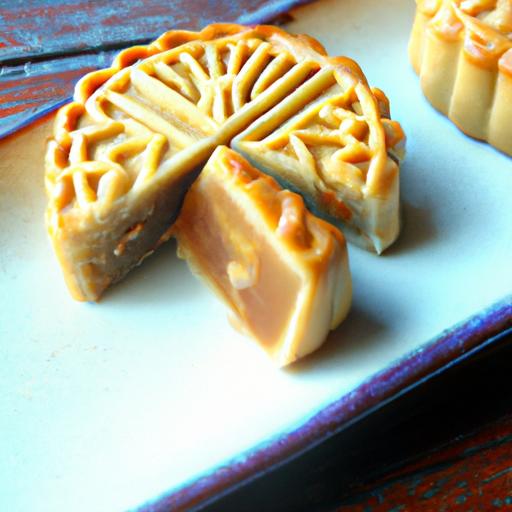

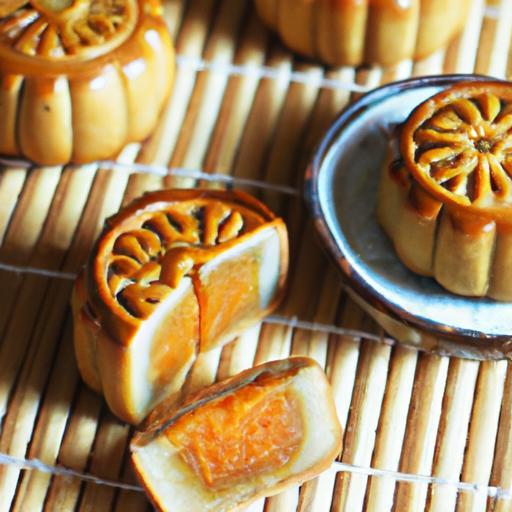
As the moon reaches its fullest and brightest,casting a silvery glow over festive nights,a lesser-known treasure of the Mid-Autumn Festival emerges from the shadows: the snow skin mooncake. Unlike its traditional baked counterpart,this delicate lunar delight enchants with its ethereal texture and subtle sweetness,inviting both the curious and the connoisseur to savor a modern twist on an ancient festivity. Join us as we unwrap the story behind snow skin mooncakes-exploring their origins, unique ingredients, and the cultural importance that continues to make them a beloved treat beneath the harvest moon.
Discovering Snow Skin Mooncakes is like uncovering a treasure trove of delicate flavors and textures that have redefined the traditional Lunar Festival experience. Originating from Hong Kong in the 1980s, these ethereal, non-baked mooncakes boast a soft, chewy exterior made from glutinous rice flour and lusciously varied fillings that invite endless creativity.Unlike their baked counterparts, snow skin mooncakes are a refreshing delight-cool to the touch and gently sweet, perfect for savoring during the warm autumn evenings of the Mid-Autumn Festival.
Prep and Cook Time
- Readiness: 40 minutes
- Chilling: 2 hours
- Total time: 2 hours 40 minutes
Yield
Yields approximately 12 snow skin mooncakes (each about 60g)
Difficulty Level
Medium – Requires attention to dough consistency and proper chilling for best texture
Ingredients
- Snow Skin Dough:
- 100g glutinous rice flour, sifted
- 30g rice flour
- 60g fine sugar
- 200ml milk (or any plant-based milk for a vegan option)
- 40g vegetable oil (neutral flavor such as canola or grapeseed)
- 1/4 tsp salt
- Optional: natural food coloring (matcha powder, beetroot powder, or butterfly pea powder)
- Filling:
- 400g lotus seed paste or red bean paste (choose classic or flavored with pandan for a modern twist)
- optional mix-ins: toasted sesame seeds, chopped nuts, or melon seeds for added texture
- Dusting:
- Cornstarch or glutinous rice flour for coating mooncake molds and hands
Instructions
- Prepare the dough: In a heatproof bowl, mix glutinous rice flour, rice flour, sugar, and salt. Gradually whisk in milk and vegetable oil until a smooth, lump-free batter forms.
- Steam the dough batter: Cover the bowl with plastic wrap and steam over boiling water for 20 minutes, ensuring gentle steam to avoid water droplets falling into the dough.Remove and stir well; the dough should be thick and sticky like mochi.
- Cool and knead: Transfer dough onto a clean surface dusted with cornstarch. When warm but manageable, knead gently until smooth. If desired, divide into portions and knead in natural colour powders.
- Prepare the filling: Divide the lotus seed or red bean paste into 12 equal balls, approximately 30g each. If including mix-ins, incorporate gently now.
- Assemble mooncakes: Divide the dough into 12 equal portions (~35g).Flatten a dough ball with dusted hands and create a small cup. Place the filling ball in the center, gently pinching the dough around it to seal.
- Mold the mooncakes: Lightly dust traditional snow skin mooncake molds with cornstarch. Press each filled ball firmly into the mold, then tap out carefully onto a tray lined with parchment paper.
- Chill before serving: Refrigerate the mooncakes for at least 2 hours to firm up, allowing the delicate chewy texture to develop and flavors to meld beautifully.
Tips for Success
- Maintain a lightly dusted surface with cornstarch to prevent sticking without compromising softness.
- If dough is too sticky, cool it slightly and dust hands more; if too dry, try kneading in a few drops of milk.
- Experiment with natural colors and flavors in the dough for modern flair-matcha offers an earthy tone, beetroot lends a gentle pink, and butterfly pea powder brings a stunning blue hue.
- Make a day ahead; mooncakes taste even better once chilled well, and store them in an airtight container in the refrigerator.
- Glutinous rice flour quality influences texture; opt for Japanese mochiko flour if available for a silkier mouthfeel.
Serving Suggestions
Snow skin mooncakes are best enjoyed chilled,allowing the soft snow-like exterior to contrast with the rich,smooth filling. Present them on delicate porcelain plates with a light dusting of edible gold dust or a shimmer of toasted sesame seeds on top for soirée appeal. Pair these delights with floral teas such as jasmine or chrysanthemum to awaken subtle natural sweetness.
For a contemporary Lunar Festival table, incorporate iced fruit teas with fresh lychee or calamansi slices for refreshing notes that balance the mooncakes’ density.Garnish the serving platter with freshly sliced starfruit and pastel-colored edible flowers to amplify the visual artistry.
| Nutrition (per mooncake) | Calories | Protein | Carbs | Fat |
|---|---|---|---|---|
| Estimate | 190 kcal | 3 g | 38 g | 2 g |

For more insight on traditional Asian desserts and their evolution, visit Food Timeline: Asian Desserts. Also, explore our Classic Lunar Festival Mooncake Recipes to deepen your cultural culinary repertoire.


Q&A
Q&A: Discovering Snow Skin Mooncakes: A Delicate Lunar Delight
Q1: What exactly are snow skin mooncakes?
A: Snow skin mooncakes are a modern twist on the traditional mooncake, originating from Hong Kong in the late 20th century. Unlike their baked counterparts with glossy golden crusts, these mooncakes feature a soft, chewy, and slightly translucent outer layer made from glutinous rice flour. They’re known for their cool, refreshing texture and are typically enjoyed chilled-making them a perfect treat during the Mid-Autumn Festival.
Q2: How is the texture of snow skin mooncakes different from traditional ones?
A: The texture is their defining feature. Traditional mooncakes have a tender, sometimes crumbly crust that encases dense fillings. Snow skin mooncakes, however, boast a delicate, mochi-like exterior that’s smooth, pliable, and softly elastic. This gives them an almost ethereal mouthfeel that melts in your mouth rather than offering the slight crunch or firmness of baked versions.
Q3: What are common fillings found inside snow skin mooncakes?
A: Snow skin mooncakes showcase a wide array of fillings, from classic lotus seed paste and sweet red bean to modern interpretations such as creamy custard, mung bean paste, or tropical flavors like mango and durian. many also incorporate bits of nuts or seeds for a delightful contrast in texture. The subtle sweetness paired with the delicacy of the snow skin creates a harmonious balance that appeals to both traditionalists and adventurers alike.
Q4: Why is the snow skin mooncake so popular in warmer climates?
A: Because snow skin mooncakes are served chilled, their cool, refreshing quality makes them especially popular in warmer climates or during the hot late summer festival season.They offer a reprieve from the richness of traditional mooncakes and align beautifully with modern tastes favoring lighter, less oily desserts.This cooling effect is part of what makes snow skin mooncakes feel like a true delicacy.
Q5: How is the snow skin made, and what gives it its signature appearance?
A: The snow skin is crafted primarily from glutinous rice flour, sometimes combined with a touch of wheat starch and sweet rice flour, then steamed and kneaded to a smooth dough. Often,a bit of vegetable oil or shortening is incorporated to keep it tender and pliable. The dough is usually dusted with cornstarch or icing sugar to prevent sticking, and its pale, slightly translucent look is reminiscent of freshly fallen snow-hence the name “snow skin.”
Q6: Can snow skin mooncakes be customized or decorated?
A: Absolutely! One of the joys of snow skin mooncakes is their versatility. Their soft exterior can be molded into intricate shapes or stamped with beautiful designs,including floral patterns or auspicious symbols associated with the Mid-Autumn Festival. Additionally, vibrant colors derived from natural ingredients like matcha, butterfly pea flower, or pumpkin can be added to the dough, creating visually stunning pieces that delight both the eyes and the palate.Q7: How should snow skin mooncakes be stored and enjoyed?
A: Snow skin mooncakes are best refrigerated and served cold. As of their fresh, moist composition, they have a shorter shelf life than baked mooncakes, usually lasting about 3 to 5 days when kept chilled. Enjoying them fresh ensures the delicate skin remains supple and the fillings taste vibrant.Before eating, allow them to rest at room temperature for a few minutes for optimal softness.
Q8: What makes snow skin mooncakes a unique part of the Mid-Autumn Festival celebration?
A: Snow skin mooncakes offer a contemporary expression of an age-old tradition. They embody innovation while honoring the festival’s spirit of reunion and sweetness. Their light, refreshing nature complements the festive atmosphere, encouraging sharing and delighting taste buds in a fresh way. For many, discovering snow skin mooncakes is like unveiling a hidden gem that connects the past and present in every bite.
The Conclusion
As the moon’s gentle glow continues to inspire countless traditions, snow skin mooncakes stand out as a modern yet timeless tribute to the Mid-Autumn Festival. Their delicate texture and subtle flavors invite us to savor more than just a treat-they offer a moment of cultural connection, artistry, and celebration. Whether you’re a seasoned mooncake enthusiast or a curious newcomer, discovering snow skin mooncakes opens a window into a world where tradition meets innovation in the most delightful way.So next time the moon shines full and shining, consider indulging in this ethereal lunar delight, and let each bite transport you across the seasons and stories that this unique delicacy carries within.