
In a world where vibrant flavors and wholesome nourishment frequently enough seem at odds, discovering meals that are both fresh and flavorful-without piling on the carbs-can feel like a culinary treasure hunt. Enter the realm of low-carb vegetarian cuisine: a deliciously inventive way to embrace plant-based eating without sacrificing taste or texture. Whether you’re looking to lighten your plate,boost your energy,or simply explore new tastes,this guide will open the door to inventive recipes and smart ingredient swaps that prove vegetarian meals can be as satisfying as they are nutrient-packed. Get ready to embark on a journey where leafy greens meet zesty spices, crunchy veggies mingle with creamy textures, and every bite bursts with freshness-welcome to your ultimate guide to fresh and flavorful low-carb vegetarian meals.
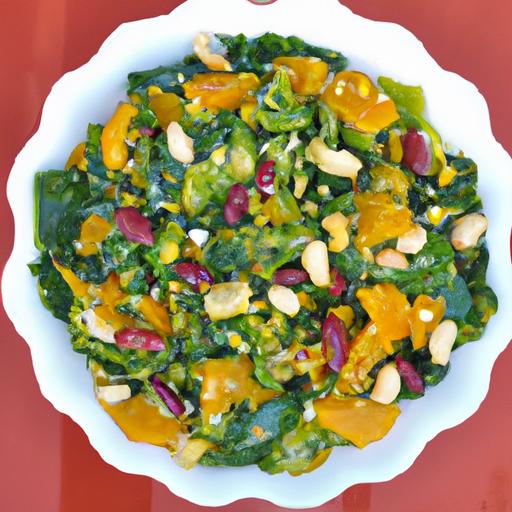
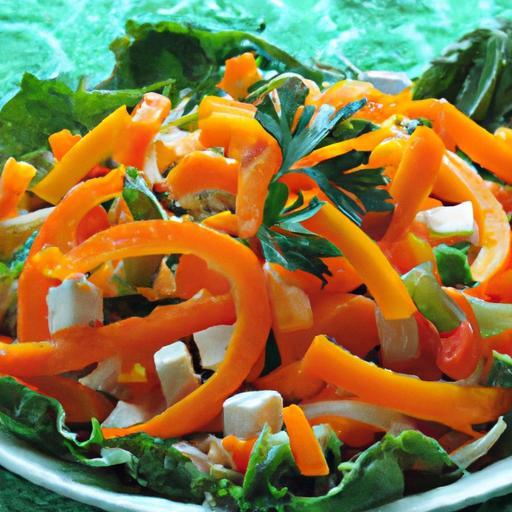
Fresh & Flavorful: Your Guide to Low-Carb Vegetarian Meals opens the door to an inspiring world where plant-based proteins take center stage. Embracing vibrant vegetables paired with innovative low-carb swaps, these dishes spark creativity and nourish your body without sacrificing taste or satisfaction. Let’s explore how these ingredients come alive with colorful presentations and bold flavors, transforming your kitchen into a hub of wholesome, satisfying meals.
Prep and Cook Time
- Prep Time: 15 minutes
- Cook time: 25 minutes
- Total Time: 40 minutes
Yield
Serves 4 hearty portions, perfect for family dinners or meal prepping for the week.
Difficulty Level
Medium – approachable for confident home cooks seeking fresh, vibrant plates packed with nourishment.
Ingredients
- 1 cup chickpea flour, sifted for smooth batter
- 2 cups cauliflower florets, finely chopped
- 1 medium zucchini, julienned into thin strips
- 1/2 cup edamame, shelled and steamed
- 1 cup fresh spinach, roughly chopped
- 1 small red bell pepper, diced
- 2 tablespoons nutritional yeast for an umami boost
- 1 teaspoon smoked paprika
- 1/2 teaspoon garlic powder
- 1/4 teaspoon turmeric powder for vibrant color
- 1 teaspoon Himalayan pink salt, or to taste
- 1/2 teaspoon black pepper, freshly ground
- 3 tablespoons olive oil, divided
- 1/4 cup fresh cilantro, finely chopped
- Juice of 1 lemon
Instructions
- Prepare the batter: In a large mixing bowl, whisk the chickpea flour with 1 1/2 cups water until smooth and lump-free. Stir in the nutritional yeast, smoked paprika, garlic powder, turmeric, salt, and pepper. Allow it to rest for 5 minutes to hydrate and thicken slightly.
- incorporate vegetables: Fold the chopped cauliflower, zucchini, edamame, spinach, and red bell pepper into the batter. Mix gently but thoroughly so each veggie is coated evenly.
- Heat the pan: Warm 2 tablespoons of olive oil over medium heat in a large non-stick skillet. Once shimmering, spoon 1/4 cup portions of the batter into the pan, flattening gently to form small vegetable pancakes.
- Cook until golden: Sauté each side for 4-5 minutes until the edges are crisp and golden brown, carefully flipping to avoid breaking. Adjust heat as needed to prevent burning while ensuring thorough cooking through the center.
- Drain and rest: Transfer cooked pancakes to a paper towel-lined plate to absorb excess oil. repeat until all batter is used, adding remaining olive oil if necessary.
- Add fresh zest: Just before serving, drizzle the lemon juice over the warm pancakes and sprinkle with freshly chopped cilantro for a radiant, refreshing contrast.
Tips for success
- Substitutions: Swap chickpea flour with almond flour for a nuttier flavour and slightly lower carbs, adjusting water as almond flour absorbs differently.
- Make ahead: Batter can be prepared up to 2 hours in advance and refrigerated; stir gently before cooking to recombine ingredients.
- Keep pancakes crispy: Place cooked pancakes on a wire rack instead of stacked to prevent sogginess.
- Boost protein: Add a handful of hemp seeds or chopped walnuts to the batter for texture and extra nutrition.
- Spice level: For a subtle kick, fold in 1/4 teaspoon cayenne pepper or fresh chopped jalapeño to the batter.
Serving Suggestions
Serve these colorful vegetable chickpea pancakes alongside a dollop of tangy Greek yogurt or vegan cashew sour cream. Garnish with microgreens, a sprinkle of sesame seeds, and thin lemon wedges for a vibrant, Instagram-worthy plate. They pair beautifully with a lightly dressed kale and avocado salad or a warm, spiced lentil stew to make a complete meal bursting with texture and flavor.

| Nutrient | Per Serving (1 pancake) |
|---|---|
| Calories | 180 kcal |
| Protein | 8 g |
| Carbohydrates | 12 g |
| fat | 9 g |
Harnessing Fresh & Flavorful: Your Guide to Low-Carb Vegetarian Meals
Incorporating diverse plant proteins such as chickpea flour alongside nutrient-rich vegetables is a cornerstone of fresh & flavorful: your guide to low-carb vegetarian meals. This approach transforms typical meals into vibrant,satisfying experiences without nudging carb counts too high. For more inspiration on creative low-carb swaps and nourishing vegetarian pantry staples, visit our Vegetarian Low-Carb Kitchen Essentials page.
For detailed nutritional insights on plant-based proteins and their benefits, the Healthline article on plant-based protein sources is an excellent resource to deepen your understanding.


Q&A
Q&A: Fresh & Flavorful – Your Guide to Low-Carb Vegetarian Meals
Q1: What exactly is a low-carb vegetarian diet, and how does it differ from other vegetarian diets?
A1: A low-carb vegetarian diet focuses on limiting carbohydrate intake while excluding meat and fish.Unlike standard vegetarian diets that might emphasize grains, legumes, and starchy vegetables, the low-carb vegetarian approach favors non-starchy veggies, healthy fats, and plant-based proteins that keep carbs in check-think leafy greens, nuts, seeds, tofu, and creamy avocados. It’s about balancing nourishment and taste without loading up on bread, pasta, or potatoes.Q2: Why choose a low-carb vegetarian lifestyle?
A2: Whether you’re aiming for weight management, better blood sugar control, or simply crave a vibrant, nutrient-packed plate, a low-carb vegetarian diet offers many benefits. It’s rich in fiber, antioxidants, and plant-powered nutrients while helping stabilize energy. Plus, it sparks creativity in the kitchen, inspiring fresh takes on familiar ingredients without sacrificing flavor or variety.
Q3: What are some common low-carb vegetarian protein sources?
A3: Protein is vital, and luckily slow-carb vegetarian diets offer plenty of flavorful candidates. Think beyond beans-try tofu, tempeh, seitan, hemp seeds, chia seeds, various cheeses, nuts, and eggs if your vegetarian style allows.These not only provide satisfying protein but also add texture and depth to dishes that keep your meals exciting and hearty.
Q4: How can I keep my meals flavorful without relying on carbs?
A4: Flavor is king! Herbs, spices, citrus zest, fermented foods, and umami-rich ingredients like mushrooms and nutritional yeast become your best friends. Experiment with garlic, ginger, smoked paprika, fresh basil, and tangy vinegars to layer complexity and zing. Roasting, grilling, or sautéing vegetables bring out their natural sweetness and crunch, creating irresistible textures.
Q5: Are there any easy low-carb vegetarian meal ideas to get started?
A5: Absolutely! Try a colorful zucchini noodle stir-fry tossed with garlic, tofu cubes, sesame seeds, and a splash of tamari. Or whip up stuffed bell peppers with cauliflower rice, spinach, pine nuts, and goat cheese. Breakfast can be as simple as creamy avocado and egg salad on crisp cucumber slices. These meals are fast, fresh, and full of flavor without piling on the carbs.
Q6: What about snacks-can they be low-carb and vegetarian?
A6: Definitely! Think crunchy roasted chickpeas (in moderation), cheese slices paired with olives, or a handful of mixed nuts with fresh herbs. Veggie sticks dipped in guacamole or a tangy yogurt-based dip make satisfying choices. Keep an eye on portion sizes, especially for nuts and seeds, to stay low-carb without losing flavor over the day.
Q7: How can I balance my intake of fats and carbs on a low-carb vegetarian diet?
A7: As carbs are limited, fats frequently enough become the main energy source-prioritize healthy fats from avocados, olive oil, nuts, seeds, and coconut. These fats promote satiety and help your body absorb vital nutrients.Combine these with fiber-rich,low-carb vegetables to create meals that feel indulgent yet wholesome.Q8: Can I enjoy desserts while following this lifestyle?
A8: Oh yes! Low-carb vegetarian desserts can be luscious and guilt-free. Whip up chia pudding sweetened with stevia and topped with fresh berries, or try avocado chocolate mousse using cocoa powder and a splash of your favorite plant-based milk. The secret lies in using natural low-carb sweeteners and wholesome fat-based ingredients that make every bite burst with flavor.
By embracing fresh vegetables, vibrant spices, and clever protein swaps, your journey through low-carb vegetarian eating becomes an adventure-not a restriction. Ready to savor every bite? Let your taste buds lead the way!
Wrapping Up
As you embark on your low-carb vegetarian journey, remember that fresh ingredients and vibrant flavors are your greatest allies. With a palette full of herbs, spices, and wholesome produce, creating satisfying meals that nourish both body and soul has never been easier-or more delicious. Let this guide inspire you to experiment boldly, savor each bite, and redefine what it means to eat thoughtfully and low-carb. After all, grate food is not just about what’s on your plate, but the vibrant life it fuels within you. Here’s to a future filled with fresh, flavorful, and fulfilling vegetarian meals!