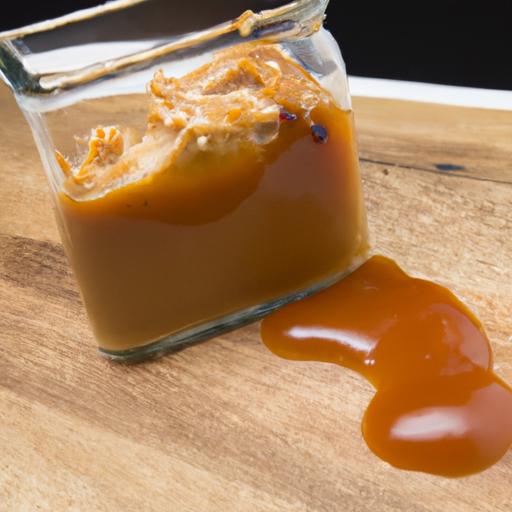

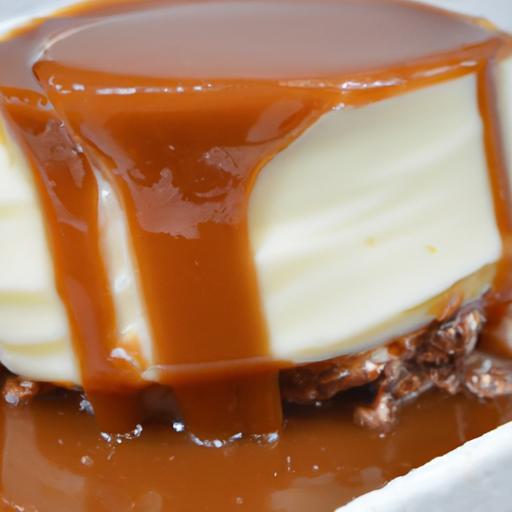
There’s a certain magic in the way salted caramel sauce dances across the tongue-a beguiling balance of sweet and salty that elevates simple desserts into unforgettable experiences. But behind this luscious, amber-hued drizzle lies a delicate interplay of chemistry and craftsmanship, a true “sweet science” that transforms humble sugar, cream, and salt into liquid gold. In this article, we’ll unravel the art and science behind perfect salted caramel sauce, exploring how precise temperatures, ingredient ratios, and timing come together to create that irresistibly smooth texture and complex flavor that keeps taste buds coming back for more. Whether you’re a seasoned pastry pro or a curious home cook, get ready to discover the fascinating processes that turn ordinary ingredients into an extraordinary indulgence.
Understanding the Chemistry of Caramelization and Sugar Heating
Salted caramel sauce is a sublime balance of science and art. At its core lies the fascinating chemistry of caramelization-a change that turns simple sugar into a rich, golden elixir bursting wiht complex, nutty, and buttery flavors. When sugar heats, its molecules break down and reorganize, developing a symphony of aroma compounds. Watch closely as the crystals melt into amber honey hues, signaling the perfect moment to introduce cream and butter, locking in that glossy texture that defines the sauce.
But heat is a delicate dance. Too hot or rushed, and bitterness seeps in; too cool, and the depth remains shallow. this is where understanding the molecular ballet helps in perfecting the sweet science behind salted caramel sauce.
Balancing Sweetness and Saltiness for Optimal Flavor Harmony
The soul of salted caramel is the equilibrium between its two contrasting elements-sweet sugar and flaky salt. Salt heightens sweetness by suppressing bitterness, creating a complex flavor profile that’s concurrently indulgent and refreshing.This dance of tastes evokes memories of buttered popcorn, toasted nuts, or even the warm, cozy aura of a fireside treat.
Choosing the right quantity is crucial; too little salt dulls the caramel’s brilliance, while excess overwhelms sweetness and masks subtle notes. Sprinkling just the right flakes at the end or stirring in fine salt during cooking brings delightful bursts of flavor and prevents monotony.
Choosing the Right Salt and Its Impact on Texture and Taste
Not all salts are created equal in caramel making. Flaky sea salt like Maldon offers delicate crunch and a clean, luminous finish, while fine kosher salt dissolves seamlessly, infusing complexity without texture contrast. Some chefs even experiment with smoked salts to introduce a whisper of savory depth.Texture matters immensely: a coarse salt can provide occasional popping crisps, elevating the eating experience, whereas a fine salt integrates uniformly, emphasizing silky smoothness.
Personally, I favor a balance: stirring in fine salt for backbone flavor, then finishing with a sprinkling of flakes for that delightful pop. This method turns every spoonful into a layered experience.
Techniques for Achieving Silky smooth and Velvety Consistency
Consistency is king when crafting a luscious salted caramel sauce. A perfectly smooth sauce should cascade like liquid gold, glossy and velvety-never grainy or thickened unevenly. The key lies in careful temperature control and methodical stirring.


- Begin by heating sugar gently over medium-low heat, allowing even melting without burning shards.
- Refrain from stirring prematurely; swirling the pan encourages uniform melting while preventing crystallization.
- Once amber color develops, removing from heat before adding warm cream prevents the sauce from seizing.
- Slowly incorporate room temperature cream and softened butter, whisking briskly to emulsify fats and sugars into a unified, creamy texture.
- Strain through a fine mesh sieve if needed to eliminate any recrystallized bits for ultra-smooth finish.
Patience and precision in each step unlock the magic beneath-achieving that signature richness that coats the palate without stickiness.
Prep and Cook time
- prep Time: 10 minutes
- Cook Time: 15 minutes
- Total Time: 25 minutes
Yield
About 1 ½ cups (enough for 8-10 servings)
Difficulty Level
Medium – requires attention to temperature and timing but rewarding in result
Ingredients
- 1 cup granulated sugar
- 6 tablespoons unsalted butter, cut into pieces, at room temperature
- ½ cup heavy cream, warmed
- 1 teaspoon fine sea salt
- Flaky sea salt (such as Maldon), for finishing
Instructions
- Warm the cream gently in a small pot or microwave until hot but not boiling; set aside.
- In a medium, heavy-bottomed saucepan, heat the granulated sugar over medium-low heat. Let it melt slowly without stirring, swirling the pan occasionally for even heating. Watch as it transforms into a smooth, amber caramel-this takes about 8-10 minutes.
- Once the caramel reaches a deep golden color and emits a rich aroma, immediately add the butter pieces, whisking briskly to incorporate. The mixture will bubble vigorously-this is normal.
- Slowly pour in the warm cream in a thin stream while continuously whisking. This helps create a smooth,creamy emulsion.
- Remove the pan from heat and stir in the fine sea salt until fully dissolved. Allow the sauce to cool in the pan for a few minutes before transferring to a heat-safe container.
- Once cooled slightly, sprinkle flaky sea salt over the top as garnish for bursts of texture and taste just before serving.
- Store the sauce in an airtight jar in the refrigerator for up to two weeks. Warm gently before use.
Chef’s Notes
- Ensure butter and cream are at room temperature to avoid shocking the caramel, which can cause seizing.
- For a vegan variation, substitute butter with coconut oil and cream with full-fat coconut milk, though flavor and texture will slightly vary.
- if the caramel crystallizes or becomes grainy, gently reheat over low heat with a splash of cream while whisking to smooth it out.
- Elevate this sauce by adding a vanilla bean pod during the cream warming stage for aromatic depth.
- Make ahead and refrigerate; warm in short bursts to regain pourable consistency without breaking the emulsion.
Serving Suggestions
Drizzle this golden salted caramel sauce over creamy vanilla ice cream, swirl into hot chocolate, or use as a heavenly dip for freshly sliced fruits like apples or pears. For an indulgent touch,garnish desserts with a pinch of extra flaky sea salt and a sprig of fresh mint or edible gold flakes to dazzle presentation. Spoon it generously over pancakes or waffles for a brunch treat that will steal the show.

| Nutrient | Per 2 Tbsp Serving |
|---|---|
| Calories | 120 |
| protein | 0.2 g |
| Carbohydrates | 15 g |
| Fat | 7 g |
For deeper insight on caramelization science, visit Serious Eats’s scientific guide. And to explore other luscious sauces perfect for your desserts, check out our Decadent Dessert Sauces series.
Q&A
Q&A: The sweet Science Behind Perfect Salted Caramel Sauce
Q1: What makes salted caramel sauce different from regular caramel?
A1: at its core,salted caramel sauce balances sweetness with a subtle hint of saltiness.The salt enhances the deep, rich flavors of caramelized sugar, creating a harmonious contrast that excites the palate. Unlike plain caramel, which can sometimes feel overwhelmingly sweet, salted caramel has a layered complexity that feels both indulgent and refined.
Q2: How does sugar transform into caramel?
A2: Caramelization begins when sugar heats beyond its melting point,roughly 320°F (160°C). As it melts and heats further, sugar molecules break down and recombine into hundreds of new compounds, producing that signature golden-brown color and complex flavor. This transformation turns simple granulated sugar into a symphony of nutty, buttery, and toasted notes.
Q3: Why is the timing and temperature so critical when making caramel sauce?
A3: Precision is key. Too low a temperature, and the sugar won’t caramelize sufficiently, leaving the sauce bland and grainy. Too high,and it burns,becoming bitter and unusable. The ideal caramel temperature ranges between 340°F and 350°F (170°C to 177°C). This sweet spot yields a sauce that’s deeply flavored, smooth, and luxuriously silky.
Q4: What role does salt play chemically in salted caramel sauce?
A4: Salt contains sodium ions which interact with taste receptors on the tongue, suppressing bitterness and amplifying sweetness. In salted caramel, the salt doesn’t just add a pop of flavor; it also enhances the perception of the caramel’s rich, buttery undertones by balancing the sugar’s intense sweetness. The result? A more rounded and satisfying taste experience.
Q5: Why is butter critically important in caramel sauce?
A5: butter adds fat, which lends the sauce a velvety texture and adds richness. It also helps temper the caramel’s intensity by blending with the sugar’s flavor compounds, softening the sharp edges and contributing creamy notes. Plus, butter encourages smoothness, preventing the sauce from crystallizing and making it perfect for drizzling or dipping.
Q6: Can making salted caramel sauce be tricky? How can I avoid common pitfalls?
A6: Yes, caramel can be notoriously temperamental! Avoid stirring the sugar as it heats to prevent premature crystallization. Use a heavy-bottomed pan for even heat distribution, and watch the color closely-the shift from light amber to rich amber happens quickly. Adding the cream slowly and carefully also ensures a smooth emulsion rather than a broken sauce.
Q7: How does cream influence the flavor and texture of salted caramel?
A7: Cream introduces moisture and fat, turning hardened caramelized sugar into a pourable, luscious sauce. It cools the caramel mixture, halting further cooking and deepening the richness with dairy’s characteristic flavor. The cream’s fat helps temper the caramel’s sweetness and highlights the toasted notes, achieving that perfect balance of creamy and sticky.
Q8: Can I adjust the salt level? What kind of salt works best?
A8: Absolutely! Salt is the adjustable hero in salted caramel, allowing you to tailor the balance to your taste. Flaky sea salt or Maldon salt is ideal because their delicate crystals dissolve gradually and provide bursts of flavor. For a subtler finish, fine kosher salt can be used.Simply start with a pinch and add more as you go-taste continually!
Q9: Is there a way to make salted caramel sauce with less sugar but keep its character?
A9: Reducing sugar too much alters caramelization and flavor development because sugar is the main caramelizing agent. Though, pairing caramel with natural flavor enhancers like a touch of vanilla or a splash of citrus zest can enrich the sauce without needing excessive sugar. Just remember: the magic is in well-caramelized sugar,so cutting back significantly can sacrifice the signature taste.Q10: How can I use salted caramel sauce beyond just a topping?
A10: Salted caramel sauce is incredibly versatile! Use it as a filling for pastries, swirl it into ice cream or yogurt, drizzle over roasted nuts or popcorn, or incorporate it into cocktails and coffee drinks (sans any non-advised ingredients). Its rich, complex flavor elevates both sweet and subtly savory creations, making it a kitchen staple for adventurous cooks and sweet lovers alike.
With the perfect blend of science and art, salted caramel sauce transforms everyday ingredients into a sublime experience. Understanding the chemistry behind each step lets you craft that golden drizzle of sweet and salty perfection time after time.
Insights and Conclusions
as we conclude our journey through the sweet science behind perfect salted caramel sauce, it’s clear that this beloved confection is much more than just sugar melting in a pan. It’s an intricate dance of chemistry and culinary art-where precise temperatures coax complex flavors,and a touch of salt transforms sweetness into sublime harmony. Armed with this knowledge, you’re now ready to create your own luscious batches, balancing the molten magic just right. So go ahead, embrace the alchemy of caramel, and let each drizzle tell the tasty story of science meeting sweetness.