
There’s a captivating magic simmering within the vibrant folds of traditional kimchi-a Korean culinary treasure that’s as rich in history as it is in flavor. Unlocking the secrets of an authentic kimchi recipe at home is more than just a cooking venture; it’s an invitation to embark on a sensory journey, blending time-honored techniques wiht the freshest ingredients. Whether you’re a seasoned fermenter or a curious kitchen explorer, discovering how to craft this iconic dish offers a glimpse into centuries of culture and a tasty way to elevate your meals with probiotic goodness. Join us as we peel back the layers of this beloved staple and reveal how you can create your own jar of fermented bliss, bursting with the unmistakable tang and spice that makes kimchi truly unforgettable.
Unlock the Secrets of an Authentic Kimchi Recipe at Home by diving deep into the vibrant world of fermentation, where every ingredient plays a starring role. This centuries-old Korean staple is not just a condiment but a living, breathing symphony of bold flavors and textures that develop beautifully with time. From the crisp bite of napa cabbage to the fiery warmth of gochugaru, understanding these essential components and techniques will empower you to create kimchi that’s bursting with authenticity and your own signature twist.
Prep and Cook Time
- preparation: 30 minutes
- Fermentation: 3-7 days (depending on desired sourness and temperature)
Yield
- Servings: Approximately 6 servings
Difficulty Level
- Medium – requires some preparation and attention to fermentation but rewarding for all skill levels
Ingredients
- 2 lbs Napa cabbage, quartered and rinsed
- 1/4 cup sea salt, coarse (for salting cabbage)
- 4 cups water, for soaking
- 1 tbsp glutinous rice flour (sweet rice flour)
- 1/2 cup Korean red chili flakes (gochugaru) – adjust for spice preference
- 1/4 cup fish sauce (or soy sauce for vegetarian alternative)
- 1 tbsp minced garlic
- 1 tsp grated ginger
- 3 scallions, sliced into 1-inch sections
- 1 medium carrot, julienned
- 1/2 Korean radish (mu), peeled and cut into thin matchsticks
Instructions
- Salt the cabbage: Dissolve the sea salt in 4 cups of water. Submerge the quartered napa cabbage in the brine, placing a heavy plate on top to keep it submerged. Let it soak for 2 to 3 hours, turning occasionally to ensure even salting. The cabbage shoudl soften but remain crisp.
- Prepare the rice flour porridge: In a small saucepan, combine 1 cup water and glutinous rice flour. Stir constantly over medium heat until thickened, about 5 minutes. Remove from heat and let cool completely.
- Make the kimchi paste: To the cooled porridge,add gochugaru,fish sauce,minced garlic,and grated ginger. Mix thoroughly into a vibrant red paste. Add more gochugaru if you prefer extra heat.
- Rinse and drain cabbage: Thoroughly rinse the salted cabbage multiple times under cold water to remove excess salt. Drain well, gently squeezing to expel excess moisture without bruising the leaves.
- Combine vegetables and paste: In a large mixing bowl, mix scallions, carrot, and Korean radish with the kimchi paste.Wearing kitchen gloves, coat each cabbage leaf generously with the paste mixture, ensuring it gets between each layer for full flavor penetration.
- Pack and ferment: Tightly pack the kimchi into a clean glass jar or traditional onggi jar, pressing down to eliminate air pockets. Leave 1 inch of headspace. Seal loosely and leave to ferment at room temperature for 3 to 5 days, tasting daily. Once desired fermentation is reached, refrigerate.
Tips for Success
- Use fresh napa cabbage with thick white ribs and vibrant green leaves for the best texture and flavor.
- Maintaining salt balance is key; too much salt can inhibit fermentation, too little and spoilage may occur.
- Fermentation temperature around 65-72°F (18-22°C) yields balanced tang and spice.Cooler temps slow fermentation but develop deeper flavor over time.
- Gloves are a must! to protect hands from chili paste and ensure even mixing without irritation.
- Customize your kimchi: Try adding apple or pear puree to the paste for subtle sweetness, or swap fish sauce with miso paste for a vegan-kind umami punch.
Serving Suggestions
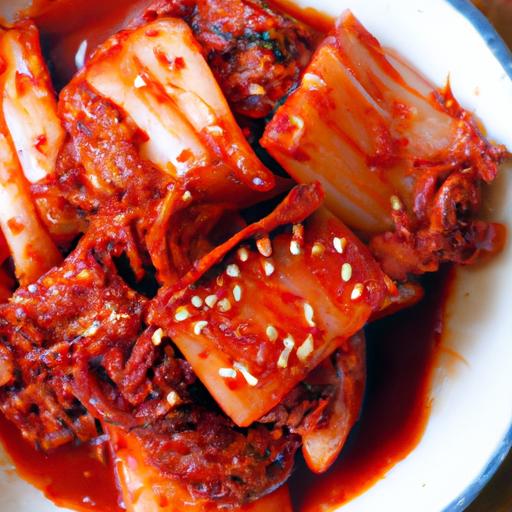
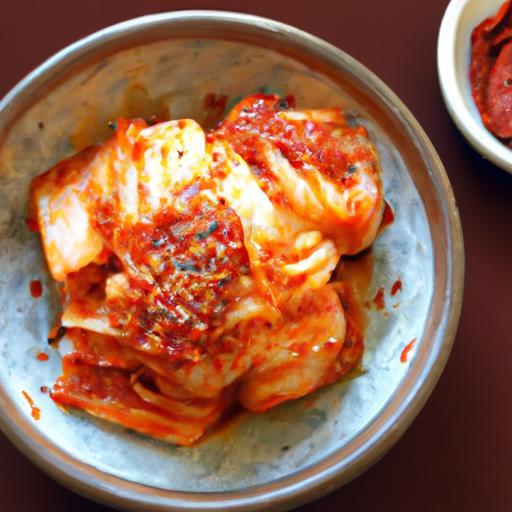
Kimchi shines as a side dish alongside simple steamed rice or grilled vegetables. for a fresh twist, garnish with toasted sesame seeds and thinly sliced fresh chili for added color and heat. Stir into soups and stews to brighten flavors,or use as a tangy topping for tacos and sandwiches to add a punch of fermentation magic. For visual impact, serve in a rustic ceramic bowl with chopsticks resting on the side, highlighting the kimchi’s vivid reds and greens against white porcelain.
| Nutrient | Per Serving |
|---|---|
| Calories | 45 kcal |
| Protein | 2 g |
| Carbohydrates | 8 g |
| Fat | 0.5 g |

For even deeper insights into fermentation mastery, visit Cultures for Health – Kimchi Fermentation Guide. Additionally, explore our comprehensive fermentation techniques article to refine your skills and inspire new creations.
Q&A
Q&A: Unlock the Secrets of an Authentic Kimchi Recipe at Home
Q1: What makes kimchi so special compared to othre fermented foods?
A1: Kimchi is not just a fermented dish; it’s a vibrant tapestry of Korean culture,tradition,and flavor. Unlike many other fermented foods, kimchi combines the perfect balance of spicy, sour, salty, and umami notes, all coming from simple natural ingredients like Napa cabbage, chili flakes, garlic, and ginger. Its complex flavors develop over time thru a unique fermentation process, offering both robust taste and probiotic benefits.
Q2: Can I make kimchi at home without specialized equipment?
A2: Absolutely! Authentic kimchi can be crafted right in your kitchen with everyday items. All you need is a clean, airtight container-think glass jars or food-grade plastic containers-plus some patience. The key is controlling the fermentation environment: keeping it cool but not too cold, and away from direct sunlight.This simplicity makes kimchi accessible to both beginners and seasoned fermenters alike.Q3: What is the role of fermentation in making authentic kimchi?
A3: Fermentation is the heart and soul of kimchi. It’s the magical process where naturally occurring lactic acid bacteria transform raw vegetables into a tangy, flavorful masterpiece. Not only does fermentation enhance taste and texture, but it also boosts nutritional value, introducing beneficial probiotics that support digestion and immunity.


Q4: How significant is the timing during the kimchi-making process?
A4: Timing is crucial! From the initial salting of the cabbage-which draws out moisture and softens the leaves-to the fermentation stage, each step requires attention. Salting typically takes a few hours, while fermentation can range from a couple of days at room temperature to several weeks in colder conditions.the longer the fermentation,the deeper and more pungent the flavor becomes,so personal preference guides the perfect timing.
Q5: Are there variations of kimchi that don’t use cabbage?
A5: Definitely! While Napa cabbage kimchi is the most iconic, kimchi is wonderfully versatile. Many variations exist using radish (mu), cucumber, or even leafy greens like mustard greens. Each vegetable brings its own texture and taste to the dish, showing how kimchi can adapt to seasonal produce and personal tastes while preserving its authentic essence.
Q6: What tips ensure a truly authentic flavor without guesswork?
A6: To capture that authentic kimchi magic, start with high-quality, fresh ingredients-fresh Napa cabbage, Korean red chili flakes (gochugaru), garlic, ginger, scallions, and a touch of fermented fish sauce or vegan alternatives like kelp powder for umami depth. Avoid overloading on water or salt, and embrace the natural fermentation timeline. Remember, good kimchi is a living food that evolves, so taste it as it ferments and adjust your future batches accordingly.
Q7: How can I enjoy kimchi beyond the traditional side dish?
A7: Kimchi’s bold flavor makes it a culinary superstar beyond the table. Mix it into fried rice for a spicy twist, use it as a tangy topping on tacos or burgers, blend it into stews for extra depth, or even stir it into noodles and pancakes. Its versatility invites endless creativity-each bite unleashing layers of complexity that enhance a variety of dishes.
Q8: Is kimchi healthy, and can it fit into different diets?
A8: Absolutely! Kimchi is low in calories yet packed with fiber, vitamins, and probiotics. It supports digestive health and can be a flavorful addition to vegan, vegetarian, gluten-free, and dairy-free diets. Its natural fermentation process preserves nutrients and promotes gut health, making it a smart and tasty choice for wellness enthusiasts.
Unlocking the secrets of making authentic kimchi at home opens a doorway into Korean culinary heritage, where every batch is a journey in flavor, tradition, and well-being.With a little patience and enthusiasm, your kitchen can transform into a kimchi haven!
To Conclude
As you close the jar on your homemade kimchi, you’re not just preserving cabbage – you’re capturing centuries of tradition, culture, and flavor in every spicy, tangy bite. Unlocking the secrets of an authentic kimchi recipe at home is more than a culinary adventure; it’s an invitation to connect deeply with Korean heritage, one fermenting batch at a time. So roll up your sleeves,embrace the transformative magic of fermentation,and let your kitchen become a gateway to vibrant tastes and timeless stories. your authentic kimchi journey has just begun.