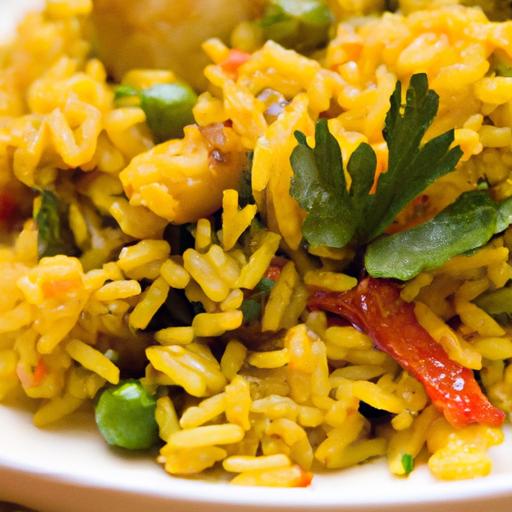

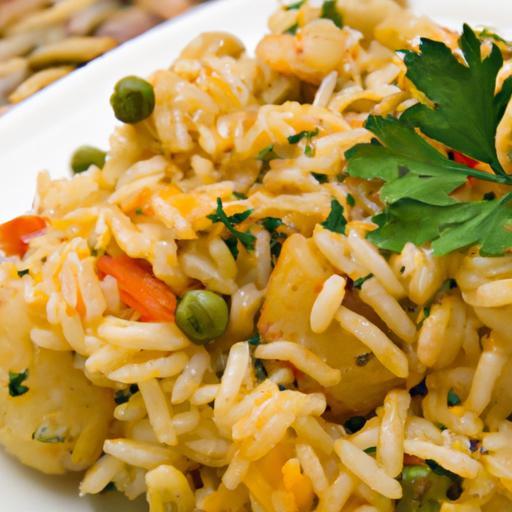
Beneath the radiant sun of the Mediterranean coast, where azure waves meet golden sands, a culinary treasure has long been celebrated: the humble yet enchanting rice pilaf. “Sun-Kissed Mediterranean Rice Pilaf: A Flavorful Journey” invites you to explore more than just a dish-it’s an odyssey through vibrant flavors, fragrant herbs, and time-honored traditions.This pilaf is a tapestry of sun-ripened tomatoes, aromatic spices, and tender grains that together tell a story of culture, craft, and conviviality. Join us as we embark on a sensory voyage, uncovering the secrets behind this beloved Mediterranean classic and how it continues to bring warmth and zest to tables around the world.
Origins and Authentic Ingredients That Define Mediterranean rice Pilaf
Sun-Kissed Mediterranean Rice Pilaf captures the soul of coastal kitchens where the golden sun kisses every ingredient with warmth and vibrancy. This beloved dish traces its origins to a mosaic of cultures across the Mediterranean basin-where Greek, Turkish, Lebanese, and North African influences beautifully interlace. Each region brings its unique touch, yet the heart of the pilaf remains the same: a perfectly toasted grain of rice, gently cooked in fragrant broth, and subtly infused with fresh herbs and citrus.The magic of this rice pilaf lies not only in its humble ingredients but in how they harmonize into a layered symphony of flavor and texture.
The foundation is always impeccable long-grain rice, prized for its fluffiness and ability to absorb aromatic liquids without turning mushy. classic medleys include extra-virgin olive oil, fresh lemon zest, and a bright bouquet of herbs like parsley, dill, and mint. Toasting the rice in olive oil or butter first gives it a nutty complexity, enhancing the dish’s character. Chickpeas, pine nuts, or slivered almonds occasionally join the dish, adding earthiness and crunch. The authenticity shines in the simplicity-the freshest local ingredients, balanced on a plate that mimics the Mediterranean coast’s natural bounty.
Prep and Cook Time
- Readiness: 15 minutes
- Cooking: 25 minutes
- Total Time: 40 minutes
Yield
Serves 4 as a side or 2-3 as a light main course.
Difficulty Level
Easy to Medium: Perfect for cooks new to layered rice dishes but looking to elevate their flavor game.
Ingredients
- 1½ cups long-grain white rice, rinsed until water runs clear
- 3 tablespoons extra-virgin olive oil
- 1 small onion, finely chopped
- 2 garlic cloves, minced
- 3 cups vegetable broth (preferably homemade or low-sodium)
- 1 teaspoon sea salt
- ½ teaspoon freshly ground black pepper
- Zest and juice of 1 large lemon
- 2 tablespoons fresh parsley, finely chopped
- 1 tablespoon fresh dill, chopped
- 1 tablespoon fresh mint, chopped
- 2 tablespoons toasted pine nuts (optional, for garnish)
Instructions
- Toast the rice: Heat olive oil over medium heat in a heavy-bottomed saucepan. Add the rinsed, drained rice and sauté gently, stirring constantly, until the grains become translucent and take on a light golden hue, approximately 5 minutes. This step unlocks the rice’s nutty essence.
- Sauté aromatics: Add onion to the pan and cook until softened and slightly golden, about 4 minutes. Stir in the garlic and cook for an additional 30 seconds to 1 minute, until fragrant but not browned.
- Simmer with broth: Pour in the vegetable broth, sea salt, and black pepper. Stir once, then bring to a boil. Reduce heat to low, cover tightly with a lid, and let simmer gently for 18 minutes. Avoid lifting the lid during cooking to preserve steam.
- Steam to fluffiness: Remove from heat and let the rice rest,lid still on,for 7 minutes to allow the grains to finish cooking through steam-this ensures a light,tender texture.
- Layer fresh brightness: Fluff the rice lightly with a fork. Stir in lemon zest, lemon juice, and all the fresh herbs carefully to distribute flavor evenly without breaking the grains.
- Garnish and serve: Transfer to a serving bowl and sprinkle toasted pine nuts over the top for an added crunch and nutty compliment. Serve warm.
Tips for Success
- Rice choice matters: Opt for long-grain varieties like Basmati or Jasmine for the fluffiest pilaf that stays distinct and light.
- Rinsing rice: Rinsing removes excess starch, preventing clumping and yielding a cleaner bite.
- Broth base: Homemade vegetable broth elevates depth, but high-quality store-bought broth works well too. Avoid salted broths to control seasoning.
- Herbs: freshness will shine. Substitute with dried herbs if necessary, but reduce quantity by half.
- Make-ahead: Prepare the pilaf up to step 4,cool entirely,then refrigerate. Reheat gently with a splash of broth to restore moisture before adding fresh herbs and citrus.
Pairing Suggestions to Elevate Your Sun-Kissed Mediterranean Pilaf Experience
This flavorful rice pilaf shines alongside vibrant grilled vegetables-think charred zucchini, bell peppers, and eggplant drizzled with lemony tahini sauce. For protein, tender grilled chicken marinated in herbs and citrus or succulent baked fish with a sprinkle of za’atar creates a stunning balance.A crisp, fresh salad of cucumber, tomatoes, olives, and red onion tossed in olive oil and fresh lemon ties the entire meal together. Garnish your plate with additional chopped herbs and a wedge of lemon to encourage bright, refreshing bites that echo the Mediterranean sun.
| Nutrient | Per Serving |
|---|---|
| Calories | 280 kcal |
| Protein | 5 g |
| Carbohydrates | 50 g |
| Fat | 7 g |

For those eager to explore more vibrant Mediterranean dishes, check out our guide on mediterranean Quinoa Salad. For more in-depth culinary history and ingredient sourcing, visit Britannica’s Mediterranean cuisine overview.


Q&A
Q&A: Sun-Kissed Mediterranean Rice Pilaf: A Flavorful Journey
Q1: What makes the Mediterranean Rice Pilaf “sun-kissed”?
A1: The term “sun-kissed” evokes the warm, bright flavors of the Mediterranean sunshine captured in every grain of this rice pilaf. It’s the harmonious blend of golden saffron, ripe tomatoes, fresh lemon zest, and fragrant herbs like rosemary and oregano that infuse the dish with a vibrant, sun-drenched essence.Q2: What type of rice is best for this Mediterranean pilaf?
A2: medium-grain rice works beautifully here, as it absorbs flavors well without becoming mushy-think Arborio or Calrose. These varieties allow each grain to stay tender and separate, perfect for showcasing the medley of Mediterranean ingredients.
Q3: Are there customary Mediterranean spices that give this pilaf its authentic flavor?
A3: Absolutely! Besides saffron,which adds both color and subtle earthiness,spices like cumin,coriander,and a touch of smoked paprika bring warmth and depth. Fresh herbs such as thyme, parsley, and mint also layer in brightness and complexity.
Q4: Can this rice pilaf be made vegetarian or vegan?
A4: Yes! Mediterranean cuisine is naturally abundant in plant-based flavors. using vegetable broth rather of chicken broth, along with olive oil and plenty of fresh vegetables-like artichokes, roasted red peppers, and olives-makes this pilaf delightfully vegan without sacrificing richness.
Q5: How can one enhance the texture and flavor of the pilaf?
A5: Toasting the rice gently in olive oil before adding broth creates a nutty aroma and firmer texture. Additionally, finishing the dish with toasted pine nuts or almonds introduces a pleasant crunch and a hint of natural sweetness.Q6: What Mediterranean ingredients can I add to make the dish even more vibrant?
A6: Feel free to include sun-dried tomatoes, Kalamata olives, sautéed eggplant cubes, or even small artichoke hearts. Each ingredient contributes distinct colors and flavors that celebrate the diversity of Mediterranean terroirs.Q7: Is this rice pilaf suitable as a side dish, or can it stand alone as a meal?
A7: Sun-Kissed Mediterranean Rice Pilaf is versatile-it shines as a side accompanying grilled vegetables, seafood, or chicken. However, packed with veggies and protein-rich chickpeas or lentils, it can easily become a satisfying main course.
Q8: How do the citrus elements influence the overall flavor profile?
A8: Lemon zest and a splash of fresh lemon juice brighten the dish, balancing its earthy and savory notes with refreshing acidity. This citrus burst mimics the Mediterranean coast’s invigorating breeze, elevating every bite with lively zest.
Q9: Can this pilaf be prepared ahead of time? How does it reheat?
A9: Yes! The pilaf develops even deeper flavor when allowed to rest overnight, making it perfect for meal prep or entertaining. When reheating, add a splash of broth or water to restore moisture and gently warm it on the stove or in the oven to preserve texture.
Q10: What beverages pair well with this flavorful Mediterranean rice pilaf?
A10: Light, refreshing beverages complement this dish splendidly-think sparkling water infused with fresh herbs, chilled herbal iced teas, or citrusy non-alcoholic mocktails that echo the bright, clean flavors of the pilaf.
In conclusion
As the sun sets on our flavorful journey through the vibrant landscapes of the Mediterranean, this sun-kissed rice pilaf stands as a delicious testament to the region’s rich culinary heritage. Infused with aromatic herbs,tender vegetables,and a symphony of spices,each bite transports you to sun-drenched shores and bustling markets where tradition meets taste. Whether shared at a family table or enjoyed in quiet reflection, this pilaf invites you to savor not just a meal, but a story-one of warmth, culture, and the timeless joy of good food. So next time you crave a dish that’s both comforting and adventurous, let this mediterranean masterpiece be your passport to flavor.