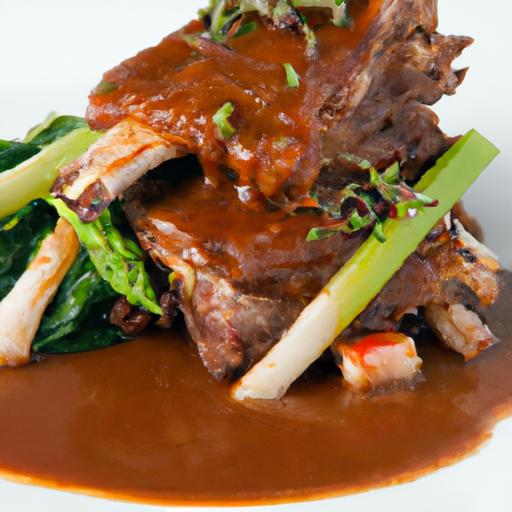

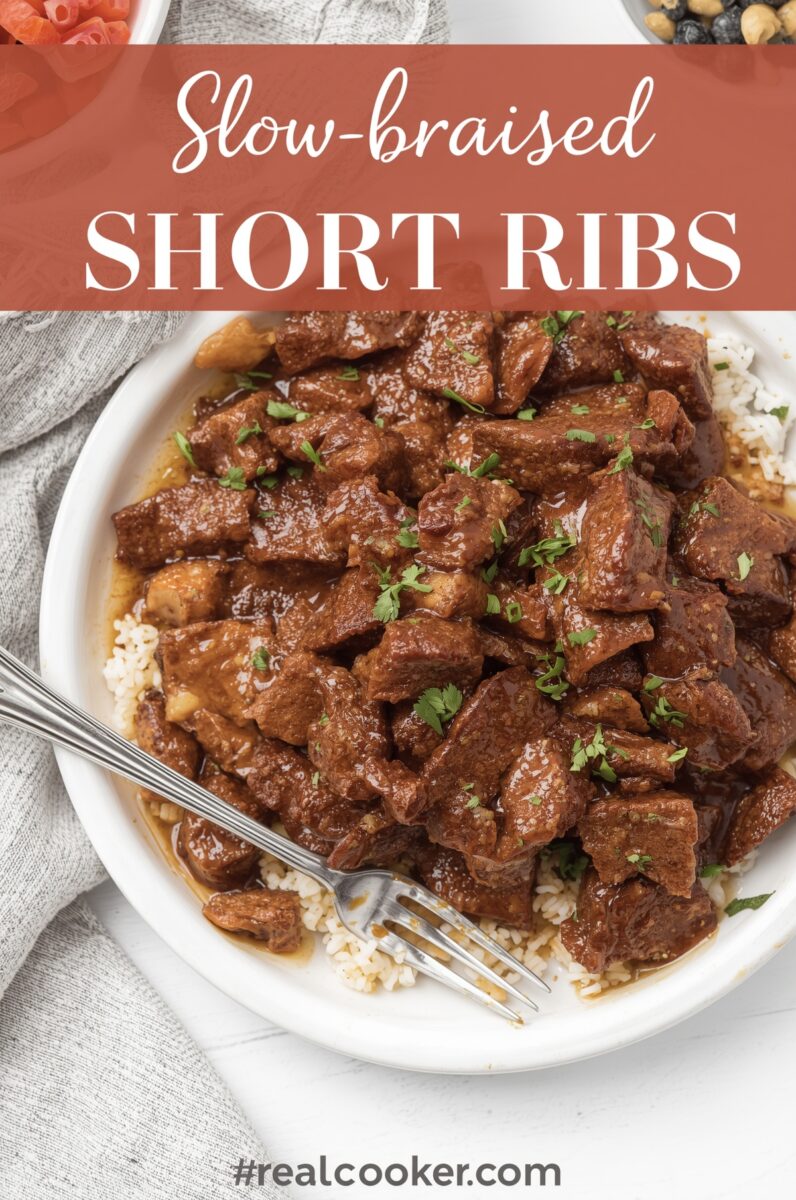
There’s a quite magic in the slow alchemy of braising-where tough, sinewy cuts transform into tender morsels that melt effortlessly on the tongue.Among these culinary marvels, short ribs stand as a testament to the rewards of patience and careful technique. “Tender perfection: The Art of Slow-Braised Short Ribs” explores this timeless process, revealing how low and slow heat, harmonious seasoning, and attentive care unlock deep, rich flavors and a velvety texture that dances between rustic comfort and gourmet indulgence. Join us as we delve into the science, tradition, and artistry behind crafting short ribs that aren’t just meals, but experiences savored bite by sumptuous bite.
Tender Perfection is truly achievable when you understand the chemistry behind slow-braising short ribs. This transformative cooking technique breaks down tough connective tissues and infuses every bite with rich, deep flavors, resulting in a dish that’s irresistibly tender and profoundly satisfying. Whether you’re new to braising or seeking to elevate your culinary craftsmanship, mastering the interplay of cut selection, braising liquid composition, and precise temperature control is key to unlocking melt-in-your-mouth excellence.
Prep and Cook Time
- Preparation: 30 minutes
- Cooking: 3 to 4 hours low and slow
- total Time: Approximately 4 hours 30 minutes
Yield
Serves 6 generously, ideal for family dinners or intimate gatherings.
Difficulty Level
Medium – perfect for confident home cooks ready to deepen their slow-cooking skills.
Ingredients
- 4 lbs beef short ribs, cut into 2-inch pieces, bone-in
- 2 tbsp vegetable oil, for searing
- 1 large onion, diced
- 3 cloves garlic, minced
- 2 large carrots, peeled and chopped
- 2 stalks celery, chopped
- 2 cups low-sodium beef broth
- 1 cup tomato puree (or passata)
- 2 tbsp soy sauce (adds umami depth without overpowering)
- 1 tbsp balsamic vinegar, to brighten flavors
- 1 tsp dried thyme
- 1 tsp dried rosemary
- 2 bay leaves
- Salt and freshly ground black pepper, to taste
Instructions
- Prepare the short ribs: Pat the short ribs dry with paper towels to ensure a perfect sear. Season generously with salt and pepper on all sides.This initial seasoning is critical to building layers of flavor.
- Sear the meat: Heat vegetable oil in a heavy-bottomed Dutch oven over medium-high heat. Sear the short ribs in batches, avoiding overcrowding; cook each side until deep golden brown, about 3-4 minutes per side. Remove and set aside.
- Sauté the aromatics: Lower heat to medium. Add onion, carrots, and celery to the pot. Cook until softened and lightly caramelized, approximately 7-8 minutes. Stir in garlic and cook for an additional 1 minute, releasing fragrant warmth.
- Deglaze and build the braising liquid: Pour in the beef broth, tomato puree, soy sauce, and balsamic vinegar. Scrape the fond (browned bits) from the bottom of the pot – these pockets of flavor are essential for depth.
- Add herbs and return ribs: Stir in thyme, rosemary, and bay leaves. Nestle the seared short ribs back into the liquid, ensuring they are partially submerged but not drowned to allow tenderizing steam to circulate.
- Braise low and slow: Bring to a gentle simmer, then cover the pot tightly. Transfer to a preheated oven at 300°F (150°C). cook undisturbed for 3 to 4 hours, until the meat is fork-tender and nearly falling from the bone.
- Finish and rest: Carefully remove ribs from the braising liquid. If you prefer a thicker sauce, simmer the liquid over medium heat until reduced to a rich consistency. Adjust seasoning with salt and pepper. Return ribs to the sauce briefly before serving.
Tips for Success: Perfecting Tender Perfection
- Choose well-marbled short ribs: Look for cuts with generous intramuscular fat – this melts during braising for moist, succulent meat.
- Patience is your ally: Avoid rushing the braise; the low-and-slow method is crucial to breaking down connective tissue and achieving superb tenderness.
- layer your flavors: Searing and deglazing aren’t just steps – they’re basic to a deep, umami-rich sauce.
- Make it ahead: Slow-braised short ribs often taste even better the next day after resting overnight in their sauce.
- Substitutions: Use mushroom broth rather of beef broth for a plant-forward variant without sacrificing richness.
Serving Suggestions
Serve these luscious short ribs atop creamy mashed potatoes, buttery polenta, or even a silky parsnip puree to soak up every drop of the luscious sauce. Garnish with freshly chopped parsley or thyme sprigs to brighten presentation and aroma. For an extra touch, add roasted root vegetables on the side for a wholesome, rustic feast that comforts and delights.

Nutrition Facts
| Nutrient | Per Serving |
|---|---|
| Calories | 580 |
| Protein | 48 g |
| Carbohydrates | 12 g |
| Fat | 38 g |
For more mouthwatering slow-cooked recipes, check out our guide on Slow-Cooked Beef and Vegetable Stew. To understand the science behind meat braising in greater detail, visit serious eats’ extensive braising resource.
Q&A
Q&A: Tender Perfection – The Art of Slow-Braised Short Ribs
Q1: What makes slow-braising the perfect method for cooking short ribs?
A1: slow-braising transforms tough, collagen-rich short ribs into melt-in-your-mouth delicacies. The long, gentle cooking process allows connective tissues to break down gradually, infusing the meat with rich flavors while maintaining tenderness. It’s the culinary equivalent of a slow dance-patient, deliberate, and utterly rewarding.


Q2: Why are short ribs especially suited for braising compared to other cuts?
A2: Short ribs come from the lower part of the rib cage,containing dense muscle fibers intertwined with connective tissue. these qualities make them less tender when cooked quickly, but ideal candidates for low-and-slow cooking. Braising unlocks their full potential by gently dissolving tough fibers into luscious, silky meat.
Q3: Can you describe the ideal braising liquid for short ribs?
A3: The braising liquid should be a harmonious blend of savory, sweet, and aromatic elements-think rich beef stock, earthy mushrooms, fresh herbs like thyme and rosemary, and a splash of tomato paste for depth. These components marry to create a flavorful bath that infuses each rib with complexity and warmth.
Q4: How vital is the initial searing step before braising?
A4: Searing is the gateway to flavor. By caramelizing the short ribs’ surface at high heat, you develop a deep, savory crust known as the Maillard reaction. This not only adds texture but also creates a robust foundation of taste that infuses the entire dish as it braises.
Q5: What role do vegetables play in the braising process?
A5: Vegetables such as onions, carrots, and celery contribute natural sweetness and aroma to the braising liquid, enhancing the depth of flavor without overwhelming the beef. They also help build body and richness in the resulting sauce, elevating the overall experience of each bite.
Q6: How long should short ribs be braised to achieve perfect tenderness?
A6: Patience is key. Typically, braising short ribs for 3 to 4 hours at a low temperature (around 275-300°F or 135-150°C) yields optimal tenderness. The meat becomes so soft it nearly falls off the bone, offering a luxurious texture that invites savoring every morsel.
Q7: Are there any tips for serving slow-braised short ribs to maximize enjoyment?
A7: Absolutely. Serve the ribs over creamy mashed potatoes or buttered polenta to soak up the luscious braising sauce.Garnish with fresh herbs like parsley or chives for brightness, and consider a side of roasted root vegetables to add complementary texture and earthiness.
Q8: Can slow-braised short ribs be prepared ahead of time?
A8: Yes! in fact, allowing braised short ribs to rest in their cooking liquid overnight enhances flavor as the ingredients meld. Reheat gently before serving, and you’ll find the taste even more profound-a true testament to the art of slow cooking.
Q9: What common mistakes should be avoided when braising short ribs?
A9: avoid rushing the process by increasing the heat-this can toughen the meat rather than tenderize it. Also, don’t skimp on seasoning or liquid; the ribs need a well-flavored habitat to gently break down. Lastly,don’t neglect to skim off excess fat or foam during cooking to keep the sauce clean and balanced.
Q10: How can home cooks personalize their slow-braised short ribs?
A10: Experiment with herbs like sage,bay leaves,or star anise to add unique aromatic layers. Swap classic vegetables for fennel or parsnips to vary sweetness and texture. And for a touch of heat, introduce a hint of chili flakes or smoked paprika-the secret sauce to making this timeless dish uniquely yours.
Key Takeaways
In the world of culinary delights, slow-braised short ribs stand as a testament to the magic that unfolds when patience meets precision. This artful dance of time and temperature transforms humble cuts into tender perfection, where every bite reveals layers of rich, savory depth and melt-in-your-mouth texture. Whether you’re a seasoned chef or an adventurous home cook, embracing the slow braise invites you to savor not just a meal, but a rewarding journey-one where flavor is coaxed gently from the meat, and every moment spent is a tribute to the craft of cooking well. So next time you seek comfort and elegance on a plate,remember: the true secret lies in the slow and steady-the art of tender perfection.