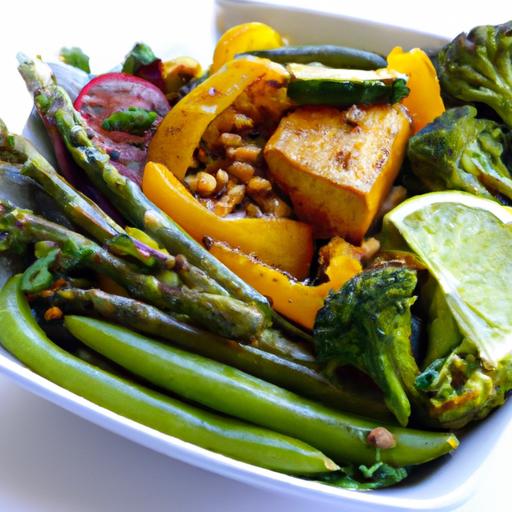

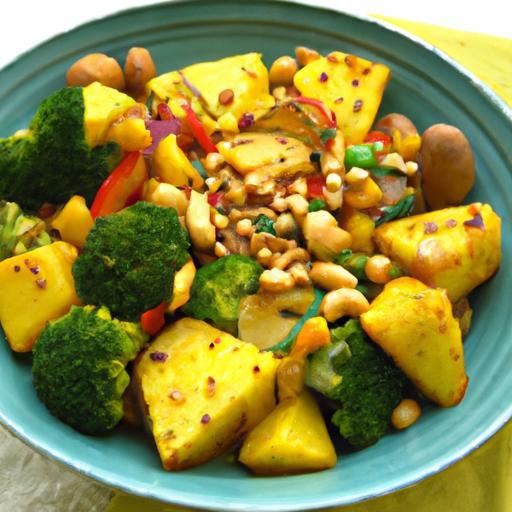
In a world where mindful eating meets vibrant flavors, the vegan Buddha bowl has emerged as a shining symbol of nourishment and creativity.More than just a meal, thes colorful bowls are a harmonious blend of textures, nutrients, and colors-designed to fuel your body and delight your senses. Whether you’re a seasoned plant-based eater or simply curious about embracing more wholesome foods, “Nourish Your Body: The Ultimate Guide to Vegan Buddha Bowls” will take you on a flavorful journey.Discover how to balance grains, greens, proteins, and vibrant veggies into a perfect, power-packed plate that honors both your health and your palate. Welcome to the art of eating well, one bowl at a time.
Choosing Vibrant Ingredients to Maximize Flavor and Nutrition
Nourish your body with a symphony of fresh, colorful produce that brings every vegan Buddha bowl to life. By combining a vibrant palette of vegetables, grains, and legumes, you infuse each bite with bold flavors, contrasting textures, and an abundance of nutrients. Think jewel-toned red peppers, deep green kale, bright yellow corn, and creamy avocado-all creating a feast for your senses and fueling your body with essential vitamins and antioxidants.
Start with seasonal, organic veggies to harness peak freshness and flavor. Incorporate a variety of textures: crunchy raw veggies like shredded carrots, tender steamed broccoli, chewy grains such as quinoa or brown rice, and creamy elements like hummus or mashed chickpeas. this layering not only maximizes nutrition but also creates a satisfying mouthfeel that keeps your meal exciting and balanced.
Mastering the Art of Balanced Macronutrients in Your Buddha Bowl
To truly nourish your body, aim for a harmonious balance of macronutrients in each bowl. A perfect combination of plant-based proteins,complex carbohydrates,and healthy fats will keep you energized and satiated. Incorporate legumes like lentils or black beans for a protein punch, paired with whole grains such as farro or millet for sustained energy. Don’t forget your fats-rich sources like avocado, tahini, or toasted nuts not only provide creaminess but also aid in nutrient absorption.
Measure your portions to roughly fill your bowl with 1/3 grains, 1/3 protein, and 1/3 vegetables and greens. This simple guideline ensures you get all three macronutrients without overloading one side, supporting balanced blood sugar and prolonged fullness.
Creative Sauce and Dressing Recipes to Elevate Every Bite
Elevate your Buddha bowl with sauces and dressings bursting with flavor. These finishing touches transform humble ingredients into luscious bites and introduce a delightful contrast of sweet, tangy, savory, or spicy notes.
- Roasted Red Pepper tahini sauce: Blend ½ cup tahini, 1 roasted red bell pepper, 2 tbsp lemon juice, 1 clove garlic, and a pinch of smoked paprika until smooth. Drizzle generously for a creamy, smoky finish.
- miso Ginger dressing: Whisk 2 tbsp white miso paste, 1 tbsp grated fresh ginger, 2 tbsp rice vinegar, 1 tbsp maple syrup, and 3 tbsp sesame oil for a tangy umami boost.
- Spicy Cilantro Lime Dressing: Combine ½ cup fresh cilantro, juice of 1 lime, 1 small jalapeño (seeded for less heat), 2 tbsp olive oil, and salt to taste. Perfect for adding a zesty kick.
Feel free to customize these dressings by adjusting acidity, sweetness, or spice to match your mood. Storing dressings in airtight jars keeps them fresh and ready to enliven your bowls throughout the week.
Tips for meal Prep and Storage to Keep Your Bowls Fresh and Convenient
Meal prepping vegan Buddha bowls effortlessly integrates wholesome eating into your busy schedule. Begin by roasting or steaming veggies in batches and cooking grains and legumes in advance. Store each component separately in airtight containers to prevent sogginess and preserve vibrant textures and flavors.


When assembling for later, layer your ingredients starting with grains, then proteins, and top with greens and crunchy elements. Keep dressings in small containers and add just before serving to ensure crisp freshness. Proper refrigeration will maintain the integrity of your bowls for up to 4 days.
Investing in glass containers with dividing compartments or using separate containers for sauces makes grabbing a nutritious meal on the go a breeze. With simple prep hacks, nourishing your body daily becomes both attainable and enjoyable.
Vegan buddha Bowl Recipe: Prep and Cook Time, Yield & Difficulty Level
- Prep Time: 20 minutes
- Cook Time: 25 minutes
- Total Time: 45 minutes
- Yield: 4 generous servings
- Difficulty Level: Easy
Ingredients
- 1 cup quinoa, rinsed thoroughly
- 2 cups water or vegetable broth for cooking quinoa
- 1 can (15 oz) black beans, drained and rinsed
- 1 medium sweet potato, peeled and diced into ½ inch cubes
- 1 red bell pepper, thinly sliced
- 2 cups baby kale, stems removed
- 1 large carrot, shredded
- 1 small avocado, diced
- ¼ cup toasted pumpkin seeds
- 2 tbsp olive oil
- Salt and freshly cracked black pepper, to taste
- For the Roasted Red Pepper Tahini Sauce:
- ½ cup tahini
- 1 roasted red bell pepper
- 2 tbsp fresh lemon juice
- 1 garlic clove
- ½ tsp smoked paprika
- Water, as needed to thin
Instructions
- Cook the quinoa: In a medium saucepan, bring 2 cups water or vegetable broth to a boil.Add rinsed quinoa, reduce heat to low, cover, and simmer for 15 minutes until liquid is absorbed. Remove from heat and fluff with a fork.
- prepare the sweet potato and bell pepper: Toss diced sweet potato and sliced red bell pepper with 1 tbsp olive oil, salt, and pepper.Spread evenly on a baking sheet and roast at 425°F (220°C) for 20 minutes, turning halfway, until tender and lightly caramelized.
- Heat black beans: In a small pan,warm black beans over medium heat for 3-4 minutes,seasoning with salt and pepper.Stir gently to warm through.
- Make the Roasted Red Pepper Tahini Sauce: Blend tahini, roasted red pepper, lemon juice, garlic, and smoked paprika in a food processor.Add water 1 tbsp at a time until a smooth, drizzle-able consistency is achieved. Adjust seasoning as needed.
- Assemble the bowls: Divide quinoa evenly among four bowls. Arrange roasted sweet potatoes, bell pepper, warmed black beans, baby kale, shredded carrot, and diced avocado beautifully on top.
- Finish with sauce and garnish: Drizzle each bowl with the tahini sauce and sprinkle toasted pumpkin seeds over the top for a satisfying crunch.
Chef’s Notes & Tips for Success
- Substitute quinoa with brown rice, farro, or millet for variety and personal preference.
- For extra protein, add a scoop of cooked lentils or edamame.
- to make it gluten-free, be sure all ingredients and sauces are certified gluten-free.
- Roast sweet potatoes and peppers ahead of time for super quick bowls during the week.
- Keep the avocado fresh by dabbing with lime juice and wrapping it tightly with plastic wrap if prepping in advance.
- Feel free to swap pumpkin seeds with chopped walnuts or sunflower seeds depending on your taste and availability.
Serving Suggestions
Serve your vegan Buddha bowl warm or at room temperature for a nourishing lunch or dinner.Garnish with fresh microgreens, a sprinkle of nutritional yeast for a subtle cheesy flavor, or a dusting of toasted sesame seeds for added aroma.
Pair with a crisp cucumber salad for refreshing contrast or enjoy alongside warm, crusty bread for an indulgent treat. for a fun twist, serve in edible bowls made from halved roasted bell peppers or avocado shells, elevating the presentation and delighting guests.
| Nutrition | Per Serving |
|---|---|
| Calories | 420 kcal |
| Protein | 15 g |
| Carbohydrates | 55 g |
| Fat | 14 g |

For more nourishing vegan recipes that embrace balanced macronutrients and vibrant flavors, check out our vegan protein-packed meals. To explore the science of plant-based nutrition in depth, visit Harvard T.H. Chan School of Public Health.
Q&A
Q&A: Nourish Your Body – The Ultimate Guide to Vegan Buddha Bowls
Q1: What exactly is a Buddha bowl, and why has it become so popular?
A Buddha bowl is a vibrant, wholesome dish typically packed with a variety of colorful vegetables, grains, proteins, and healthy fats-all served in one nourishing bowl. Its popularity stems from its versatility, ease of preparation, and the way it empowers you to eat a balanced, nutrient-dense meal that’s as stunning as it is delicious.
Q2: What are the key components that make up a balanced vegan Buddha bowl?
A well-rounded vegan Buddha bowl usually includes four essential elements: a base (like quinoa, brown rice, or millet), an abundance of fresh or roasted veggies, a protein source such as chickpeas, tofu, tempeh, or lentils, and a flavorful dressing or sauce. Don’t forget a handful of seeds or nuts for crunch and healthy fats-think tahini, avocado, or a drizzle of olive oil.
Q3: How do I ensure my Buddha bowl is nutritionally complete?
Aim for a rainbow on your plate! Include a variety of vegetables to cover a spectrum of vitamins and minerals. Add whole grains for complex carbs and fiber, plant-based proteins to fuel your body, and healthy fats for brain support and satiety. Balancing these elements creates a bowl that satisfies your taste buds and your body’s needs.
Q4: Can Buddha bowls be made ahead of time for busy days?
Absolutely! Preparing individual components in advance-like roasting vegetables or cooking grains-makes assembling a Buddha bowl quick and effortless. Store ingredients separately in airtight containers, then mix and match throughout the week for fresh meals without the fuss.Q5: What are some creative toppings or dressings to elevate my vegan buddha bowl?
Think beyond standard vinaigrettes! Try a creamy tahini-lemon dressing, a spicy peanut sauce, or a zesty avocado crema. Sprinkle with toasted sesame seeds, crushed almonds, fresh herbs like cilantro or parsley, and a squeeze of citrus to brighten every bite.
Q6: How can I adapt Buddha bowls to seasonal produce?
Seasonality keeps your bowls fresh and exciting. In spring, load up on asparagus, peas, and radishes. Summer calls for sweet corn,tomatoes,and cucumbers. fall invites roasted squash, Brussels sprouts, and hearty kale, while winter offers comforting roots like sweet potatoes and beets. Pair these with grains and proteins for a bowl that reflects the rhythm of the seasons.
Q7: Are Buddha bowls suitable for beginners new to vegan cooking?
Definitely! Buddha bowls are incredibly beginner-friendly because they require minimal cooking skills and offer endless customization. Start simple with steamed veggies and canned beans, then gradually explore new grains, dressings, and toppings as you grow more confident.
Q8: What’s the best way to store leftover Buddha bowls?
Store components separately when possible-grains, proteins, veggies, and dressings keep better on their own. Use airtight containers to maintain freshness, and most ingredients last 3-5 days in the fridge.Assemble your bowl just before eating to keep textures vibrant and flavors bright.
Q9: Can Buddha bowls help with specific dietary goals like weight management or energy boost?
Yes! Their balanced nature-fiber-rich veggies, plant-based proteins, and healthy fats-provides sustained energy and keeps hunger in check. By adjusting portion sizes and ingredient choices, Buddha bowls can support weight management, muscle recovery, or any othre wellness goal.
Q10: what’s the secret to making my Buddha bowl not just healthy but irresistibly delicious?
Layer flavors and textures: combine crunchy, creamy, sweet, tangy, and spicy elements. Think crunchy radishes with creamy hummus and a drizzle of spicy chili sauce. Use fresh herbs and a splash of acid like lemon or lime juice to brighten the dish. When every bite tells a story,healthy eating becomes a joy.
Insights and Conclusions
As you embark on your journey to nourish your body with vibrant, wholesome ingredients, remember that the magic of a vegan Buddha bowl lies not just in its colorful layers, but in the balance and intention behind each bite. These bowls are more than a meal-they’re a festivity of nature’s bounty, a canvas for creativity, and a pathway to sustained vitality. Whether you’re new to plant-based eating or a seasoned vegan, let this guide inspire you to mix, match, and savor every nourishing spoonful. Here’s to health, happiness, and a bowl full of goodness!