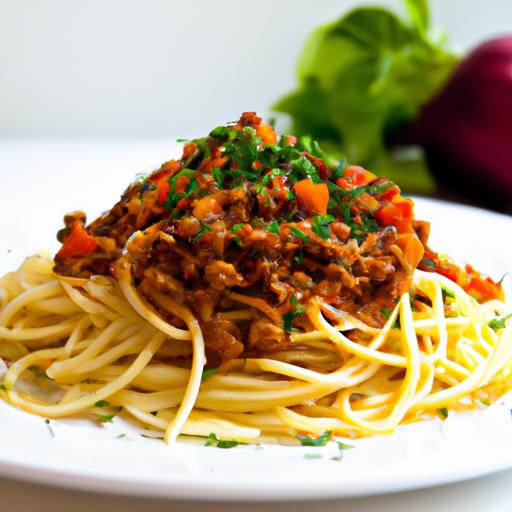

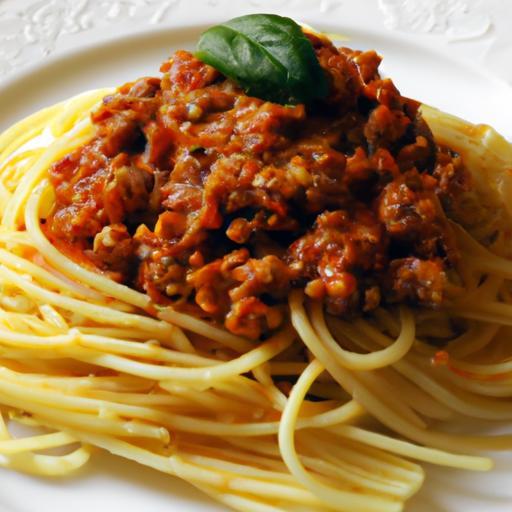
There’s something timeless about a steaming plate of classic spaghetti Bolognese-a dish that carries with it the warmth of Italian tradition and the comfort of home-cooked goodness. More then just pasta and sauce,this recipe is a flavorful journey through layers of savory meat,ripe tomatoes,aromatic herbs,and a touch of patience that transforms simple ingredients into a rich,hearty masterpiece. Whether you’re a seasoned chef or a curious food lover, exploring the roots and nuances of classic Bolognese opens up a world where culinary history and mouthwatering taste meet on every forkful. Join us as we unravel the secrets behind this beloved Italian staple and guide you step-by-step too create your own appetizing slice of Italy at home.
The Origins and Evolution of Spaghetti Bolognese
Spaghetti Bolognese is a beloved classic that has journeyed from the humble kitchens of Bologna, Italy, to dinner tables around the world.This Classic Spaghetti Bolognese Recipe celebrates rich traditions while embracing a modern approach to flavor and technique.Originally known as “Ragù alla Bolognese,” this sauce roots itself in slow-cooked meat mingled with fresh vegetables, fragrant herbs, and a splash of creamy tomato essence. Over time, it has evolved beyond its Italian origin to become a hearty, comforting dish cherished internationally.
Unlike the swift weeknight sauces, the customary Bolognese is a labor of love, simmered slowly to develop its deep, savory layers. Today’s version respects that heritage while adapting for accessibility and greater depth without using pork or wine-ensuring a perfect balance of authenticity and approachability.
Choosing the Perfect Ingredients for Authentic Flavor
Every masterpiece starts with ingredients that speak of freshness and quality. For this Classic Spaghetti Bolognese Recipe,prioritize robust components like grass-fed ground beef for a clean,rich flavor,organically grown vegetables like carrots,celery,and onions for sweetness and texture,and high-quality canned tomatoes for that vibrant,tangy base.Using fresh herbs like thyme and bay leaves and a touch of whole milk or cream melts the acidity and gives the sauce its signature silkiness.
Choosing pasta also matters. Traditional tagliatelle or pappardelle are excellent choices, but spaghetti remains a timeless favorite for its global appeal and perfect sauce clinging ability.
Prep and Cook Time
- Planning Time: 20 minutes
- Cooking Time: 2 hours (slow simmering for depth)
Yield
Serves 6 hearty portions
Difficulty Level
Medium – requires steady simmering and layering of flavors, perfect for home cooks eager to deepen their culinary skills.
Ingredients
- 2 tbsp olive oil
- 1 large onion, finely chopped
- 2 medium carrots, finely diced
- 2 celery stalks, finely diced
- 3 cloves garlic, minced
- 1 lb (450g) lean ground beef (preferably grass-fed)
- 1 cup whole milk
- 1 ½ cups canned crushed tomatoes (high-quality San Marzano if possible)
- 1 tbsp tomato paste
- 1 cup beef broth
- 1 tsp dried oregano
- 2 fresh bay leaves
- Salt and freshly ground black pepper, to taste
- ½ tsp freshly grated nutmeg
- 400g spaghetti (or preferred pasta)
- Freshly grated Parmigiano-Reggiano for serving
- Fresh basil or flat-leaf parsley for garnish
Step-by-Step Guide to Crafting a Rich and Hearty Sauce
- Heat olive oil in a large heavy-bottomed saucepan over medium heat. Add the onion,carrots,and celery,sauté gently until soft and golden,about 8 minutes,stirring occasionally to create a sweet base.
- Add garlic and cook for 1 more minute, ensuring it doesn’t burn but releases its fragrant aroma.
- Increase heat to medium-high and add the ground beef. Break it apart with a wooden spoon and cook until browned evenly, about 7 minutes, stirring to prevent clumping.
- Pour in the milk gradually, stirring frequently. Let it simmer until the milk has mostly evaporated; this tenderizes the meat and rounds out acidity.
- Stir in tomato paste and cook for 2 minutes to deepen flavor. Then add crushed tomatoes,beef broth,oregano,bay leaves,nutmeg,and season with salt and pepper.
- Bring the mixture to a gentle simmer, then reduce heat to low.Cover partially and let it cook slowly for at least 1.5 to 2 hours, stirring occasionally. The sauce should thicken and deepen in flavor.
- Season once more before serving, removing bay leaves.
- Simultaneously occurring, cook spaghetti in plenty of salted boiling water until al dente.Drain and toss instantly with a little olive oil to prevent sticking.
- Serve the sauce ladled generously over the spaghetti, garnished with freshly grated parmigiano-Reggiano and chopped herbs to add a fresh pop of color and brightness.
Tips and Variations to Elevate Your Classic Spaghetti Bolognese
- Go plant-forward: Substitute half the beef with finely chopped mushrooms or lentils to introduce earthy notes and increase fiber content.
- Make it creamy: Stir in a splash of whole milk or cream just before serving for unparalleled silkiness.
- Slow cooker option: Brown the meat and veggies first, then transfer everything to a slow cooker for 4-6 hours on low for set-it-and-forget-it convenience.
- Herbal twists: Add fresh rosemary or thyme sprigs during the simmer for aromatic complexity.
- Use day-old sauce: This sauce tastes even better the next day as flavors meld beautifully-perfect for make-ahead meal prep.
- Presentation note: For a rustic touch, serve with a drizzle of good extra virgin olive oil and a sprinkle of freshly cracked pepper.
Serving Suggestions
if you want your classic Spaghetti Bolognese Recipe to truly shine, serve it alongside a crisp green salad tossed in lemon vinaigrette or garlic-roasted vegetables. A crusty artisan bread pairs beautifully to soak up every last bit of the luscious sauce. For garnish,freshly torn basil leaves or chopped flat-leaf parsley lend a vibrant contrast and brightness.Don’t forget that final grating of Parmigiano-Reggiano to add that signature savory bite.


This dish is at its best enjoyed with good company and a relaxed atmosphere, inviting everyone to savor the layered flavors and hearty comfort that make Spaghetti Bolognese a timeless favorite.
| Nutrient | Per Serving |
|---|---|
| Calories | 490 kcal |
| Protein | 32 g |
| Carbohydrates | 45 g |
| Fat | 16 g |

For an in-depth look into pasta making and pairing tips,consider exploring our Homemade Pasta Guide. For authoritative details on Italian cuisine history, visit Accademia Italiana della Cucina.
Q&A
Q&A: Classic Spaghetti Bolognese Recipe – A Flavorful Journey
Q1: What makes a Classic Spaghetti Bolognese truly authentic?
A classic Spaghetti Bolognese is all about layering flavors thoughtfully. At its heart lies a slow-simmered ragù, rich with minced beef, aromatic vegetables like carrots, celery, and onions, and the subtle sweetness of tomato concentrate. The magic happens when time and patience transform these simple ingredients into a deeply savory sauce that clings beautifully to tender spaghetti, delivering a comforting and hearty experience.
Q2: Which vegetables are essential in creating that signature depth of flavor?
The traditional soffritto-finely chopped onion, carrot, and celery-is essential. This trio forms a fragrant, gently sweet base that enriches every bite. These vegetables not only add texture but also build complexity, balancing the meatiness of the beef and the acidity of the tomatoes with a natural warmth.
Q3: How critically important is the slow cooking process in this recipe?
Slow cooking is the soul of a great Bolognese.Letting the sauce simmer gently for at least an hour-or longer if possible-allows the flavors to meld and intensify. This slow simmer softens the vegetables, tenderizes the meat, and thickens the sauce, developing a luxurious mouthfeel that’s far more satisfying than a quick stir-fry.
Q4: Can I use option meats in place of beef for a different twist?
Absolutely! While minced beef is traditional, you can experiment with lean ground turkey or chicken to create a lighter version while maintaining hearty texture. These alternatives absorb the rich flavors of the sauce beautifully, offering a fresh take that still honors the spirit of bolognese.
Q5: What type of tomatoes work best for that perfect sauce consistency?
Using high-quality canned San Marzano tomatoes is a classic choice,prized for their natural sweetness and low acidity. They break down smoothly during cooking, creating a silky yet robust sauce. Alternatively, fresh ripe tomatoes can be used in season, but they’ll need to be peeled and chopped finely to achieve the same luscious consistency.
Q6: What spices and herbs enhance the sauce without overpowering it?
Simplicity is key. A bay leaf and a bit of dried oregano or thyme complement the meat and vegetables without masking their flavors. Fresh basil added at the end gives a burst of herbal brightness. Avoid heavy-handed seasoning; the goal is to enhance, not dominate.
Q7: Which pasta pairs best with Bolognese, and why?
While tagliatelle is traditional because its broad ribbons catch the chunky sauce beautifully, spaghetti remains a beloved and accessible choice. its slender shape provides a lovely contrast to the rich ragù, allowing the sauce to coat each strand for a satisfying bite.
Q8: How can I elevate the final dish just before serving?
A sprinkle of freshly grated Parmesan or Pecorino romano cheese adds a delightful salty nutty finish that balances the sauce’s richness. A drizzle of high-quality extra virgin olive oil or a few fresh basil leaves can also brighten the plate, turning a humble meal into a memorable feast.
Q9: are there any tips to prevent the sauce from becoming too watery or too thick?
Maintaining the right texture is all about balance. Start with a modest amount of broth or water to keep the sauce moist, and let it reduce gradually without rushing. Stir occasionally to prevent sticking. If it thickens too much, a splash of broth or reserved pasta water can loosen it just right-smooth and luscious, not heavy or dry.
Q10: How does this recipe reflect the cultural heritage of Italian cooking?
Classic Spaghetti Bolognese is a testament to Italy’s love of simple, natural ingredients brought to life with patience and care. It embodies the ethos of cucina povera-creating nourishing, flavorful dishes from humble staples. Each simmering pot tells a story of tradition, family, and the timeless joy of sharing a lovingly crafted meal.
In Conclusion
As we wrap up our flavorful journey through the timeless art of Classic spaghetti bolognese, it’s clear that this humble dish is much more than just pasta and sauce. It’s a festivity of tradition, patience, and the simple joy of bringing rich, comforting flavors to the table. By mastering this recipe, you’re not only recreating a beloved Italian classic-you’re connecting with generations of home cooks who understand that the best meals are crafted with heart and time. So next time you twirl those tender strands of spaghetti, savor each bite knowing you’ve experienced a dish steeped in history and bursting with authentic taste. Buon appetito!