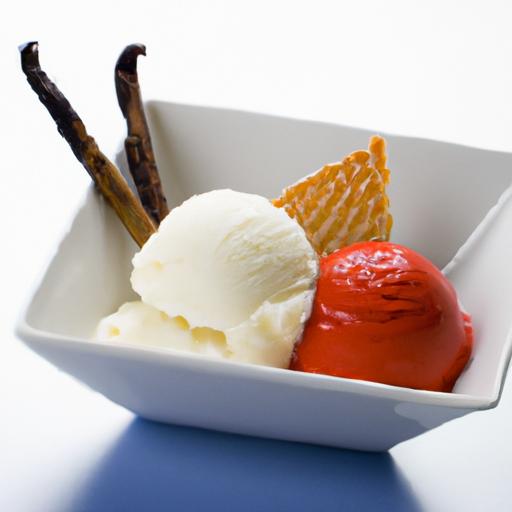


Few desserts evoke the effortless elegance and rich tradition of Italian culinary artistry quite like gelato. Wiht its luxuriously creamy texture and intense flavors, gelato is more than just a frozen treat-it’s an experience that beckons you to savor every spoonful. Yet, mastering the art of creamy gelato at home can seem like a daunting challenge, reserved only for expert gelato makers and those with specialized equipment. Fear not: this step-by-step recipe will guide you through the magic behind crafting your own luscious gelato, demystifying the process and empowering you to create silky, melt-in-your-mouth perfection.Whether you’re a seasoned dessert enthusiast or a curious beginner, prepare to embark on a tasty journey to gelato mastery that will transform your kitchen into an Italian gelateria.
Master the Art of Creamy gelato: A Step-by-Step Recipe invites you on an immersive culinary journey where science and passion intertwine to create the perfect scoop. The secret to irresistible gelato lies not only in its exquisite flavor but in the meticulous balance of texture, ingredients, and technique. Understanding how each component interacts unlocks the door to creamy indulgence that melts beautifully on your tongue, echoing the vibrant traditions of italy’s artisanal craft.
Prep and Cook Time
- Planning: 30 minutes
- Cooking: 15 minutes
- Chilling: At least 4 hours (preferably overnight)
- Churning: 25-30 minutes
yield
Approximately 1 quart (4 generous servings)
Difficulty Level
Medium – Requires careful temperature control and patience but accessible with practice
Selecting the Finest Ingredients for Authentic gelato
Creating gelato with supreme creaminess begins with impeccable ingredients. Opt for whole milk rather of heavy cream; this low-fat base fosters gelato’s signature dense and smooth mouthfeel. Freshness is paramount: use free-range egg yolks for richness and natural emulsification, and select pure vanilla beans or high-quality natural flavorings to elevate authenticity.
Incorporate sugars thoughtfully. Traditional gelato typically blends sucrose with smaller amounts of glucose or dextrose to moderate freezing points and maintain softness. Balancing sweetness prevents ice crystals and enhances creamy texture without overwhelming the palate.
Crafting the Perfect Gelato Base: Tips and Techniques
Your gelato base is the backbone of creamy texture and captivating flavor.Start by gently heating milk and sugar to just under boiling, ensuring sugars fully dissolve for smooth consistency.Temper the egg yolks by gradually whisking in warm milk mixture-this prevents curdling and builds a luscious custard foundation.
Cook over low heat until the custard reaches 170°F (77°C), thickening slightly but not scrambling the eggs. Strain the mixture through a fine sieve to guarantee silkiness. Rapidly cooling the base in an ice bath preserves freshness and stops cooking, locking in that creamy potential.


Mastering the Churning Process for Silky Smooth Results
once chilled, transfer your base to a gelato maker. The slow churning action, combined with careful aeration, reduces large ice crystal formation, crucial for gelato’s velvety softness. Unlike traditional ice cream, gelato incorporates less air (around 20-30%), resulting in its dense texture. Monitor the machine closely-over-churning can lead to graininess, while under-churning produces an icy mouthfeel.
Remove the gelato when it holds a soft-serve consistency-firm enough to hold shape but supple and pliable. For optimal texture, freeze an additional hour before serving, allowing flavors to intensify and firmness to improve without losing creaminess.
Ingredients
- 2 cups (480ml) whole milk
- 1 cup (240ml) heavy cream (optional for ultra-rich gelato)
- 5 large egg yolks
- ¾ cup (150g) granulated sugar
- ½ cup (120ml) glucose syrup or corn syrup (for texture)
- 1 vanilla bean, split and scraped (or 2 tsp pure vanilla extract)
- Pinch of fine sea salt
Instructions
- Prepare the infusion: In a medium saucepan, combine whole milk, heavy cream (if using), vanilla bean seeds, and pod. Heat over medium until just below boiling, then remove from heat. Cover and steep for 30 minutes to infuse rich vanilla flavor.
- Whisk the yolks and sugars: In a large bowl, vigorously whisk egg yolks, granulated sugar, and glucose syrup until pale and slightly thickened-this incorporates air and helps emulsify the base.
- Temper the yolks: Slowly pour about half of the warm milk infusion into the yolk mixture, whisking constantly to avoid scrambling the eggs.
- Cook the custard: Return the mixture to the saucepan. Cook over low heat,stirring continuously with a wooden spoon or heatproof spatula. Monitor temperature until it reaches 170°F (77°C),or when the custard thickens enough to coat the back of a spoon.
- Strain and chill: Immediately strain through a fine mesh sieve into a clean bowl to remove any cooked egg bits and vanilla pod. Stir in the pinch of sea salt. Place the bowl in an ice bath, stirring occasionally until entirely cool.
- Refrigerate: Cover tightly and chill the base for at least 4 hours or overnight-this step deepens flavor and enhances texture.
- Churn the gelato: Pour chilled base into your gelato maker. Churn at a slow to medium pace for 25-30 minutes, until gelato thickens to a soft-serve consistency.
- Freeze and serve: Transfer to an airtight container and freeze for 1-2 hours to set. Before serving, let sit at room temperature for 5 minutes to soften slightly for the best creaminess.
Tips for Success
- Ingredient Quality: Use the freshest dairy and eggs for an unmistakably silky gelato. Avoid substitutes that alter fat and protein ratios.
- Temperature Control: Precise heating prevents scrambling. use a digital thermometer for best results.
- Infusion Time: Don’t rush the vanilla infusion; patience yields deeper, rounded flavor.
- Avoid Over-churning: Stop when gelato holds soft peaks; over-churning introduces unwanted air and crystallization.
- Make-Ahead: Chilling the base overnight improves texture and flavor growth.
- Substitutions: For dairy-free options, experiment with coconut milk blends but expect a different texture and flavor profile.
Serving suggestions
Present your gelato in chilled bowls or classic Italian cups, garnished with fresh berries, chopped pistachios, or a drizzle of intense balsamic glaze for an elegant contrast. For an inviting touch, serve alongside crisp almond biscotti or warm fruit compote. A sprig of fresh mint adds a vibrant pop both visually and aromatically. Delight guests by pairing your creamy gelato with a bold espresso shot to echo the authentic Italian experience.

| Nutrient | Per Serving (1/4 cup) |
|---|---|
| Calories | 180 kcal |
| Protein | 4 g |
| Carbohydrates | 22 g |
| Fat | 8 g |
For additional tips on classic Italian desserts, check out our Authentic Tiramisu recipe. To deepen your understanding of dairy science and emulsification, the ScienceDaily article on dairy protein interactions is a fantastic resource.
Q&A
Q&A: Master the Art of Creamy Gelato – A Step-by-Step Recipe
Q1: What makes gelato different from traditional ice cream?
A: Gelato stands apart due to its denser, silkier texture and more intense flavors. Unlike traditional ice cream, gelato contains less air-called overrun-and is churned at a slower speed. This results in a creamier mouthfeel and a purer taste that really lets the ingredients shine.
Q2: Which key ingredients are essential for making authentic creamy gelato?
A: To craft luscious gelato, you’ll need milk (preferably whole milk), cream, sugar, and egg yolks to create a rich custard base. Fresh, high-quality flavorings-such as vanilla beans, fresh fruits, or nuts-bring vibrancy to the mix. Each ingredient plays a vital role in achieving that perfect balance of creaminess and flavor.
Q3: Can I make gelato without eggs?
A: Absolutely! While traditional gelato often includes egg yolks for a custard base, you can make a vibrant, creamy gelato using just milk, cream, and a stabilizer like cornstarch or arrowroot. This method produces a lighter gelato with a clean flavor, ideal for highlighting delicate ingredients like citrus or herbs.
Q4: What is the secret to achieving gelato’s signature creamy texture at home?
A: Patience and temperature control are key. Slowly heating the custard mixture to just the right point ensures smoothness without curdling.After chilling, churning the gelato at a low speed incorporates minimal air. freezing at the correct temperature prevents ice crystals from forming, delivering that irresistibly creamy texture.
Q5: How can I infuse bold flavors without overpowering the gelato’s silky base?
A: Use fresh, natural ingredients and infuse them gently-steep vanilla pods in warm milk or fold in toasted nuts after churning. Less is often more; subtle flavor layers let the creamy base take center stage while adding delightful complexity.Q6: Is it possible to make gelato without an ice cream maker?
A: Yes! You can freeze gelato in a shallow container, stirring vigorously every 30 minutes to break up ice crystals until smooth and creamy. While this method requires elbow grease, the result can be surprisingly delicious and satisfying.
Q7: How should homemade gelato be stored for best results?
A: Store gelato in an airtight container to prevent freezer burn and keep it smooth. For optimal texture, let it soften in the refrigerator for 5-10 minutes before scooping. This brief thaw enhances creaminess and flavors, making each spoonful heavenly.
Q8: Can gelato accommodate dairy-free or vegan diets without losing creaminess?
A: Definitely! Substitute traditional dairy with creamy plant-based milks like coconut, almond, or oat. Adding natural thickeners such as silken tofu or avocado can boost richness. With a bit of experimentation, you can craft a luscious, dairy-free gelato that satisfies every craving.
Q9: What’s the best way to serve gelato to highlight its texture and aroma?
A: Serve gelato slightly softened so it melts delicately on the tongue, releasing its full bouquet of flavors. Use simple dishes to avoid overpowering the visual appeal, and consider pairing with fresh fruit, crunchy nuts, or a sprinkle of aromatic spices to create a symphony of sensations.
Q10: Where can I find inspiration for unique gelato flavors to try?
A: Look to seasonal fruits, herbs from your garden, or even exotic spices to craft your own signature flavors. Traditional Italian favorites like pistachio, stracciatella, and hazelnut offer timeless inspiration, while adventurous combinations awaken your inner artisan. The world of gelato is your creative playground!
In Conclusion
And there you have it-a creamy, dreamy gelato crafted with your own hands, ready to delight your senses and elevate your dessert repertoire. Mastering the art of gelato is more than just following a recipe; it’s about embracing patience, precision, and a passion for flavor that transforms simple ingredients into a silky masterpiece. So next time you crave that authentic Italian indulgence, remember: with these steps, you hold the secret to gelato perfection right in your kitchen. Buon appetito-and may every scoop be a celebration of craftsmanship and taste!