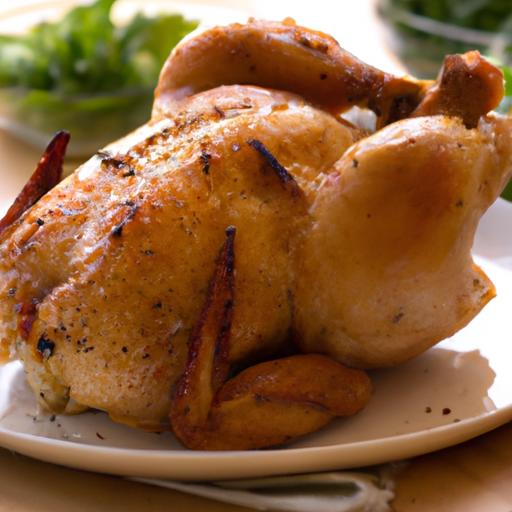

There’s something undeniably comforting about a perfectly roasted chicken: golden,crispy skin shimmering with just the right amount of seasoning,tender,juicy meat that pulls apart effortlessly,and an aroma that fills the kitchen with warmth and anticipation. But achieving that flawless roast-one that’s equally notable on a weeknight dinner table as it is on a special occasion-can often feel elusive. Fear not, culinary adventurers! in this article, we’ll unravel the secrets behind mastering the art of the perfect roast chicken every time, transforming this timeless classic from a simple meal into a crowning achievement of your cooking repertoire. Whether you’re a novice or a seasoned home cook, prepare to elevate your technique, understand essential flavour-building steps, and unlock tips that guarantee a bird that’s truly worthy of applause.
Mastering the Art of the perfect Roast Chicken Every Time begins with understanding the foundation: selecting the right bird.Whether it’s a rustic Sunday dinner or an elegant weeknight centerpiece, the quality and characteristics of your chicken profoundly influence the final flavor and texture.
Choosing the Ideal Chicken for Optimal Flavor and Texture
For the most flavorful and tender roast chicken, start with a fresh, high-quality whole chicken weighing between 3 to 4 pounds. Opt for organic or free-range poultry if possible, as thes tend to have a superior taste profile and firmer texture due to natural diets and movement. Avoid frozen birds – the thawed moisture can dilute flavor and affect browning.
Look for a plump chicken with firm,pale skin and no discoloration. The bird’s fat content, even distribution of muscle, and skin thickness impact juiciness and how well the seasoning adheres during roasting.
Seasoning Secrets That Elevate your Roast to Culinary Excellence
Roast chicken is a masterpiece of simplicity, but subtle seasoning tricks unlock a world of flavor. Start by patting your chicken dry – this helps the skin crisp beautifully. rub the skin generously with olive oil or softened butter to foster golden browning. Season liberally inside and out with coarse sea salt and freshly ground black pepper for depth.
Add aromatics like fresh rosemary,thyme,garlic cloves,and lemon halves inside the cavity to imbue fragrant layers into the meat without overpowering. For an extra dimension, gently lift the skin and nestle in slivers of herb-infused butter or garlic. This secret step bastes the meat from the inside, keeping it sumptuous and flavorful.
Mastering Temperature and Timing for Juicy, tender Results
The key to perfect roast chicken lies in balancing heat and patience.Preheat your oven to 425°F (220°C) to start. This high temperature locks in moisture by quickly crisping skin and caramelizing surfaces.
After 15 to 20 minutes, lower the oven temperature to 375°F (190°C) and roast until the internal temperature reaches 165°F (74°C) in the thickest part of the thigh. use an instant-read thermometer for precise results-this prevents overcooking while ensuring safety.


For even cooking, position the bird breast-side up on a roasting rack in a shallow pan.Baste occasionally with pan juices to intensify flavor and moistness. Letting the heat gently finish the cooking rather than rushing with high heat at the end makes all the difference.
Resting and Carving Like a Pro to Impress Every Guest
Once out of the oven, tent the chicken loosely with foil and allow it to rest for at least 15 minutes. This crucial step lets juices redistribute evenly through the meat, avoiding a dry, stringy texture when carved.
To carve expertly, start by removing the legs and thighs, then slice the breast meat against the grain in smooth, confident strokes. presenting beautifully sliced pieces alongside crispy skin will impress every guest and earn your roast chicken the praise it deserves.
Prep and Cook Time
- Preparation: 15 minutes
- Roasting: 1 hour 20 minutes
- Resting: 15 minutes
- Total: Approximately 1 hour 50 minutes
Yield
Serves 4-6 hungry guests
Difficulty Level
Medium – approachable for cooks cozy with oven roasting and thermometer use
Ingredients
- 1 whole chicken (3-4 lbs), fresh and preferably free-range
- 2 tbsp extra-virgin olive oil or softened unsalted butter
- 1 tbsp coarse sea salt
- 1 tsp freshly ground black pepper
- 4 sprigs fresh thyme
- 3 sprigs fresh rosemary
- 1 lemon, halved
- 4 garlic cloves, smashed
Instructions
- Preheat the oven to 425°F (220°C). Remove the chicken from the fridge 30 minutes before roasting to reach room temperature (this promotes even cooking).
- Pat dry the chicken with paper towels, inside and out. Rub olive oil or butter all over the skin and under the skin where possible for crispiness and moisture.
- Season the chicken generously with salt and pepper, ensuring to season inside the cavity for balanced flavor.
- Stuff the cavity with lemon halves, smashed garlic cloves, rosemary, and thyme sprigs.
- Place the chicken breast-side up on a roasting rack set inside a shallow pan.this allows heat circulation and catches drippings for basting or gravy.
- Roast at 425°F (220°C) for 15-20 minutes until skin starts to brown and crisp.
- Lower the oven temperature to 375°F (190°C) and continue roasting for 50-60 minutes. baste occasionally with the pan juices for extra moisture and flavor.
- Check the internal temperature in the thickest part of the thigh. It should read 165°F (74°C). If not reached, roast in 5-minute increments and retest.
- Remove from oven,tent loosely with foil,and rest for 15 minutes. This step allows juices to redistribute for optimal tenderness.
- Carve by removing the legs first,then slicing breast meat against the grain into even slices. Serve promptly.
Tips for Success
- Brizing the chicken in salted water for 1-2 hours before roasting intensifies juiciness and flavor.
- For an ultra-crisp skin, pat the bird dry again just before roasting and lightly dust with a small pinch of baking powder mixed with salt.
- Use an instant-read thermometer to avoid guesswork-it’s your best tool for perfectly cooked poultry.
- Can be prepped ahead: season and stuff the bird up to 6 hours before cooking, keeping covered in the fridge.
- If fresh herbs are unavailable, a pinch of dried thyme and rosemary mixed with olive oil works well.
Serving Suggestions
Pair your roast chicken with rustic garlic mashed potatoes and a fresh herb gremolata to brighten each bite.Garnish the platter with sprigs of thyme and lemon wedges for a visually stunning presentation. A simple mixed greens salad with a light vinaigrette complements the richness of the roasted poultry beautifully.

| Nutrient | Per Serving (1/6 bird) |
|---|---|
| Calories | 350 kcal |
| Protein | 44 g |
| Carbohydrates | 1 g |
| Fat | 18 g |
For deeper insights on handling poultry and food safety, visit the USDA Food Safety and Inspection Service. Also, explore our Ultimate Guide to Herbs and Spices to customize your seasoning blends further.
Q&A
Q&A: Mastering the Art of the Perfect Roast Chicken Every Time
Q: What’s the secret to achieving a perfectly crispy skin on roast chicken?
A: The magic begins with dryness. Pat your chicken thoroughly with paper towels before seasoning – moisture is the enemy of crunch! Then, generously coat the skin with salt and a touch of oil to help draw out moisture and promote even browning. Roasting at a high temperature (around 425°F/220°C) for the first 15-20 minutes also jumpstarts that golden crispiness.
Q: How can I ensure the chicken stays juicy and tender inside?
A: Brining is your best friend here. A simple saltwater soak for a few hours before cooking helps the meat retain moisture during roasting. If you’re short on time, a fast dry brine-rubbing salt and spices directly on the chicken and letting it rest overnight in the fridge-works wonders too. Also, avoid overcooking by using a meat thermometer: remove the bird once the thickest part reaches 165°F (74°C).
Q: should I roast the chicken whole or spatchcock it?
A: Both methods have their merits! Roasting whole is classic and dramatic – perfect for special occasions. Spatchcocking (removing the backbone and flattening the bird) allows for more even cooking and crispier skin over a larger surface area, plus it cuts the cooking time. Try both to see which style suits your taste and timing best!
Q: What herbs and aromatics work best to flavor roast chicken?
A: Think outside the usual box but keep it fresh and fragrant! Lemon zest, garlic cloves, rosemary, thyme, and sage are timeless aromatics that infuse the meat with warmth. Don’t forget to stuff some herbs inside the cavity for subtle, permeating flavor. For a twist, experiment with spices like smoked paprika, cumin, or even a hint of cinnamon for earthy depth.
Q: How do I get even cooking without drying out thinner parts like the wings or breast?
A: Use a combination of techniques to protect vulnerable spots. Start by trussing the bird to compact the limbs close to the body, promoting even heat distribution. If you notice wings or tips browning too quickly,tent those areas with foil midway through roasting. Resting the chicken after cooking also allows juices to redistribute, ensuring every bite is juicy.
Q: Can I roast chicken in ways other than the conventional oven method?
A: Absolutely! Roasting isn’t limited to the oven. Try roasting on a grill over indirect heat for smoky flavor, or use a cast-iron skillet on the stovetop before finishing in the oven to lock in juiciness. Even roasting in a Dutch oven covered with a lid can create a tender, almost braised effect with succulent results.
Q: What’s the importance of resting the chicken after roasting?
A: Resist the urge to carve immediately! Resting lets the muscle fibers relax and the juices redistribute throughout the meat rather than spilling onto your cutting board. Aim for at least 15 minutes under a loose foil tent-your patience will reward you with moist, flavorful slices every time.
Q: How can I use leftover roast chicken creatively?
A: Leftover roast chicken is a culinary canvas! Shred it into salads or tacos, fold it into savory tarts or casseroles, or stir it into hearty soups.Even simple sandwiches or a quick fried rice get elevated with the rich flavors carried over from the roast. The possibilities are endless once you unlock that perfect roast!
To Wrap It Up
With the secrets now tucked under your apron and the aroma of success lingering in your kitchen, you’re no longer just cooking-you’re crafting culinary memories. Mastering the art of the perfect roast chicken is less about luck and more about loving attention to detail, a pinch of patience, and a dash of confidence. As you pull that golden, juicy masterpiece from the oven time and again, remember: each roast is a new opportunity to refine your technique and delight your loved ones. So sharpen your carving knife, set your temperature just right, and let every meal be a celebration of flavor perfected. Your journey to roast chicken mastery has only just begun-bon appétit!