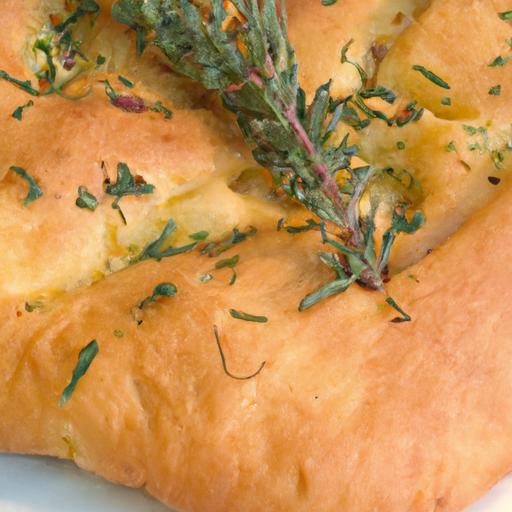

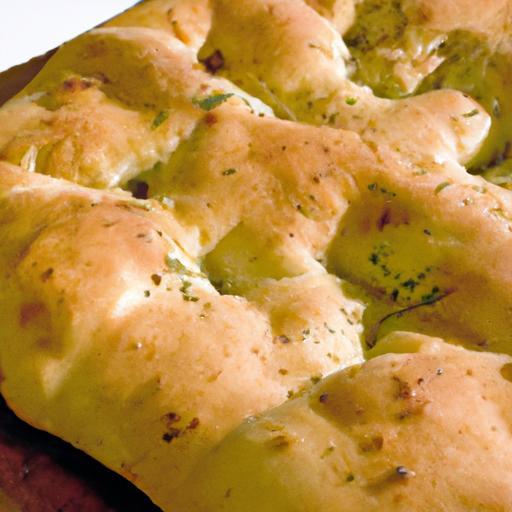
There’s something undeniably magical about focaccia-a golden, fragrant canvas that invites both tradition and imagination. Whether your a seasoned baker or a curious kitchen explorer, mastering the art of focaccia opens the door to endless creativity, turning simple ingredients into a mouthwatering masterpiece. in this guide, we’ll unravel the secrets behind the perfect focaccia crust and inspire you with inventive twists that elevate this classic Italian bread from humble staple to culinary showstopper. Ready to roll up your sleeves and transform flour, water, and olive oil into something extraordinary? Let’s dive in.
Master the Art of Focaccia begins with understanding the crucial balance between choosing the perfect flour and hydration. This Italian favorite owes its signature fluffy interior and crisp golden crust to the interplay of carefully selected ingredients and methodical techniques. The transformative magic comes from using a high-protein flour combined with an elevated hydration level, yielding an airy crumb with those irresistible pockets of softness.
Prep and Cook Time
- Preparation: 25 minutes
- First Rise (Bulk Fermentation): 1.5 to 2 hours
- Second Rise (Proofing in pan): 45 minutes
- Baking: 20-25 minutes
- Total time: Approximately 3 hours
Yield
One 9×13-inch pan, serving 8 generously sized slices
Difficulty Level
medium – Perfect for bakers pleasant with yeast fermentation and hydration nuances
Ingredients
- 4 cups high-protein bread flour, sifted
- 1 ¾ cups lukewarm water (around 80°F / 27°C)
- 2 teaspoons fine sea salt
- ¼ cup extra virgin olive oil, plus more for drizzling
- 2 teaspoons active dry yeast
- 1 teaspoon sugar (to activate the yeast)
- Coarse sea salt for finishing
- Fresh rosemary sprigs or thyme (optional topping)
- Cherry tomatoes or thinly sliced red onions (optional toppings)
Instructions
- Activate the yeast: In a small bowl, dissolve sugar in lukewarm water. Sprinkle the active dry yeast on top and let it sit for 5-10 minutes until foamy and bubbly – a sign of healthy yeast.
- Combine dry ingredients: In a large mixing bowl, whisk together the bread flour and sea salt thoroughly, ensuring even salt distribution for flavor and proper yeast fermentation.
- Create the dough: Slowly pour the yeast mixture and ¼ cup olive oil into the flour,stirring gently with a wooden spoon or your hand until a sticky,shaggy dough forms. This dough will be wetter than customary bread dough – that’s key for achieving the fluffy focaccia texture.
- Knead minimalistically: Turn the dough onto a lightly floured surface and knead gently for 4-5 minutes. Because of the high hydration, avoid overworking the dough – you want elasticity, not toughness.
- First rise (bulk fermentation): Transfer the dough to an oiled large bowl, cover tightly with a shower cap or damp cloth, and let it rise in a warm spot for 1.5 to 2 hours, or until doubled in volume. This fermentation is when the gluten relaxes and airy bubbles develop.
- Prepare the baking pan: Generously oil a 9×13-inch baking pan with olive oil so the dough doesn’t stick and the bottom crisps beautifully during baking.
- Shape and proof the dough: Gently transfer the risen dough to the oiled pan and carefully stretch it out to fill every corner without deflating too much of the air pockets. Cover and let it proof for another 45 minutes, allowing the dough to puff slightly.
- Create signature dimples: Drizzle more olive oil over the surface. Using your fingertips, press deep dimples across the entire surface. This not only forms the classic focaccia texture but helps trap oil and toppings for flavor bursts.
- Add toppings: Sprinkle coarse sea salt, and gently disperse fresh rosemary, cherry tomatoes, or thinly sliced red onions across the surface as desired.
- Bake to perfection: Preheat your oven to 450°F (230°C). Bake the focaccia for 20-25 minutes until the crust is golden amber and crisp. For an extra caramelized crust, rotate the pan halfway through baking.
- Rest and serve: Remove from the oven, brush a final light layer of olive oil for shine and moisture, and let rest for 10 minutes before cutting and serving.
Tips for Success
- Flour choice: Opt for bread flour with at least 12% protein content-it gives greater gluten strength and a chewier but open crumb unlike all-purpose flour, which yields a denser focaccia.
- Hydration balance: Don’t shy away from a wet dough; a high hydration (~70%) is essential for those signature bubbles and soft interior.
- Proofing habitat: Maintain a warm, draft-free spot (75°-80°F) to ensure consistent yeast activity. During colder months, a proofing drawer or microwave with a cup of hot water can create the perfect microclimate.
- Olive oil quality: Use extra virgin olive oil both in the dough and for drizzling-fresh, fruity oil enhances aroma and the final flavor profile immensely.
- Variations: Experiment with diverse toppings such as roasted garlic,caramelized onions,sliced olives,or za’atar spice blend for a Middle Eastern twist.
- Make ahead: The dough can be refrigerated after the first rise for up to 24 hours-just bring it back to room temperature before the second proof.
Serving Suggestions
This focaccia shines best sliced thick and served warm, perfect alongside a robust bowl of minestrone or a fresh garden salad. Garnish each piece with a sprinkle of flaky sea salt and a drizzle of olive oil to amplify its golden crust’s shimmer and taste. Pairing with herbed olive oil or balsamic reduction dips elevates this rustic bread to gourmet status.
| Nutrient | Per Serving (1 slice) |
|---|---|
| Calories | 230 kcal |
| Protein | 6 g |
| Carbohydrates | 34 g |
| Fat | 7 g |

For a deeper understanding of how hydration influences bread texture, check out this King Arthur Baking Guide. also, explore our Creative Breads and Artisan Doughs series for more inspiration.
Q&A
Q&A: Master the Art of Focaccia – A Creative Recipe Guide


Q1: What makes focaccia different from other types of bread?
A1: Focaccia stands out with its pillowy, airy crumb and golden, crisp crust that’s dimpled by fingertips to hold pools of olive oil and seasonings. Unlike denser breads, its unique texture and rich, fragrant olive oil infusion make it a canvas for endless creative toppings.
Q2: What are the essential ingredients to start a classic focaccia dough?
A2: The foundation is simple: high-quality flour, warm water, active yeast, salt, and generous olive oil. These few humble ingredients, given proper fermentation time, develop into a wonderfully airy, tender dough full of flavor.
Q3: How can I make my focaccia extra fluffy and light?
A3: the secret lies in slow fermentation! Allow the dough to rise gradually, either through a long cold fermentation in the fridge or several proofing stages at room temperature. This builds gluten strength and produces those signature airy pockets that delight every bite.
Q4: What creative toppings can elevate my focaccia beyond the classic rosemary and sea salt?
A4: Think of focaccia as an edible work of art! Fresh herbs like thyme, sage, or basil add dimension. Roasted garlic, caramelized onions, sun-dried tomatoes, colorful bell peppers, olives, artichokes, or edible flowers can transform your focaccia into a vibrant masterpiece of flavor and color.
Q5: Is it necessary to prick the dough with fingers before baking? Why?
A5: Absolutely! Those iconic dimples aren’t just for show-they create pockets that trap olive oil and toppings,keeping the surface luscious and preventing the dough from puffing up too much.It’s a tactile step that’s essential to focaccia’s charm and texture.
Q6: Can focaccia be made ahead and stored? What’s the best way?
A6: Yes! Baked focaccia keeps beautifully at room temperature for 1-2 days, wrapped in a clean tea towel or airtight container. For longer storage, freeze slices wrapped in parchment and foil. Warm them gently in the oven to revive the crisp crust and soft crumb.
Q7: How can I enjoy focaccia beyond a simple side bread?
A7: Focaccia is incredibly versatile: use it as the base for open-faced sandwiches bursting with fresh veggies and cheeses, or tear it into chunks for a flavorful crouton alternative in salads. It also shines dipped in flavored olive oils or paired with vibrant tapenades.
Q8: Are there any gluten-free or alternative flour options that work well for focaccia?
A8: While traditional focaccia relies on high-gluten wheat flour for structure, adventurous bakers can experiment with gluten-free blends designed for yeast breads. Combining rice flour, tapioca starch, and xanthan gum or psyllium husk can help mimic the texture, though expect a slightly different crumb.
Q9: How important is the olive oil quality in focaccia?
A9: olive oil is the heart and soul of focaccia! Using a fruity, robust extra-virgin olive oil elevates flavor profoundly. It seeps into the dough, enriches the crumb, and crisps the crust-so choose a high-quality oil you love to drizzle generously.
Q10: What temperature and baking time yield the best focaccia results?
A10: A hot oven (around 425°F or 220°C) ensures a golden, crispy crust while keeping interiors soft and fluffy. Bake for roughly 20-25 minutes, but watch closely as ovens vary. The focaccia is done when the top is shimmering golden and the edges have turned crisp.
unlock your inner baker-each batch of focaccia invites experimentation, beautiful imperfections, and delicious discoveries.Master the art with patience, creativity, and your favorite seasonal ingredients!
In conclusion
As you close the chapter on mastering the art of focaccia, remember that this humble bread is more than just a canvas for flavors-it’s a party of patience, creativity, and the simple joy of homemade baking. Whether you choose to infuse your dough with aromatic herbs, sprinkle it generously with sea salt, or adorn it with vibrant vegetables, each loaf tells a story uniquely your own. So, gather your ingredients, embrace the calming rhythm of kneading, and let your oven be the stage where tradition meets innovation. With every golden, fragrant focaccia you create, you’re not just baking bread-you’re crafting an edible masterpiece that invites warmth and connection around any table. Happy baking!