

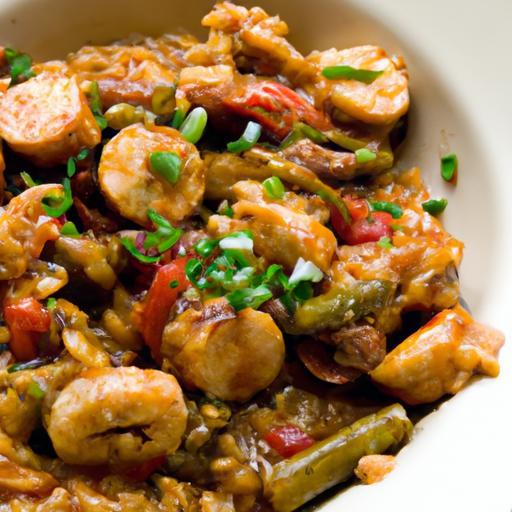
In the vibrant tapestry of southern cuisine, few dishes capture the spirit of festivity and community quite like jambalaya. A harmonious blend of bold spices, tender meats, and hearty rice, jambalaya is more than just a meal-it’s a flavorful journey through the heart of Louisiana’s rich culinary heritage. Whether you’re a seasoned cook seeking to perfect your technique or a curious foodie eager to explore new tastes, this ultimate jambalaya recipe guide is your gateway to unlocking the dish’s full potential. Prepare to dive into a world where every bite tells a story, and every ingredient plays a starring role in crafting the perfect pot of comfort and zest.
Unlocking flavor in jambalaya starts with a deep recognition for the vibrant tapestry of ingredients that bring this iconic Louisiana dish to life. Originating from the rich Creole and Cajun culinary traditions, jambalaya is a celebration of smoky, spicy, and savory layers infused into a hearty, textured dish. Whether you’re recreating the classic combination of chicken, shrimp, and Andouille-free sausage or aiming to balance heat and herbaceousness, the secret lies in choosing fresh, high-quality ingredients and harmonizing your seasoning. This guide unpacks everything you need to craft jambalaya with confidence and inspired creativity.
Prep and Cook Time For Jambalaya Recipe
- Preparation: 20 minutes
- Cooking: 1 hour 10 minutes
- Total Time: 1 hour 30 minutes
Yield
Serves 6 hearty portions
Difficulty level
Medium – perfect for home cooks ready to dive into Cajun flavors with guided technique
Ingredients
- 2 tablespoons vegetable oil or unsalted butter
- 1 large yellow onion, finely chopped
- 1 green bell pepper, diced
- 2 stalks celery, diced
- 4 cloves garlic, minced
- 1 pound boneless, skinless chicken thighs, cut into bite-sized pieces
- 1 pound smoked turkey sausage, sliced (pork-free)
- 1 pound raw shrimp, peeled and deveined
- 1 ½ cups long-grain white rice, rinsed and drained
- 3 cups chicken broth, preferably low sodium
- 1 (14.5 oz) can diced tomatoes, drained
- 2 teaspoons smoked paprika
- 1 teaspoon dried thyme
- 1 teaspoon dried oregano
- 1 teaspoon cayenne pepper (adjust to taste)
- 2 teaspoons Creole or Cajun seasoning
- 1 teaspoon freshly ground black pepper
- 2 bay leaves
- Salt to taste
- 2 tablespoons fresh parsley, chopped (for garnish)
- 2 green onions, thinly sliced (for garnish)
Instructions
- Heat oil or butter in a large heavy-bottomed pot or Dutch oven over medium heat. add the onion, bell pepper, and celery-collectively known as the “holy trinity” of Cajun cooking-and sauté until softened and fragrant, about 7 minutes.
- Add garlic and cook for 1 additional minute, stirring constantly to avoid burning.
- Incorporate chicken pieces and turkey sausage slices into the pot. Sauté until the chicken is browned on all sides, about 6-8 minutes.
- Season the meat and veggies with smoked paprika, thyme, oregano, cayenne, Creole seasoning, black pepper, and salt. Stir well to coat every morsel with these robust spices. This layering ensures that deep flavors permeate throughout.
- Add the rice next, stirring to toast it lightly, about 2 minutes. This step develops a subtle nuttiness and prevents the rice from becoming overly mushy.
- pour in the chicken broth and diced tomatoes,stirring to combine. Toss in the bay leaves. Bring the pot to a gentle boil, then reduce the heat to low, cover tightly, and simmer for 25 minutes without lifting the lid.
- Remove the lid and gently fold in the shrimp. Cover again and cook for another 8-10 minutes, or until the rice is tender and the shrimp are pink and opaque.
- Discard bay leaves, fluff the jambalaya gently with a fork, and adjust seasoning if needed. Let it rest for 5 minutes off heat before serving.
Chef’s Notes & Tips for Success
- Ingredient freshness is key: Using fresh shrimp and high-quality broth elevates the depth of flavor dramatically.
- Spice balance: Start with less cayenne if you’re sensitive to heat; you can always add hot sauce at the table.
- Rice choice: Long-grain white rice works best for that distinct, fluffy texture; avoid quick-cooking varieties that become mushy.
- make ahead: Jambalaya can be prepared a day in advance; flavors meld beautifully when reheated gently.
- Customization: Feel free to substitute chicken thighs with skinless turkey breast or firm white fish for a lighter take.
Serving Suggestions
Serve your jambalaya steaming hot in deep bowls, garnished generously with chopped parsley and a sprinkle of green onions for freshness and color contrast.A side of crusty French baguette or a crisp green salad adds textural balance. For an extra touch, offer lemon wedges or Creole hot sauce to enliven each bite.
| Nutrient | Per Serving |
|---|---|
| Calories | 480 kcal |
| Protein | 38 g |
| Carbohydrates | 45 g |
| Fat | 12 g |

For a detailed guide on classic Cajun herbs and spices, visit Serious Eats. Also, explore our related Creole Chicken and Rice recipe to broaden your Southern culinary repertoire.
Q&A
Q&A: Unlocking Flavor - The Ultimate Jambalaya Recipe Guide


Q1: What makes jambalaya such a beloved dish in Southern cooking?
A1: Jambalaya is a vibrant celebration of culture, history, and bold flavors all in one pot.Originating from Louisiana’s melting pot of French, Spanish, and creole influences, its magic lies in the perfect balance of spices, rice, and hearty proteins. It’s comfort food with a spirited kick,bringing people together with every savory bite.
Q2: What are the essential ingredients that define an authentic jambalaya?
A2: At its core, jambalaya features the “holy trinity” of Cajun and Creole cooking: onions, bell peppers, and celery. Combined with fragrant spices like smoked paprika,cayenne,and thyme,plus long-grain rice and a rich broth,these elements create a robust base. Protein options typically include chicken, seafood like shrimp or crab, andouille-style sausage (non-pork alternatives), or a mix for depth and texture.
Q3: How do you achieve the perfect balance of texture in jambalaya?
A3: The secret is layering flavors and cooking techniques.Start by sautéing the holy trinity until tender and aromatic. Searing proteins helps lock in juices, while toasting the rice just slightly before simmering brings a nutty dimension and prevents mushiness. Slow-simmering allows the ingredients to meld, infusing every grain with bold character-resulting in a dish that’s hearty, not heavy.
Q4: Can jambalaya be made in advance, and how do you reheat it without losing flavor?
A4: Absolutely! Jambalaya tastes even better the next day as the flavors meld further. Store it in an airtight container refrigerated for up to 3 days. Reheat gently on the stove with a splash of broth or water to revive moisture,stirring occasionally. Avoid microwave overuse, which can dry out the rice and proteins.
Q5: What are some creative twists to put a personalized spin on jambalaya?
A5: while traditional jambalaya is a masterpiece on its own, feel free to explore exciting variations. Swap chicken for turkey, or add a medley of shellfish like scallops and mussels for a coastal vibe. Incorporate smoked turkey sausage or veggie sausage alternatives for spice without pork. for an extra pop, toss in fresh herbs like parsley or green onions at the end, or add a zest of lemon or a dash of hot sauce tableside to brighten the dish.
Q6: How can someone new to jambalaya handle the spice level?
A6: Jambalaya is known for its kick,but you control the fire! Start by adding cayenne and black pepper in modest amounts-remember,you can always spice it up later.Mild smoked paprika imparts a rich depth without heat. for those sensitive to spice,consider adding a dollop of cooling Greek yogurt or a side of crisp cucumber salad to balance the warmth.
Q7: What cooking tools make the jambalaya experience easier and more enjoyable?
A7: A heavy-bottomed pot or Dutch oven is your best friend-it distributes heat evenly and prevents sticking or burning. A sharp knife makes chopping the holy trinity and proteins easier and safer. Lastly, a sturdy wooden spoon allows you to stir without mashing the rice, keeping the dish’s hearty texture intact.
Unlocking the secret to irresistible jambalaya is all about patience,quality ingredients,and a love for soulful seasoning. Whether you stick to classic roots or create your own jambalaya masterpiece, this dish promises a feast for both the palate and the heart!
Wrapping Up
As the final spoonful of your jambalaya lingers on the palate, you’ll realize that this dish is far more than a meal-it’s a vibrant tapestry of culture, history, and bold flavors coming together in perfect harmony. Armed with the tips, techniques, and secrets shared in this ultimate jambalaya recipe guide, you’re now ready to embark on your own culinary adventure. whether you’re simmering a traditional Creole masterpiece or adding a personal twist, the magic lies in unlocking those layers of flavor that transform simple ingredients into a soul-satisfying feast. So gather your spices, fire up the stove, and let your kitchen become a flavorful crossroads where every bite tells a story worth savoring.