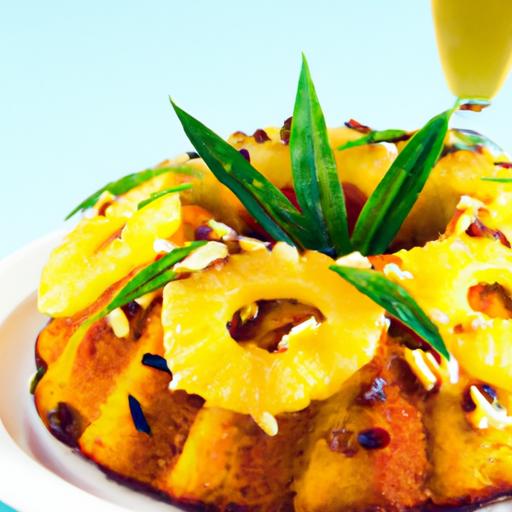

Beneath the caramelized crown of golden rings and cherries lies a story as rich and layered as the cake itself.Pineapple upside-down cake, with its glossy, sweet-tart allure, has enchanted taste buds and hearts for generations. But beyond its inviting appearance and irresistible flavor is a interesting journey of culinary creativity and sweet ingenuity. In this article, we’ll unravel the delightful secret behind this beloved dessert-exploring its origins, the science of its luscious glaze, and the timeless charm that keeps it perched upside-down in kitchens and celebrations worldwide. Prepare too flip your perspective and discover why pineapple upside-down cake remains a classic treat that continues to delight.
The sweet secret behind pineapple upside-down cake delights begins with the enchanting history and artful balance of flavors that this classic dessert brings to the table. Originating during America’s Great Depression era, this cake was a clever way to showcase simple, affordable ingredients like canned pineapple and brown sugar while delivering an eye-catching, caramelized crown that tastes as good as it looks.Every time you flip this cake out of the pan, you unveil a golden mosaic of juicy pineapple rings and tender, buttery crumbs that marry tropical sweetness with rich caramel notes-a true celebration of comfort and flair.
prep and Cook Time
- Planning: 20 minutes
- Cooking: 40 minutes
- Total Time: 1 hour
Yield
Serves 8 keen dessert lovers
Difficulty Level
Easy – Perfect for bakers of all skill levels eager to master that glossy caramel swirl.
Ingredients
- 1/4 cup unsalted butter,melted
- 2/3 cup packed light brown sugar
- 8-10 canned pineapple rings,drained (reserve juice)
- 10 maraschino cherries (optional,for garnish)
- 1 1/3 cups all-purpose flour,sifted
- 1 cup granulated sugar
- 1/3 cup vegetable oil
- 1 1/2 tsp baking powder
- 1/2 tsp salt
- 3/4 cup reserved pineapple juice (from can)
- 1 large egg,beaten
- 1 tsp vanilla extract
Instructions
- Preheat your oven to 350°F (175°C).Lightly grease a 9-inch round cake pan and pour the melted butter evenly over the bottom.
- Sprinkle the brown sugar evenly over the melted butter to create the luscious caramel layer that forms the cake’s signature glaze.
- Arrange the pineapple rings over the brown sugar,spacing them evenly. Place a maraschino cherry in the center of each ring for a pop of color and classic charm.
- Whisk together the dry ingredients: sift the all-purpose flour, baking powder, and salt into a medium bowl.
- In a separate bowl, combine the wet ingredients: granulated sugar, vegetable oil, reserved pineapple juice, beaten egg, and vanilla extract. Mix until fully blended.
- Gradually fold the dry ingredients into the wet mixture until just combined, careful not to overmix to keep the cake tender and light.
- Pour the batter gently over the pineapple and brown sugar base, smoothing the top with a spatula. the batter should fill the pan without overflowing.
- Bake in the preheated oven for 35-40 minutes, or until a toothpick inserted near the center comes out clean and the top is golden and slightly springy.
- Remove the cake from the oven and let it cool in the pan for 10 minutes. Run a thin knife around the edges to loosen.
- Invert the cake onto a serving plate while still warm to reveal the glistening caramelized pineapple glaze. If any pineapple sticks to the pan, gently lift and place back on the cake.
Tips for Success: Mastering the Art of Caramelized Pineapple
To maximize the depth of flavor, use fresh pineapple slices if available-briefly sauté them in the melted butter and brown sugar mixture until golden and caramelized before layering. if using canned pineapple, reserve the juice to enhance the batter’s moistness.
Be sure to evenly distribute the brown sugar and butter, as they create that signature golden glaze. Avoid pressing the batter too hard over the pineapple rings to prevent losing the stunning pattern.
For an extra-moist cake, gently fold some of the reserved pineapple juice into the batter but do not overdo it, as excess liquid can weigh down the crumb.
If you want a lighter texture, substitute half the all-purpose flour with cake flour for a tender crumb.
Choosing the Perfect Cake Base to Complement Tropical Sweetness
The choice of cake batter profoundly influences the overall taste balance. This recipe’s moist, gently spiced vanilla batter provides an ideal canvas that allows the caramelized pineapple’s tropical notes to shine without overpowering. When developing your version, consider a buttery yellow cake or a delicate chiffon base to highlight fruit brightness with a soft crumb. Experimenting with a hint of warm spices like cinnamon or nutmeg can also elevate your cake’s aroma and add complexity.
Serving Suggestions: Elevating Every Slice
Serve slices warm or at room temperature for the full effect of the luscious caramel glaze. A dollop of freshly whipped cream or a scoop of vanilla bean ice cream pairs exquisitely, cutting through the sweetness with creamy richness.
Garnish with freshly chopped mint leaves and a sprinkle of toasted coconut flakes for an island-inspired touch.
For an elegant presentation, slice generous wedges and plate individually, drizzling with extra caramel sauce or a tangy passion fruit coulis to complement the pineapple’s natural acidity.
| Nutritional Information (per slice) | Amount |
|---|---|
| Calories | 320 kcal |
| Protein | 3 g |
| Carbohydrates | 50 g |
| Fat | 10 g |
Internal Link: For more tropical inspired desserts, check out our Tropical Fruit Pastries recipe collection.


External Link: Learn more about the history of classic american desserts at Smithsonian Magazine.

Q&A
Q&A: The Sweet Secret behind Pineapple Upside-Down Cake Delights
Q1: What makes pineapple upside-down cake so uniquely flavorful?
A1: It’s the magical marriage of caramelized sugar, buttery richness, and the tropical tang of pineapple that creates a symphony of flavors. When baked, the pineapple slices soak into the cake, infusing each bite with a moist, fruity sweetness that’s perfectly balanced by the hint of caramelized brown sugar on top.
Q2: Were did pineapple upside-down cake originate?
A2: Though pineapple upside-down cake is widely enjoyed in American kitchens,its roots trace back to the early 20th century. Inspired by French and English upside-down tarts, the cake became popular when canned pineapples made the tropical fruit accessible and affordable, allowing home bakers to create this vibrant, colorful treat.
Q3: Why is it called “upside-down” cake?
A3: The name comes from the baking process. The fruit and sugary glaze are arranged at the bottom of the pan before the batter is poured on top. Once baked and inverted onto a plate, the caramelized pineapple and cherries crown the cake, creating an inviting, glossy top that’s the star of the show.
Q4: Can other fruits be used in place of pineapple?
A4: Absolutely! While pineapple is iconic, the “upside-down” method welcomes creativity.Apples,pears,peaches,and even berries can be used to craft different flavor profiles while keeping that signature caramelized topping and moist,tender crumb.
Q5: What is the secret to getting that perfect caramel glaze?
A5: The key is brown sugar and butter, melted together until they bubble and brown slightly. This combination creates a rich,buttery caramel that coats the fruit and seeps into the cake during baking,giving that irresistible shine and flavor. Using fresh or canned pineapple with natural juice helps keep the glaze luscious and moist.
Q6: How can I ensure my cake doesn’t stick to the pan when flipping it?
A6: Preparation is essential! Generously greasing the pan with butter and sprinkling a light layer of brown sugar before adding the fruit will form a natural non-stick barrier. Letting the cake cool briefly after baking also helps the glaze set, making the flip smoother and cleaner.
Q7: What makes pineapple upside-down cake a nostalgic favorite?
A7: Beyond its scrumptious taste, pineapple upside-down cake evokes cozy home gatherings and timeless celebrations. its colorful presentation and comforting caramel sweetness often remind people of cherished family recipes passed down through generations, adding an extra layer of warmth to each slice.
Q8: Can pineapple upside-down cake be made ahead of time?
A8: Yes! This cake holds up wonderfully when made a day in advance, as the flavors continue to meld overnight. Just keep it covered at room temperature or lightly wrapped in plastic wrap to preserve moisture. For baking enthusiasts who love convenience, it’s a delicious option for preparing ahead of parties or holidays.
Q9: What kind of cake batter works best for pineapple upside-down cake?
A9: A simple, buttery yellow or vanilla cake batter complements the fruit and caramel perfectly. It should be moist and tender but sturdy enough to hold the pineapple slices and glaze without falling apart-think of it as the perfect stage for your tropical star.Q10: any tips for adding a creative twist to the classic recipe?
A10: To make your pineapple upside-down cake truly unforgettable, consider adding a sprinkle of toasted coconut flakes on top after flipping, or infuse the batter with warm spices like cinnamon and nutmeg. A drizzle of honey or a splash of citrus zest can also brighten the flavors, making each bite a fresh, sweet surprise.
In Retrospect
As the final slice is savored and the last caramelized pineapple bites melt away, it’s clear that the charm of pineapple upside-down cake lies far beyond its glossy, golden appearance. This timeless dessert is a delicious intersection of history, chemistry, and creativity-a sweet secret that continues to delight taste buds across generations. Whether enjoyed as a nostalgic treat or a centerpiece at your next gathering, pineapple upside-down cake invites us all to celebrate the simple magic that happens when tropical sweetness meets buttery indulgence. So next time you bake-or bite into-this classic delight, remember you’re partaking in a rich tradition that transforms humble ingredients into something truly extraordinary.