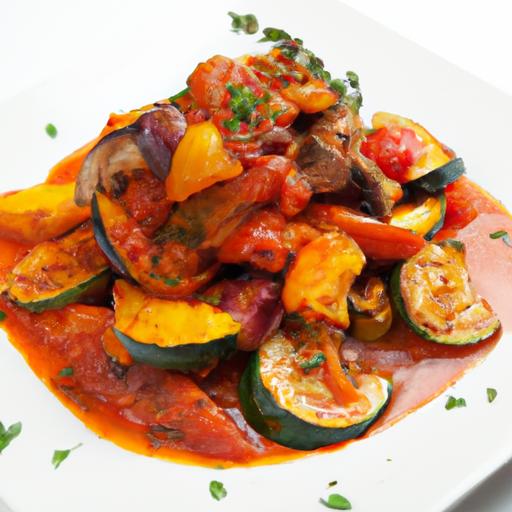

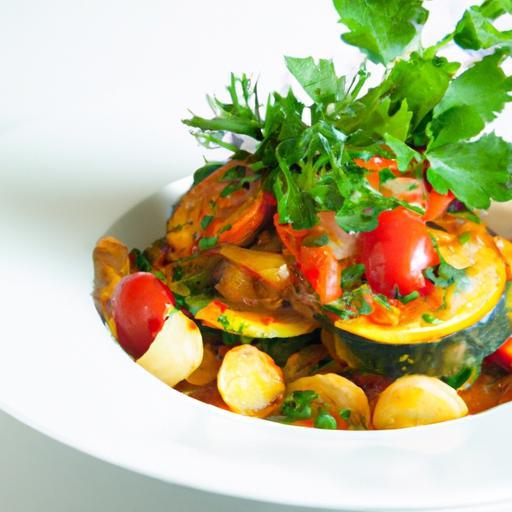
There’s something truly magical about classic French ratatouille-a vibrant mosaic of summer vegetables simmered to perfection, bursting with earthy aromas and sun-kissed flavors. More than just a dish, ratatouille is a celebration of simplicity and tradition, an artful symphony of fresh ingredients harmonizing in every bite.Whether your an aspiring home cook or a seasoned foodie, mastering the art of this iconic Provencal stew unlocks a world of culinary delight and timeless technique. Join us as we unfold the flavorful story behind ratatouille and guide you step-by-step to crafting this heartwarming masterpiece in your own kitchen.
Master the art of Classic French Ratatouille by selecting the freshest, ripest ingredients, ensuring every bite bursts with authentic mediterranean flavors. Originating from the scenic region of Provence, this vibrant vegetable medley brings the sun-kissed essence of summer into your kitchen. My first encounter with ratatouille was at a rustic countryside bistro in Provence, where the perfectly balanced blend of flavors and textures left an unforgettable impression that I’ve recreated countless times since.
Prep and Cook Time
- Preparation: 30 minutes
- Cooking: 1 hour
- Total Time: 1 hour 30 minutes
Yield
- Serves 6 as a main or side dish
Difficulty Level
- Medium – Ideal for home cooks looking to hone classic French techniques
Ingredients
- 2 medium eggplants, cut into ½-inch cubes
- 3 zucchini, sliced into ¼-inch rounds
- 4 plum tomatoes, peeled, seeded, and chopped
- 1 large yellow onion, finely diced
- 1 red bell pepper, thinly sliced
- 1 yellow bell pepper, thinly sliced
- 4 garlic cloves, minced
- ¼ cup extra virgin olive oil, divided
- 1 tbsp tomato paste
- 1 tsp fresh thyme leaves
- 1 tsp fresh rosemary, minced
- ½ tsp dried herbes de Provence or mixed dried herbs
- salt and freshly ground black pepper, to taste
- Fresh basil leaves for garnish
Instructions
- Prepare the vegetables: Rinse and dry all vegetables thoroughly. Salt the diced eggplant and place in a colander for 20 minutes to draw out bitterness, then rinse and pat dry.
- Sauté onions and garlic: Heat 2 tablespoons of olive oil in a large skillet over medium heat. Add the diced onions and cook until translucent, about 5 minutes. stir in the minced garlic and cook another minute until fragrant.
- Cook the peppers: Add sliced red and yellow bell peppers to the skillet and sauté until softened but still tender, approximately 7 minutes. Remove from skillet and set aside.
- Sauté eggplant and zucchini separately: In the same skillet, add a tablespoon of olive oil and cook the eggplant cubes until golden brown and tender, about 8 minutes. transfer to a bowl. Repeat for zucchini slices, cooking until just tender and lightly caramelized, about 5 minutes.
- Simmer tomatoes: In a separate saucepan, heat remaining olive oil and stir in tomato paste.Add the peeled and chopped tomatoes, thyme, rosemary, herbes de provence, salt, and pepper. Simmer gently for 15 minutes until it thickens to a rich sauce.
- Combine and layer: Preheat your oven to 375°F (190°C).In a deep baking dish, pour a thin layer of the tomato sauce. Arrange the cooked vegetables in alternating,overlapping slices or in vibrant clusters,layering eggplant,zucchini,and peppers evenly.
- Bake: Pour remaining tomato sauce over the layered vegetables. Cover the dish tightly with foil and bake for 45 minutes. Remove the foil for the last 10 minutes to allow edges to caramelize and deepen in flavor.
- Rest and garnish: Let the ratatouille rest for 10 minutes before serving. Garnish with freshly chopped basil leaves to brighten the dish visually and aromatically.
Tips for Success
- For balanced textures, avoid overcooking vegetables; they should remain tender with a slight bite to preserve vibrancy.
- If you prefer a rustic, chunky texture, dice vegetables larger; for an elegant presentation, slice thinly and layer meticulously.
- Use fresh herbs whenever possible-dried herbs can overpower the delicate balance of the dish.
- make ratatouille a day ahead; flavors intensify and meld beautifully after resting overnight.
- Substitute eggplant with pattypan squash for a visually charming alternative.
Serving Suggestions
Present this warming,fragrant dish alongside freshly baked baguette or creamy polenta. Ratatouille pairs exquisitely with classic French dishes like Herb-roasted Chicken or a simple ratatouille-inspired beef stew. Drizzle with a splash of extra virgin olive oil and add a sprinkle of grated Parmigiano-Reggiano or crumbled goat cheese to elevate textures and flavors. Garnish with fresh basil or thyme sprigs for an authentic Provence table feel.

| Nutrient | Per Serving |
|---|---|
| Calories | 180 kcal |
| Protein | 4 g |
| Carbohydrates | 22 g |
| Fat | 9 g |
Q&A
Q&A: Master the Art of Classic French Ratatouille – A Flavorful Guide
Q1: what exactly is ratatouille, and why is it considered a classic French dish?
A1: Ratatouille is a vibrant, hearty vegetable stew originating from Provence in southeastern France. It’s a celebration of summer’s bounty-featuring zucchini, eggplant, bell peppers, tomatoes, onions, and plenty of fragrant herbs like thyme and basil.This dish embodies the essence of rustic French cuisine: simple ingredients transformed through slow cooking into a medley bursting with layered flavors.
Q2: Which vegetables are essential to making an authentic ratatouille?
A2: The quintessential ratatouille always includes eggplant, zucchini, bell peppers (red, yellow, or green), tomatoes, onions, and garlic. Each vegetable brings its own texture and character-eggplant offers a silky softness, zucchini adds a tender bite, and peppers contribute sweetness. Fresh herbs like thyme, bay leaves, and basil tie everything together.
Q3: Should the vegetables be cooked together or separately?
A3: For a truly masterful ratatouille, vegetables are often sautéed separately at first. This technique prevents them from becoming mushy and ensures each holds its unique texture and flavor. After individually cooking,they’re gently combined to simmer,allowing the flavors to marry without losing their identity.


Q4: What cooking techniques help maximize the flavor of ratatouille?
A4: Slow and patient cooking is key. Begin by sweating onions and garlic to release their sweetness, then sauté each vegetable until just tender. Layering the ingredients and simmering them gradually deepens the flavor profile. Some chefs even roast or grill certain vegetables beforehand for a smoky dimension. don’t forget a drizzle of good-quality olive oil and fresh herbs to brighten the dish.
Q5: How does ratatouille fit into different meals or courses?
A5: Ratatouille is incredibly versatile. It’s equally delicious served as a warm side to roasted meats or grilled fish, a hearty vegetarian main when paired with crusty bread or rice, or even chilled as a summery salad. It can also complement eggs for a savory brunch or be folded into pasta for a wholesome dinner.
Q6: Can the classic ratatouille recipe be adapted for dietary preferences or seasonal changes?
A6: Absolutely! While the classic recipe shines in summer, you can adapt seasonally by incorporating whatever fresh vegetables are available. For a low-carb option, serve it without bread or pasta. to create a vegan or gluten-free dish, simply stick to the veggies and herbs, and avoid any animal-based additions. Ratatouille’s beauty lies in its flexibility and embracing fresh, wholesome ingredients.
Q7: What are common mistakes to avoid when making ratatouille?
A7: One common trap is overcrowding the pan, which steams rather than sears the vegetables, leading to sogginess. Overcooking can turn the dish into a mushy mess,so aim for tender but distinguishable pieces.Another pitfall is under-seasoning-don’t skimp on salt, pepper, and herbs as they elevate every bite. Lastly, using low-quality tomatoes or olive oil can dull the vibrant flavors that make ratatouille memorable.Q8: How long can ratatouille be stored, and does it taste better the next day?
A8: Ratatouille actually improves with time-the flavors meld wonderfully when refrigerated overnight. Stored in an airtight container, it will keep in the fridge for up to 4-5 days. You can also freeze ratatouille for up to 3 months, making it a convenient and tasty make-ahead option.
with each carefully chosen ingredient and mindful step, mastering classic French ratatouille invites you to savor the timeless art of simple yet complex cooking. Bon appétit!
Final Thoughts
As the final simmering notes of your homemade ratatouille dance on the palate, you’ll realise that this humble dish is much more than a simple medley of vegetables-it’s a celebration of tradition, patience, and the vibrant spirit of French cuisine. mastering the art of classic French ratatouille not only enriches your culinary repertoire but also invites you to savor the essence of Provence with every bite. So, whether served as a hearty side or a starring main, let your ratatouille be a delicious reminder that great flavors are born from thoughtful techniques and a dash of love. Bon appétit!