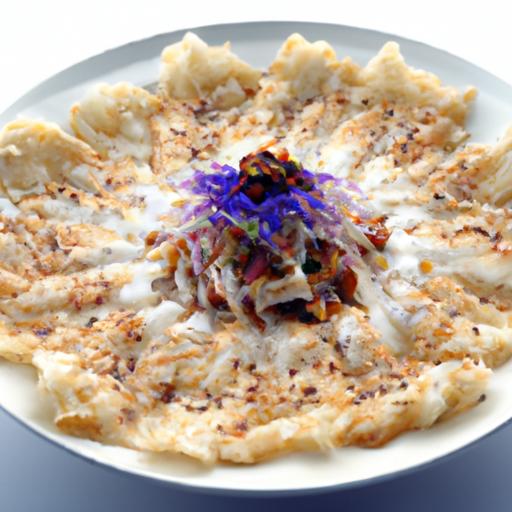

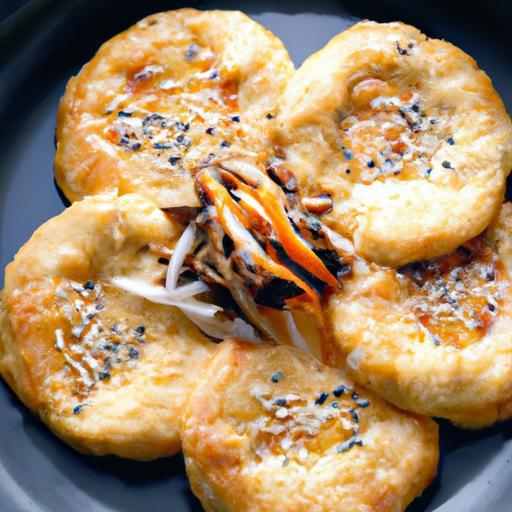
Nestled along the bustling streets of Korea, where vibrant markets brim with fresh catches and the air is tinged with the scent of the ocean, lies a culinary treasure that has captured hearts and palates alike: the iconic seafood pancake. More than just a dish, this golden, crispy delight-known locally as haemul pajeon-is a harmonious party of the sea’s bounty and Korea’s rich gastronomic heritage. In this article, we embark on a flavorful journey to savor the sea through Korea’s beloved seafood pancake, uncovering its origins, unique ingredients, and the cultural rituals that make each bite an unforgettable experience. Whether you’re a curious food lover or a seasoned traveler, prepare to dive deep into the savory world where ocean flavors and sizzling batter unite in perfect harmony.
Haemul Pajeon, the quintessential Korean seafood pancake, invites you to savor the sea with its harmonious blend of crispy edges, tender batter, and a bounty of fresh, briny seafood. Rooted in centuries-old Korean coastal cuisine,this dish has transcended time becoming a beloved comfort food across the peninsula. Its golden crust, speckled with vibrant green scallions and succulent morsels of squid, shrimp, and clams, offers an irresistible medley that’s both hearty and delicate. Whether enjoyed on rainy days or lively gatherings, the magic of Haemul Pajeon lies in its simple ingredients elevated by technique and tradition.
Prep and cook Time
- Preparation: 15 minutes
- Cooking: 15 minutes
- Total: 30 minutes
Yield
Serves 3-4 peopel (1 large pancake or 2 medium-sized pancakes)
Difficulty Level
Medium – Perfect for cooks pleasant with multitasking and controlling heat
Ingredients
- 1 cup all-purpose flour, sifted
- ¼ cup rice flour (for extra crispiness)
- 1 ¼ cups ice-cold water
- 1 large egg
- 1 cup mixed seafood (squid rings, shrimp, mussels, clams), cleaned and chopped if large
- 1 bunch green onions (scallions), cut into 2-inch lengths
- 2 cloves garlic, minced
- ½ tsp sea salt
- 1 tsp Korean chili flakes (gochugaru) – optional for subtle heat
- Vegetable oil, for frying (about 3-4 tbsp)
- For dipping sauce:
- 2 tbsp soy sauce
- 1 tbsp rice vinegar
- 1 tsp toasted sesame oil
- 1 tsp sugar
- 1 finely chopped green chili or ½ tsp red pepper flakes
- 1 tsp toasted sesame seeds
- 1 tsp finely chopped scallion
instructions
- Prepare the batter: In a large mixing bowl, whisk together all-purpose flour, rice flour, and salt. Slowly add cold water while mixing until a smooth, slightly thin batter forms. Add the egg and continue blending until fully incorporated for a silky texture.
- Add aromatics and seafood: Fold in minced garlic, mixed seafood, and green onions, ensuring everything is evenly coated by the batter. The layering of the scallions not only adds crunch but visual contrast once cooked.
- Heat the pan: Preheat a non-stick skillet over medium heat and add a generous 2 tablespoons of vegetable oil, making sure it coats the entire surface evenly.
- Cook the pancake: Pour the batter into the pan, spreading it into a roughly 8-inch circle and pressing gently to ensure even thickness. Sauté until the edges are golden brown and crisp, approximately 5 minutes. Use a spatula to carefully flip it over.
- Finish cooking: Add another tablespoon of oil around the edges after flipping. Cook the other side for 4-5 minutes until golden and the seafood is cooked through. Lower the heat if necessary to prevent burning while ensuring doneness.
- Make the dipping sauce: While the pancake cooks, whisk together soy sauce, rice vinegar, sesame oil, sugar, chili, sesame seeds, and scallion in a small bowl. adjust seasoning according to taste.
- Serve instantly: Transfer the Haemul Pajeon to a cutting board, slice into wedges, and serve hot with the dipping sauce on the side.
Tips for Success
- Freshness is key: Use the freshest seafood available to enhance flavor and texture. Frozen seafood can be used but thaw and drain excess water before mixing.
- Keep the batter cold: Use ice-cold water to help create a crispier, lighter pancake texture.
- Control the heat: Medium heat works best to get a golden crust without burning. If the pan gets to hot, the inside may remain undercooked.
- Variation ideas: Add finely chopped kimchi for a tangy twist or swap in seafood with firm fish flakes. For a gluten-free alternative, substitute all-purpose with buckwheat flour blend.
- Make-ahead tip: Batter can be prepared and refrigerated up to 2 hours before cooking. Stir gently before frying to recombine.
Serving Suggestions
Serve Haemul Pajeon piping hot, garnished with a sprinkle of toasted sesame seeds and finely sliced scallions to amplify its earthy notes. Pair with kimchi or pickled radish on the side for a complementary tang. Traditionally, this dish is enjoyed alongside a chilled glass of makgeolli (Korean rice wine), whose slight sweetness and creamy texture balance the savory pancake beautifully.For a modern twist, consider pairing with a crisp, mineral-driven white wine or a light lager that refreshes the palate.

| Nutrient | Per Serving |
|---|---|
| Calories | 270 kcal |
| Protein | 18 g |
| Carbohydrates | 30 g |
| Fat | 7 g |
Explore more Korean culinary treasures like authentic kimchi to complement your Haemul Pajeon experience. for deeper cultural insight into Korean seafood,visit Korea.net.
Q&A
Q&A: Savor the Sea – Discovering Korea’s Iconic Seafood pancake


Q1: What exactly is Korea’s seafood pancake?
A1: Korea’s seafood pancake, known as haemul pajeon (해물파전), is a savory, crispy yet chewy pancake made from a batter of wheat flour, eggs, and water, generously mixed with fresh seafood-think squid, shrimp, clams-and fragrant green onions. It’s a beloved dish that marries land and sea in every bite, bringing a symphony of textures and umami flavor to your palate.
Q2: Why is haemul pajeon considered an iconic Korean dish?
A2: Beyond its flavorful taste, haemul pajeon holds a special place in Korean culture. Traditionally enjoyed on rainy days with a glass of makgeolli (a lightly sparkling rice wine), it’s a comfort food that invokes nostalgia and communal dining. It’s a dish that showcases korea’s bountiful coastal ingredients and culinary ingenuity,making it both a cultural emblem and a gastronomic delight.
Q3: How is the perfect seafood pancake made?
A3: The secret lies in balance. The batter should be light enough to stay crispy yet moist inside. Fresh seafood is key; the sashimi-grade freshness of shrimp,squid,and clams elevates the pancake’s flavor. Green onions add a subtle pungency,cutting through the richness. Cooking on a hot,lightly oiled pan until golden brown ensures that irresistible crisp crust. Served with a tangy soy-vinegar dipping sauce,it’s pure magic.
Q4: Are there regional variations of haemul pajeon in Korea?
A4: Yes! Coastal regions often highlight the freshest local catches- Busan and Jeju Island are famous for their seafood, so their pancakes can be packed with a variety of shellfish and fish. Some variations might include more vegetables or use different flours for texture. Each bite subtly tells the story of the sea from its region.
Q5: How can I best enjoy haemul pajeon as part of a Korean meal?
A5: Pair it with makgeolli for a traditional experience; the milky, slightly sweet rice wine perfectly complements the savory, crispy pancake. It’s also great as an appetizer or shared snack during social gatherings. For the full feast, enjoy it alongside kimchi and other banchan (side dishes) to balance flavors and textures.
Q6: Can I try making seafood pancakes at home even if I’m not an expert cook?
A6: Absolutely! Haemul pajeon is surprisingly forgiving. Using a pre-made Korean pancake mix can simplify the process. fresh or even frozen seafood works, and green onions are a must-have. Just remember to cook it on medium heat to avoid burning while ensuring it’s cooked through. Cooking it together makes for a fun, interactive culinary adventure.
Q7: What makes seafood pancakes a universal delight beyond Korea?
A7: Its crispy texture, briny seafood flavors, and easy sharing make haemul pajeon universally appealing. It’s a dish that invites people to gather,dip,and savor together-a perfect reflection of food’s power to unite. Whether at a Korean street market or your own dinner table, this pancake brings the ocean’s bounty alive in a way that transcends borders.
Dive into the world of haemul pajeon and you’ll find more than just a dish-you’ll discover a celebration of Korea’s rich coastal heritage, communal spirit, and timeless comfort food tradition. Savor the sea, one crispy bite at a time!
To Conclude
As the last crispy bite of korea’s iconic seafood pancake melts away, you’re left not just with flavors but with a story-a story of coastal traditions, bustling markets, and the artful blend of land and sea on a single griddle. Savoring this beloved dish is more than a meal; it’s a delicious passport to Korea’s vibrant culinary heritage.So next time you crave something crispy, savory, and rich with oceanic charm, remember that each seafood pancake serves up a slice of Korea’s coastal soul, inviting you to discover the depths of flavor that await just beneath the surface.