

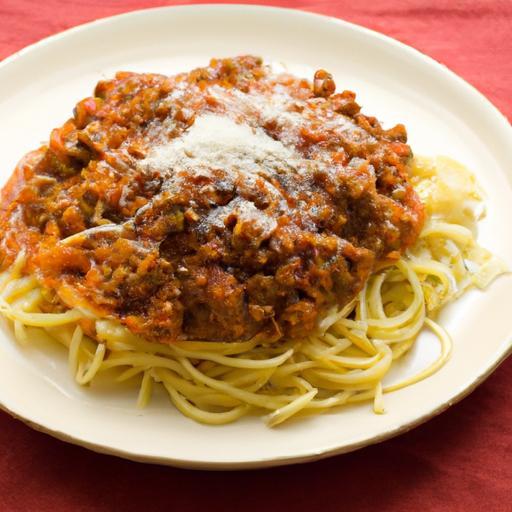
There’s a timeless magic simmering in every pot of classic Bolognese sauce-a rich tapestry of flavors that has captured hearts adn palates across generations. More than just a pasta topping, Bolognese is an artful blend of tradition, technique, and patience, weaving together humble ingredients into a hearty symphony of savory perfection. Weather you’re a seasoned home cook or a curious kitchen adventurer,mastering this iconic italian sauce opens the door to culinary authenticity and comfort in every bite. In this ultimate guide, we’ll unravel the secrets behind the classic Bolognese, from the freshest ingredients to the slow-simmering methods that transform simple elements into a legendary masterpiece. Prepare to elevate your cooking and bring a taste of Bologna straight to your table.
Mastering the Classic Bolognese Sauce guide begins with selecting the freshest, most authentic ingredients-this foundational step breathes life into every simmering pot. Originating from Bologna, italy, this sauce is a celebration of humble components united by technique and time. From vibrant aromatic vegetables to premium meats and rich dairy, each layer of flavor is thoughtfully crafted to create a sauce that’s both hearty and nuanced. As you embark on this culinary journey, you’ll discover that the soul of Bolognese lies not just in what you use, but how you coax the depths of flavor from these ingredients.
Prep and Cook Time
- planning: 20 minutes
- Cooking: 2 hours 30 minutes (slow simmering)
- Total Time: 2 hours 50 minutes
Yield
Serves 6 hearty portions-perfect for family dinners or special occasions.
Difficulty Level
Medium: Requires attentive simmering and layering of ingredients, ideal for cooks ready to elevate their sauce-making skills.
Ingredients
- 2 tbsp extra virgin olive oil
- 3 tbsp unsalted butter
- 1 large onion, finely diced
- 2 celery stalks, finely diced
- 2 medium carrots, finely diced
- 4 garlic cloves, minced
- 200g pancetta, finely chopped
- 500g ground beef (preferably chuck)
- 300g ground pork
- 250ml whole milk
- 250ml dry white wine
- 800g canned San Marzano tomatoes, crushed by hand
- 2 tbsp tomato paste
- 1 cup beef stock, homemade or low sodium
- Salt and freshly ground black pepper, to taste
- 1 tsp freshly grated nutmeg
- Fresh basil and thyme sprigs
- Freshly grated Parmigiano-Reggiano, for serving
Instructions
- Heat olive oil and butter in a heavy-bottomed pot over medium heat until the butter melts and begins to sizzle.
- Add onion, celery, and carrots-the classic soffritto-and sauté gently until translucent and soft, about 8 minutes. Stir occasionally to prevent browning.
- Introduce the pancetta, cooking until it releases its savory aroma and a crisp texture, approximately 5 minutes.
- Add the minced garlic and stir for 1 minute until fragrant but not browned to avoid bitterness.
- Increase heat slightly and incorporate the ground beef and pork.brown the meat thoroughly, breaking it up with a wooden spoon. This enhances texture and deepens flavor. Cook until no pink remains, about 10 minutes.
- Pour in the milk and simmer gently until almost completely absorbed (about 15 minutes). This tempers acidity and tenderizes meat fibers, essential for an authentic Bolognese experience.
- Add the white wine and allow it to reduce by nearly half, about 10 minutes, to concentrate flavor and balance richness.
- Stir in the crushed tomatoes, tomato paste, and beef stock. Add nutmeg, basil, and thyme. Season lightly with salt and pepper.
- Bring to a gentle simmer, then reduce heat to low and cook uncovered for 2 hours or more.Stir occasionally, adding a splash of stock or water if the sauce seems too thick.Patience here allows flavors to meld and textures to develop perfectly.
- Remove herb sprigs and adjust seasoning as needed before serving.
Tips for Success
- Use fresh, high-quality meat: Ground chuck and pork shoulder offer the best marbling for tenderness and flavor.
- Dice vegetables finely: The soffritto should almost melt into the sauce, creating a seamless texture.
- Don’t rush the milk step: It softens the meat’s edges and mellows acidity for a smoother sauce.
- Simmer low and slow: The hallmark of this sauce is its slow bath, allowing depth and complexity to evolve naturally.
- Make ahead: Bolognese tastes even better the next day; store in an airtight container and reheat gently.
Serving Suggestions
Serve your Bolognese over freshly cooked homemade tagliatelle or your favourite sturdy pasta to hold the rich sauce. Garnish generously with freshly grated Parmigiano-Reggiano and a sprinkle of freshly chopped basil for a burst of color and freshness. A drizzle of high-quality extra virgin olive oil before serving adds a luxurious finish. Pair with a robust red wine such as Barolo for an authentic Italian experience.

| Nutrient | Per serving |
|---|---|
| Calories | 430 kcal |
| Protein | 32 g |
| Carbohydrates | 12 g |
| Fat | 28 g |
For a deeper understanding of the nuances behind classic Italian sauces, visit Academia Italian Food, a comprehensive resource on traditional Italian culinary arts.
Q&A
Q&A: Mastering the Classic – Your Ultimate Bolognese Sauce Guide


Q1: What exactly is traditional bolognese sauce?
A1: Traditional Bolognese, or Ragù alla Bolognese, is a rich, meaty Italian sauce originating from Bologna. Unlike simpler tomato sauces, it’s a slow-cooked symphony of ground meat, soffritto (a finely chopped mix of onions, celery, and carrots), a touch of tomato, and a splash of milk or cream – all simmered low and slow to develop deep, layered flavors.
Q2: What meat should I use to get that authentic Bolognese flavor?
A2: Classic Bolognese calls for ground beef, frequently enough mixed with pork or pancetta for extra depth and fat. The blend ensures the sauce isn’t dry and delivers a hearty taste. Some purists even add veal for tenderness. The key is quality – fresh, finely ground meat transforms your sauce from good to unforgettable.
Q3: Can I make Bolognese vegetarian or vegan?
A3: Absolutely! While traditional Bolognese is meat-centric, modern adaptations use mushrooms, lentils, or textured vegetable protein to mimic the umami richness and texture. Incorporate plenty of finely diced veggies,a splash of soy sauce or miso for depth,and a touch of plant-based cream or milk to reproduce the creamy finish.
Q4: How long should I simmer Bolognese for that perfect texture?
A4: Patience is a virtue here. Bolognese benefits immensely from a slow, gentle simmer - at least 2 to 3 hours. This prolonged cooking breaks down the meat, melts flavors together, and creates a velvety sauce. Stir occasionally, adjust heat upward only if it’s barely bubbling – low and slow is the mantra.
Q5: What type of pasta pairs best with Bolognese?
A5: Traditionalists serve Bolognese with tagliatelle,the broad,flat noodles that capture and cling to the sauce beautifully. But feel free to try pappardelle, fettuccine, or even pappardelle-like shapes. Avoid thin pastas like spaghetti; the robust sauce needs a sturdy partner.
Q6: Can I prepare Bolognese in advance?
A6: Yes! Bolognese actually improves after resting in the fridge for a day or two, allowing flavors to marry even more deeply. You can also freeze portions for speedy weeknight meals. Just reheat gently, adding a splash of water or broth if it gets too thick.
Q7: What is the secret ingredient that makes bolognese special?
A7: While ingredients like soffritto and slow-simmered meat are critical, many chefs swear by a splash of milk or cream near the end of cooking. It rounds the acidity, softens the tomato’s tang, and adds a silky finish that makes Bolognese truly indulgent.
Q8: How do I avoid common pitfalls when making Bolognese?
A8: Avoid rushing the cooking time – undercooked Bolognese can taste sharp or one-dimensional. Also, don’t overload with tomatoes; Bolognese is a meat sauce, not a marinara. season gradually and taste frequently - balance is everything.
Ready to take your taste buds on a journey to Bologna? With these insights, your mastery of classic Bolognese sauce awaits!
Final Thoughts
As you stir your way through the rich, simmering depths of this timeless Bolognese, remember that mastery is as much about patience and passion as it is about technique. With each careful step-from sweat-scented soffritto to the final,hearty splash of cream-you’re not just cooking a sauce; you’re crafting a legacy passed down through generations. So next time you ladle that velvety Bolognese over fresh pasta or creamy polenta, savor more than the flavors-savor the story, the tradition, and the love that make this classic truly yours. Happy cooking, and may your kitchen always be filled with the warm embrace of Italy’s most beloved sauce.